In late 2025, I flagged up the upcoming total eclipse to my editor as being something I'd love to take a look at and soon found myself making plans. Having had some success in March 2025 with an eclipse in Greenland, I was on the hunt for something similar in Spain.
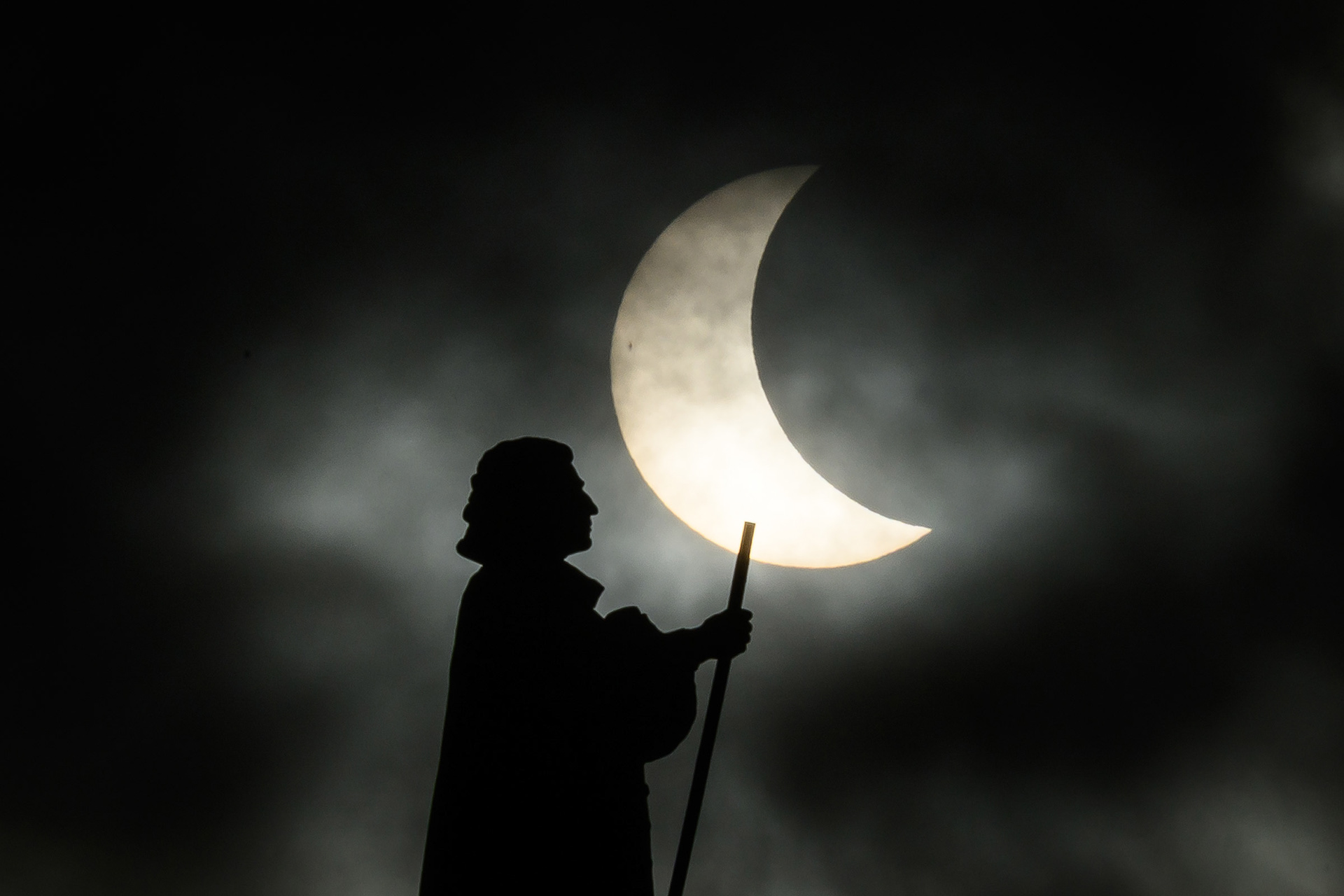
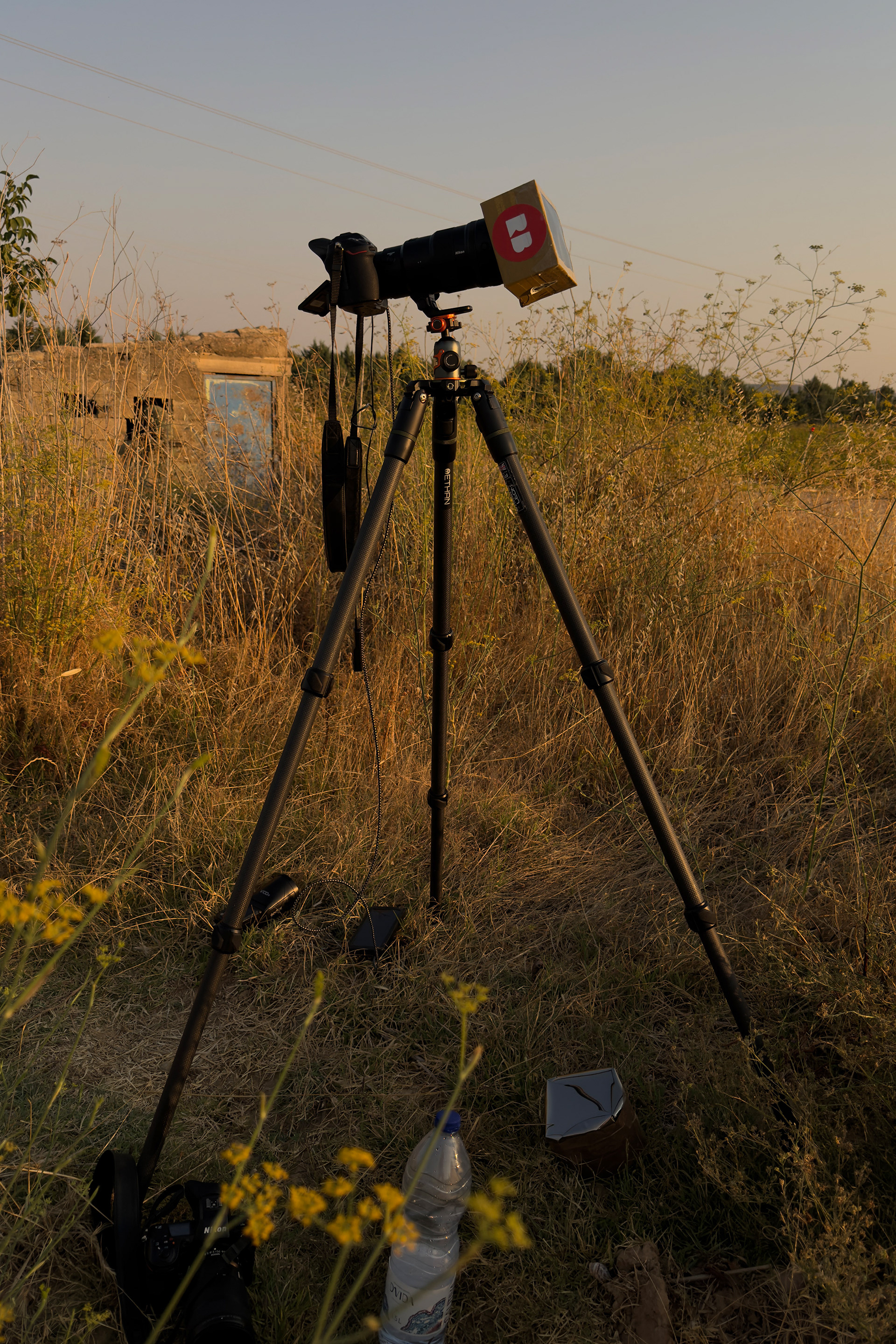
In Greenland, I had no chance to prepare so was incredibly lucky when thick cloud cover meant that I could shoot the eclipse with no solar filters in place. With extensive time to plan came not only more awareness of how lucky I was to get away with it in Nuuk, but also how much I had to learn. Incredible resources on information can be found online, not least in the mighty Reddit subcategory "r/solareclipse". With my craft skills warmed up, I managed to make a decent enough filter with a sheet of solar film and a cardboard box. Nikon branding isn't absolutely necessary but I think it helped.
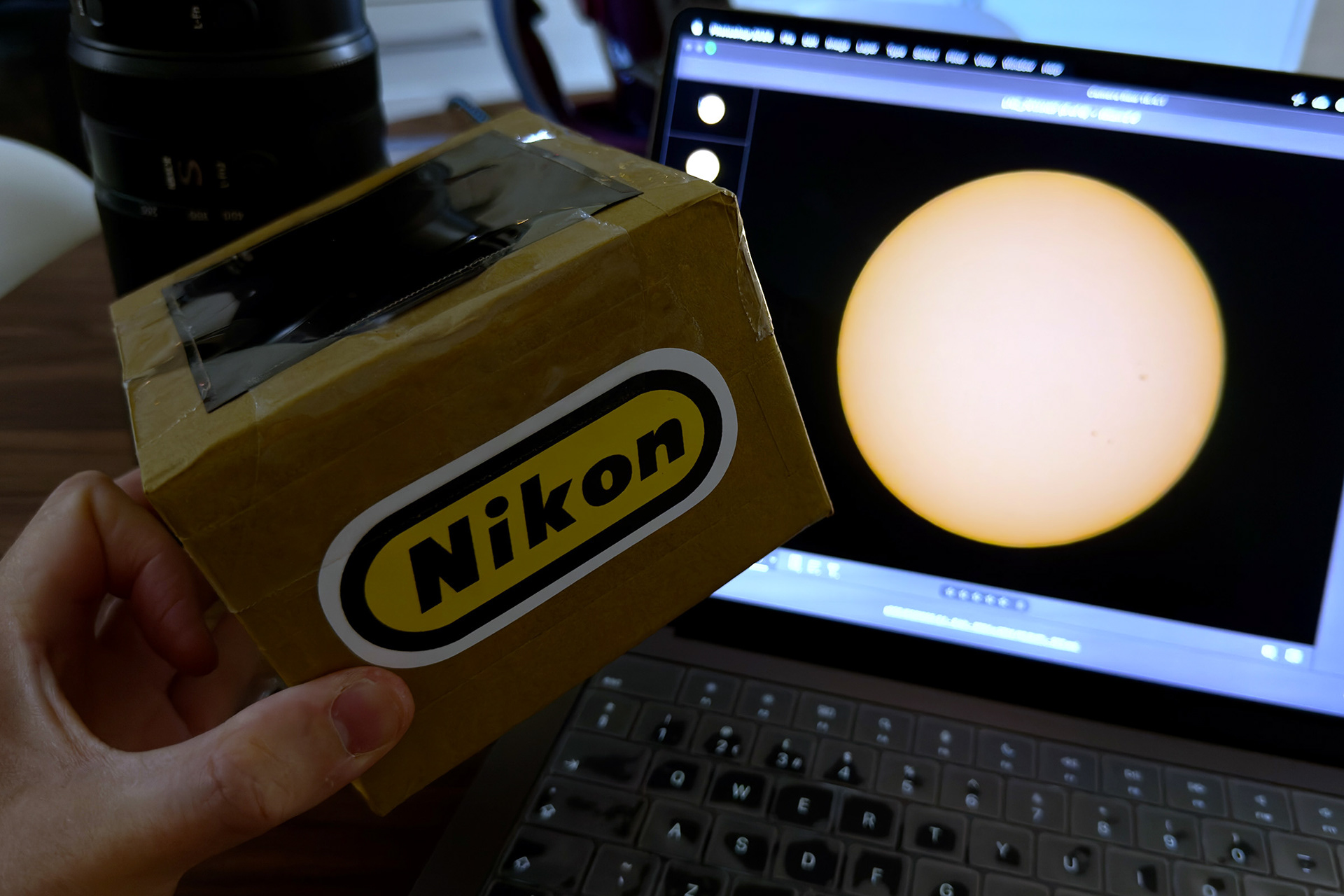
In my research, I found a statue in Palencia that ticked all the boxes; facing the right direction, in the zone of totality, low enough on the horizon to line up with the eclipse, making a recognisable silhouette. Perfect. Now as long as no-one decides to erect a massive crane right beside it a few weeks before the eclipse, this is going to be perfect...
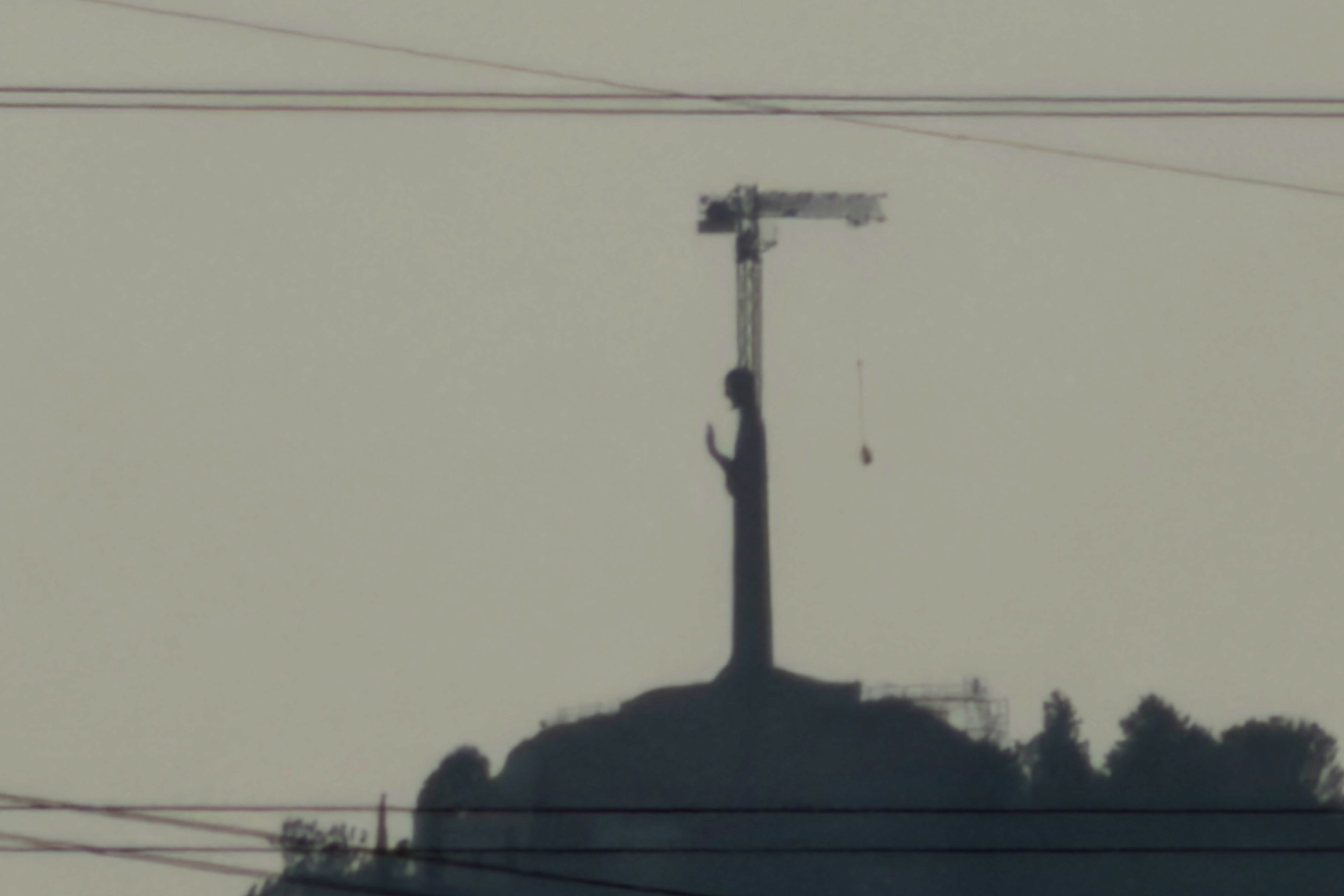
Right. Thanks guys. When I finally arrived at my planned coordinates, I looked through my lens and there it was; one enormous piece of construction equipment ruining the shot. I waited for sundown, just in case there was any way I could rescue the situation, but as the sun passed behind, it was clearly not going to happen.
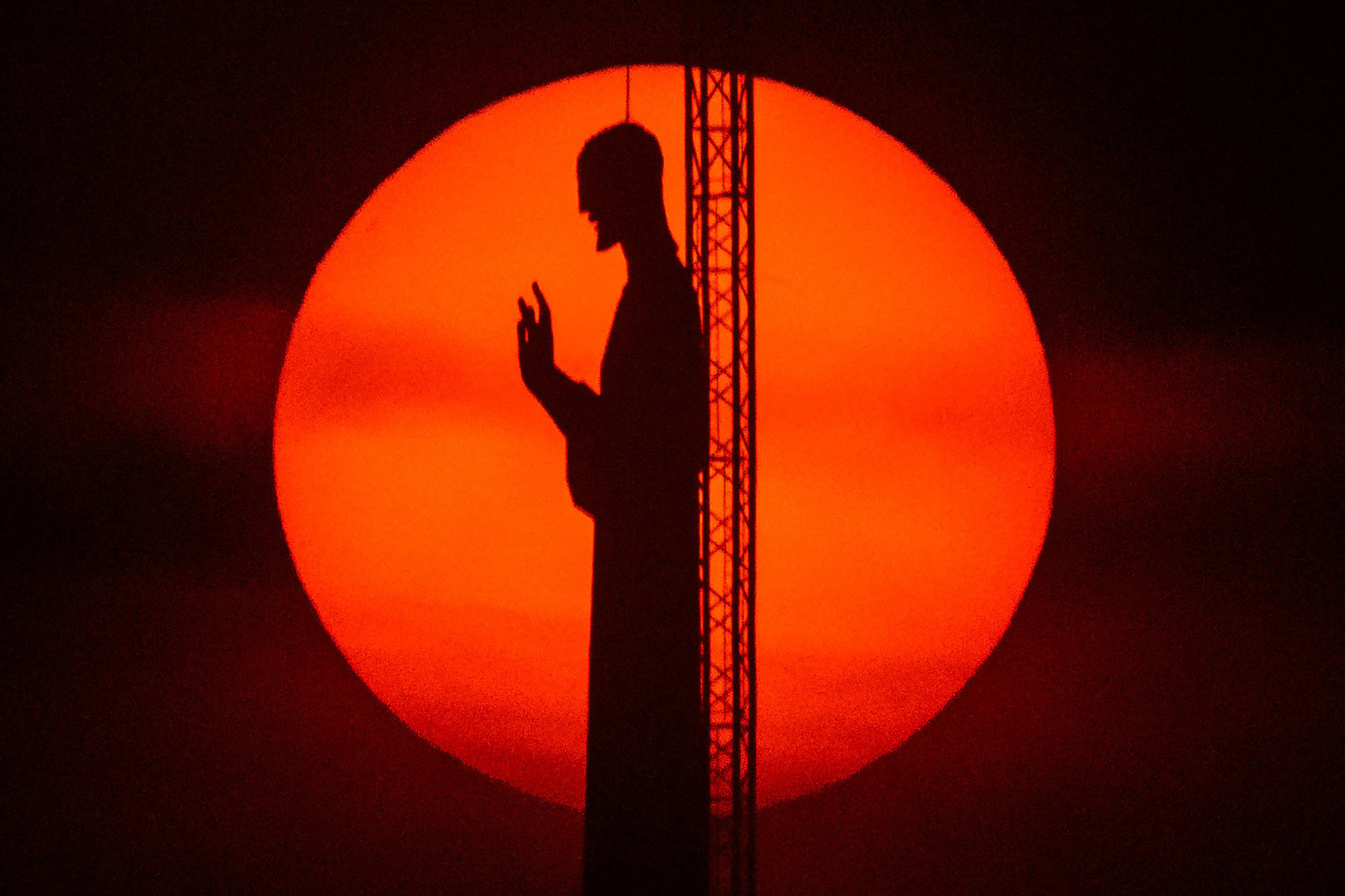
It was about this point that my wrist started buzzing. Onwards and upwards.

A decent night's sleep later and I woke with a new resolve to find a different location. Driving from Valladolid to Palencia, I spotted a blazing field of sunflowers and my new spot was decided.
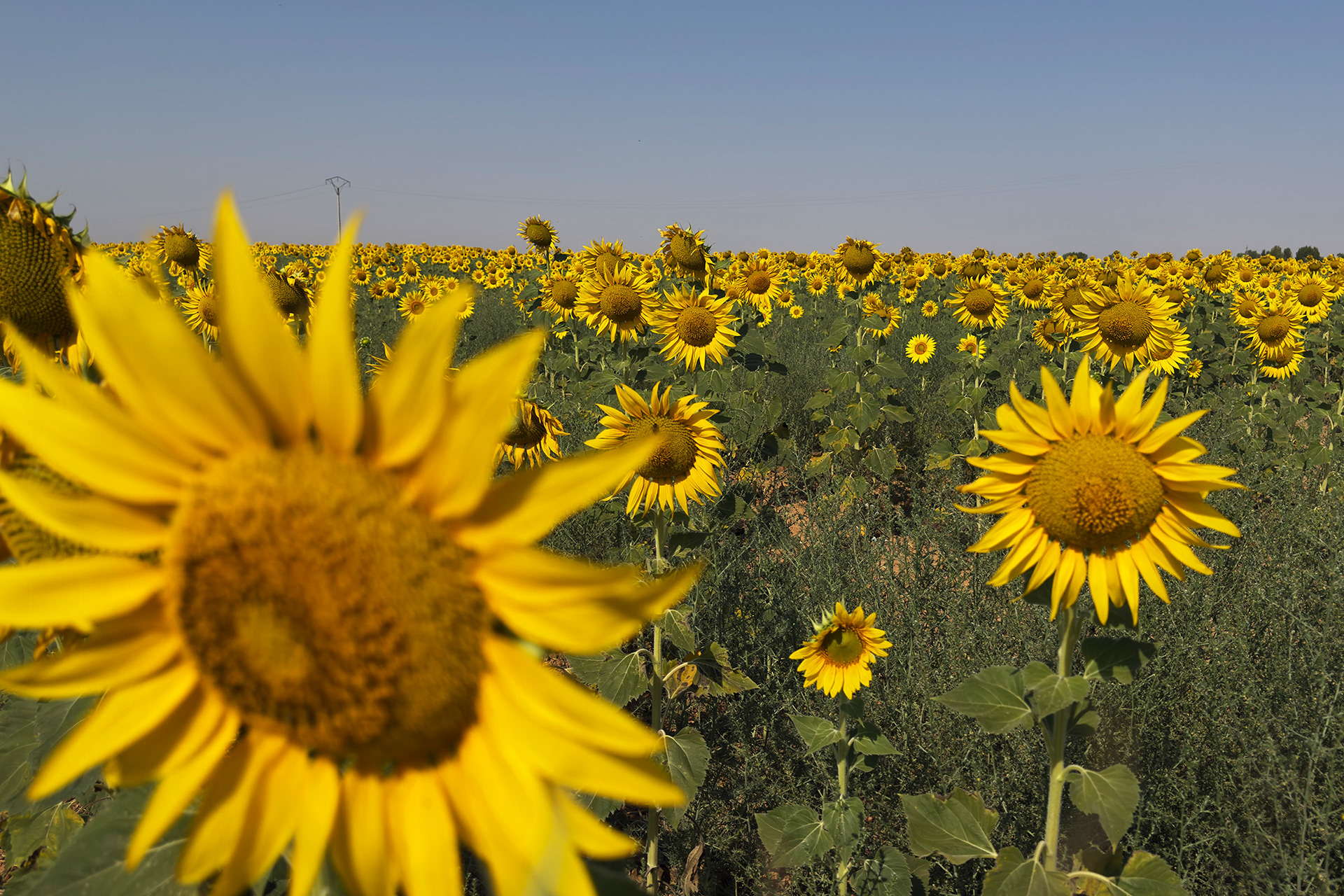
The big day arrived and my new plan was confirmed; concentrate on clean images of the eclipse and see if I can make anything of the flowers during the 90 seconds of totality.
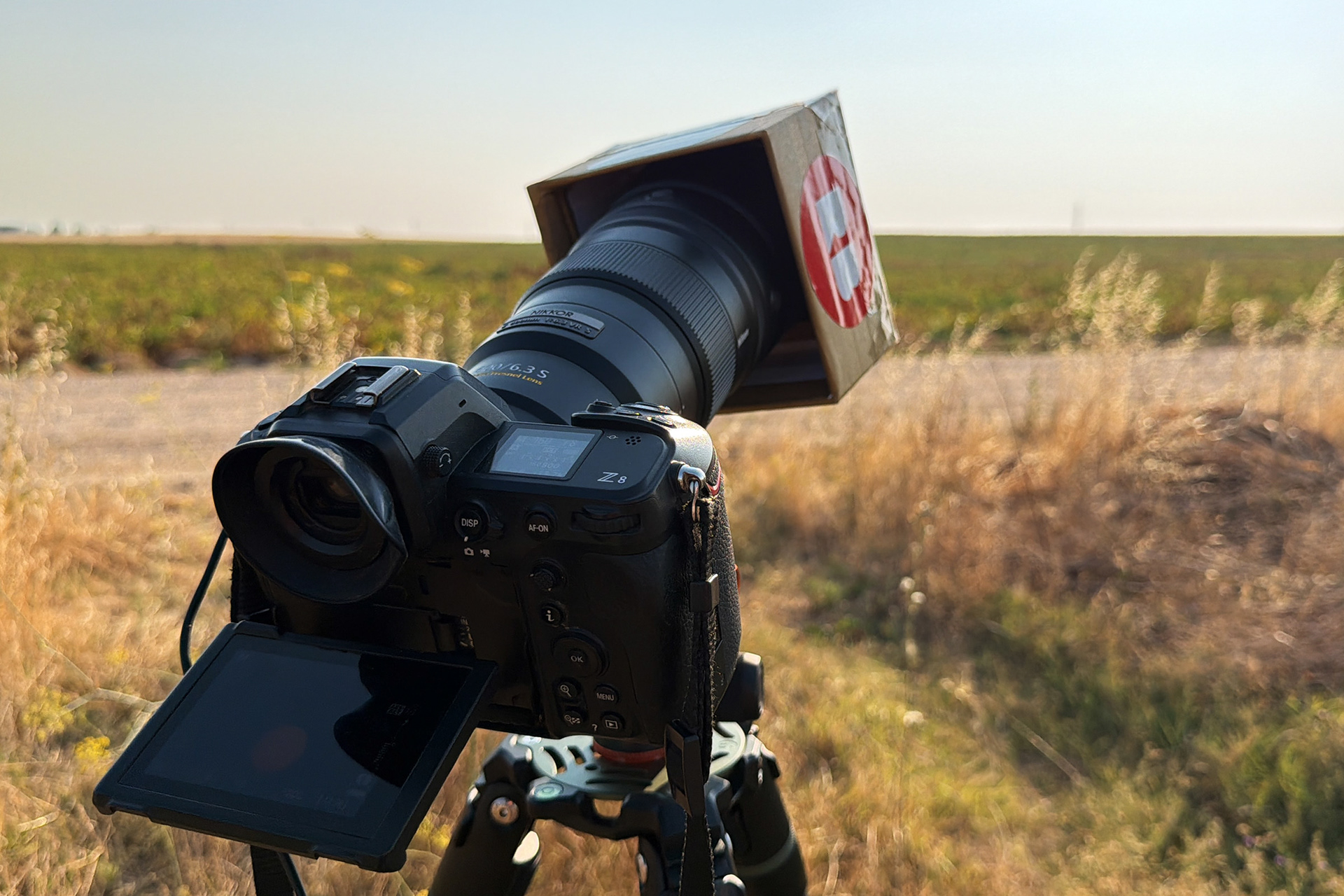
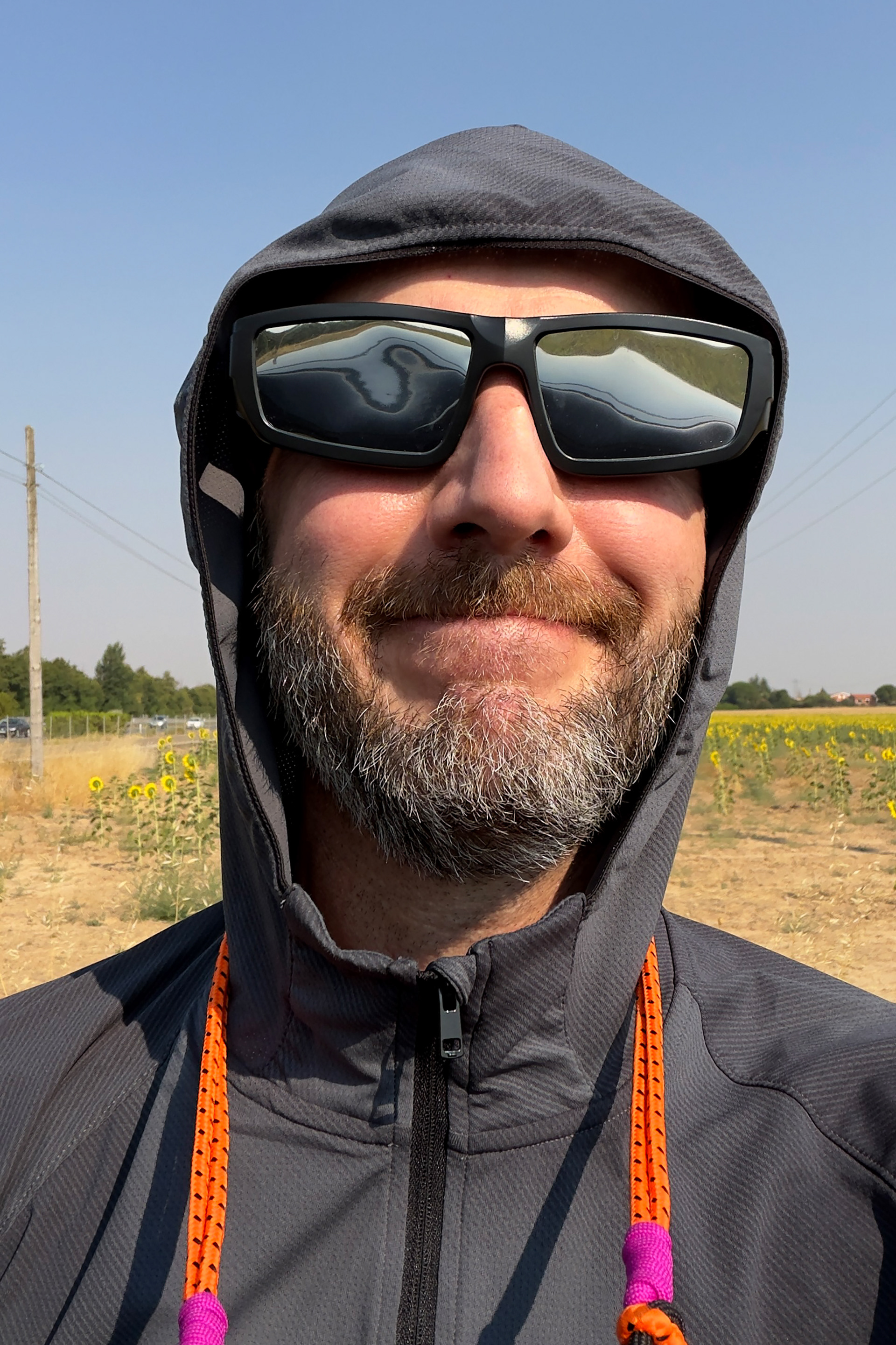
My kit for the day was two Nikon Z8 bodies, a Nikkor Z 100-400mm f/4.5-5.6 VR S, a Nikkor Z 24-70mm f/2.8 VR S II, a 3LeggedThing "Ethan" tripod, a JJC remote shutter release cable, solar eclipse glasses and the pre-mentioned homemade wunderfilter.
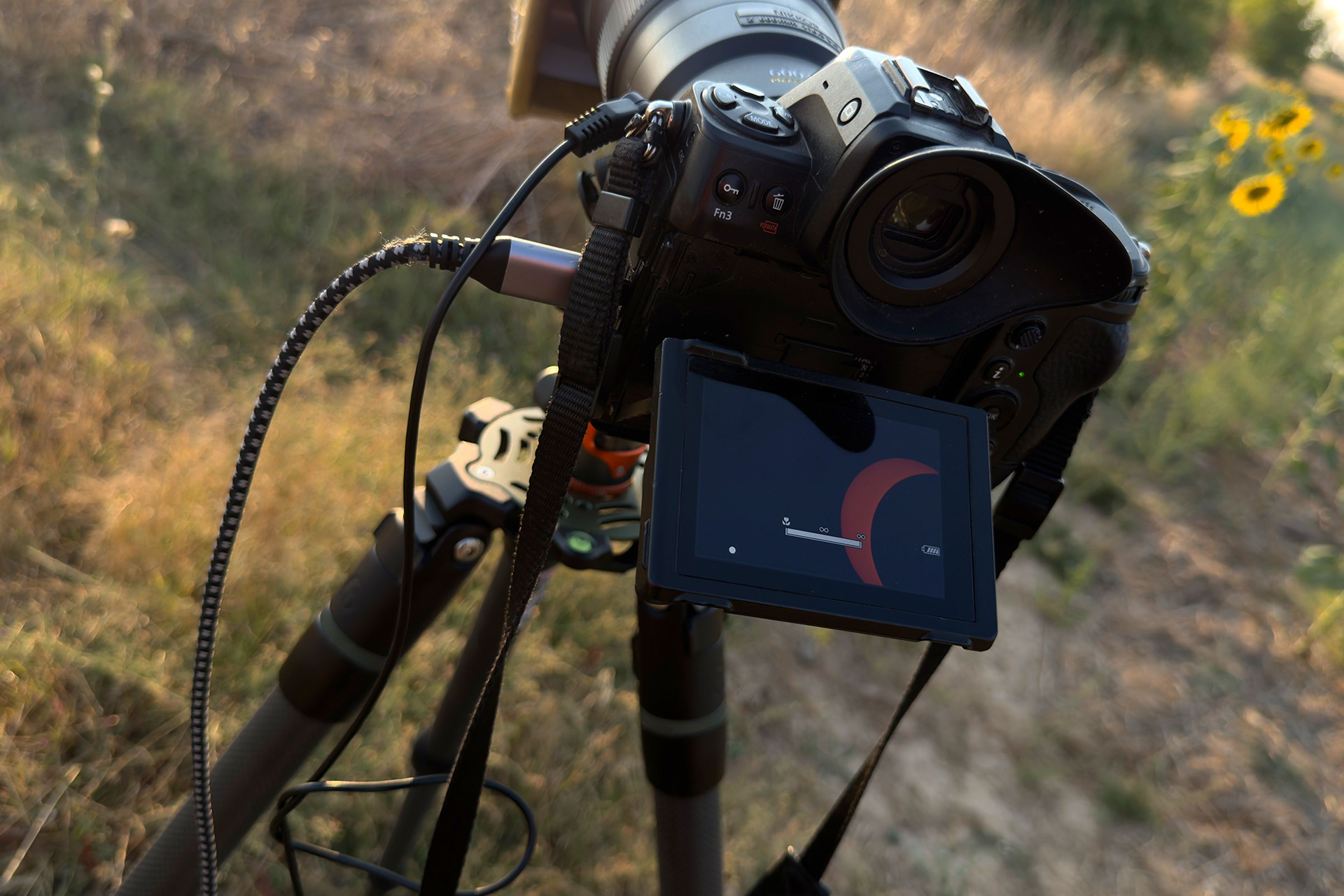
Will all of that in place, it was time for the sun to go into hiding.
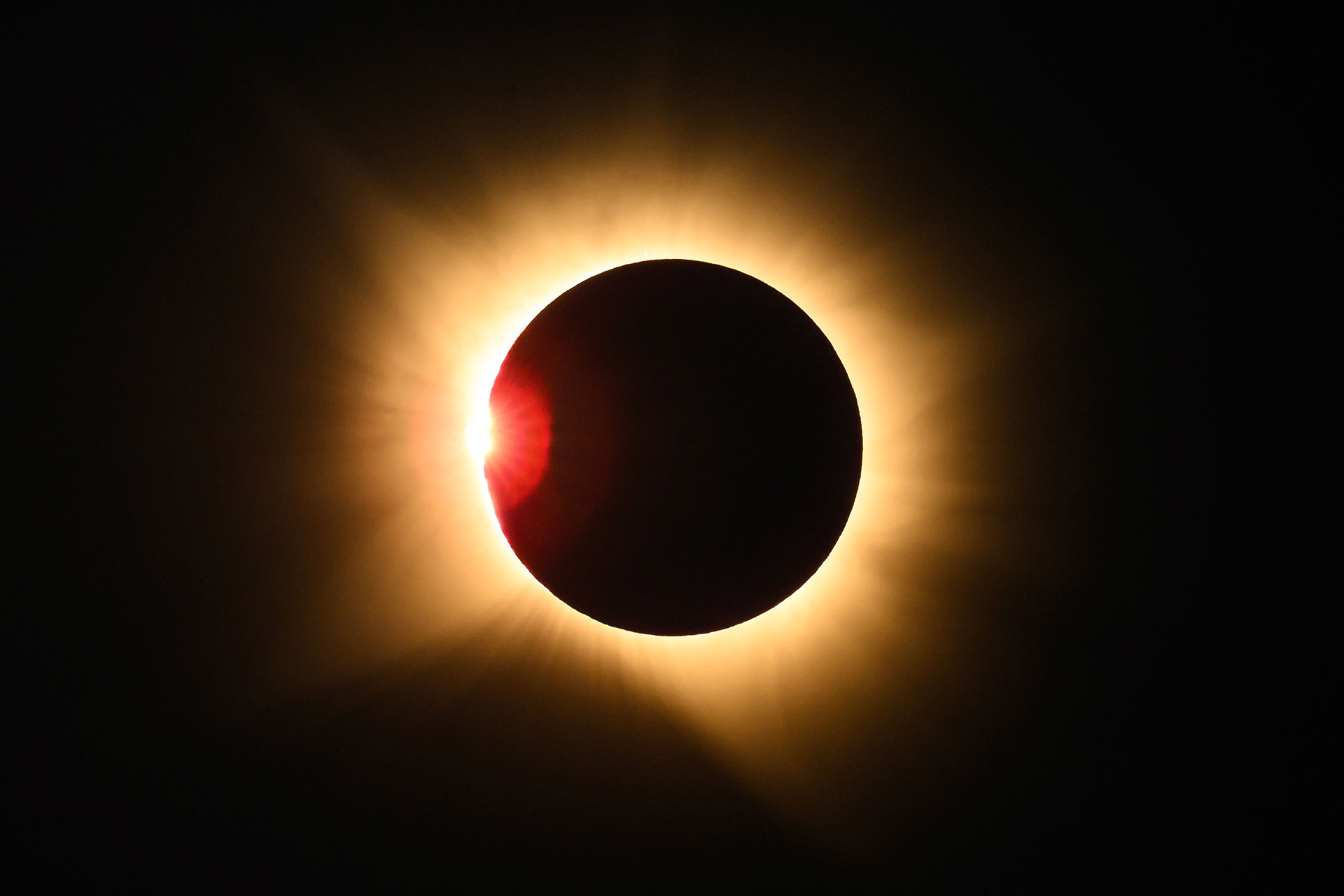
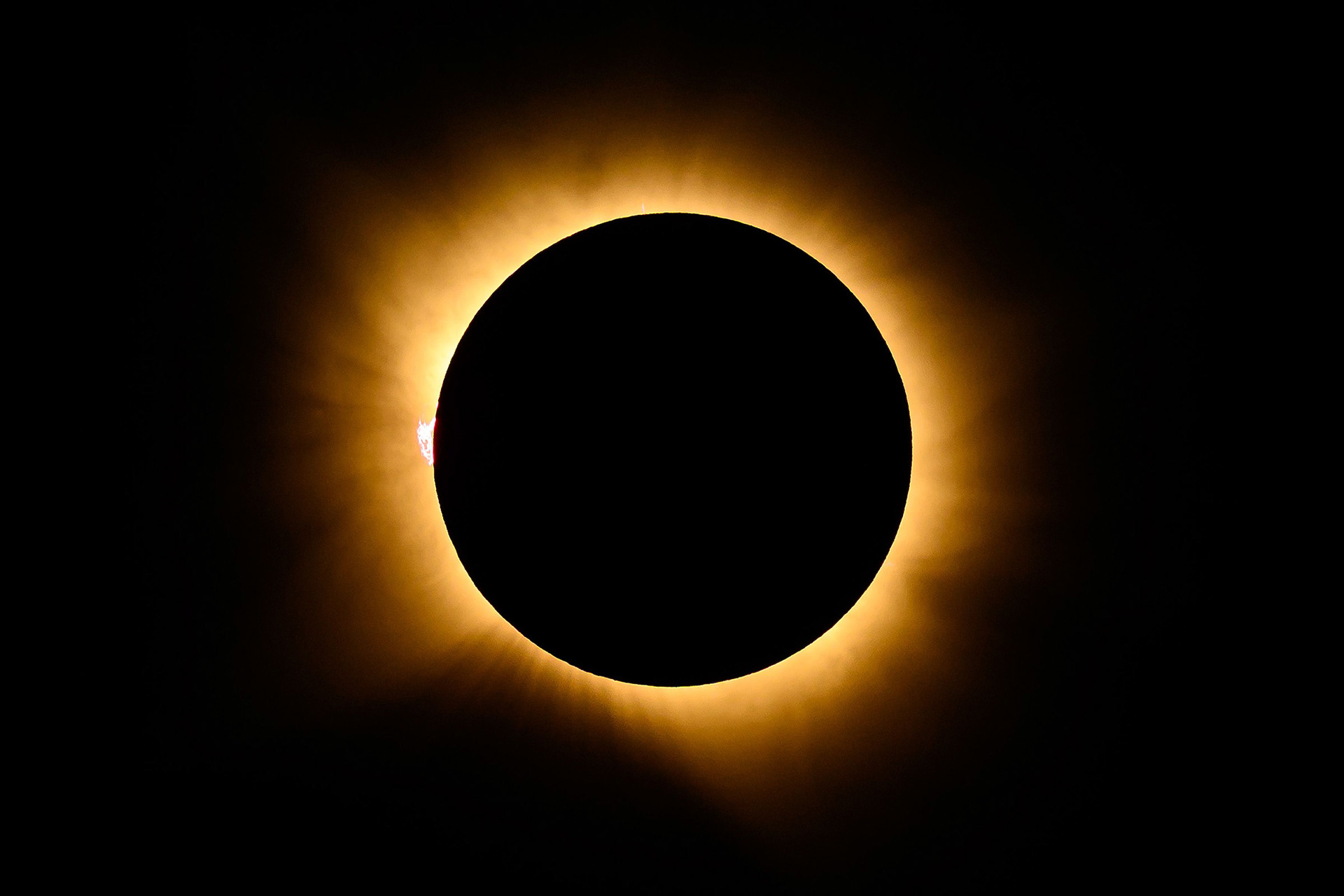
Leading up to this assignment, I really didn't appreciate how powerful a total eclipse would be over the partial eclipse I'd previously seen. It's a hugely emotive moment with all of the things that people said would happen taking place; the sky darkens, the temperature drops, the birds and insects become silent. It manages to be both emotional and unsettling at the same time. It comes as no surprise that these solar events would lead people to think the world was ending in earlier centuries.
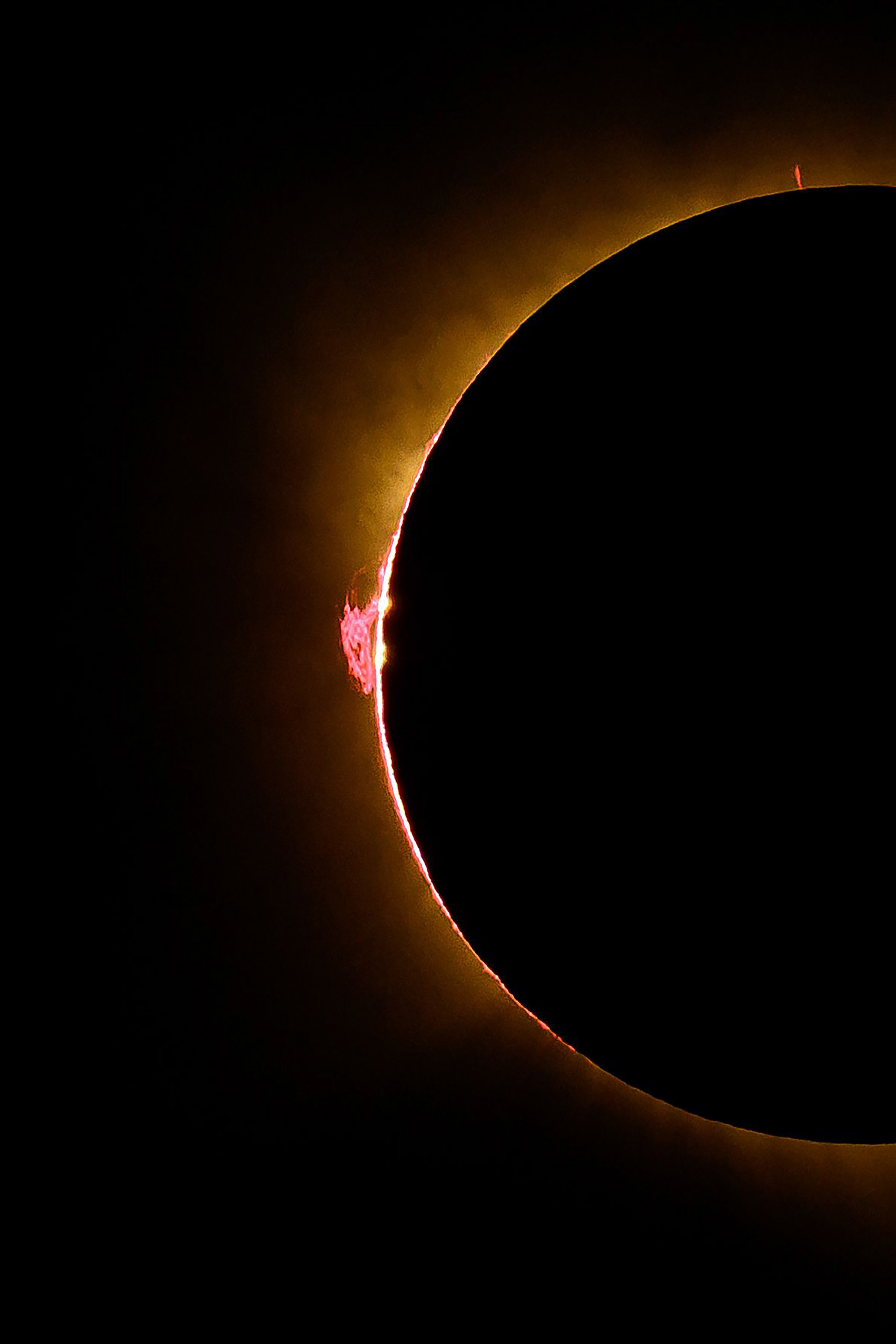
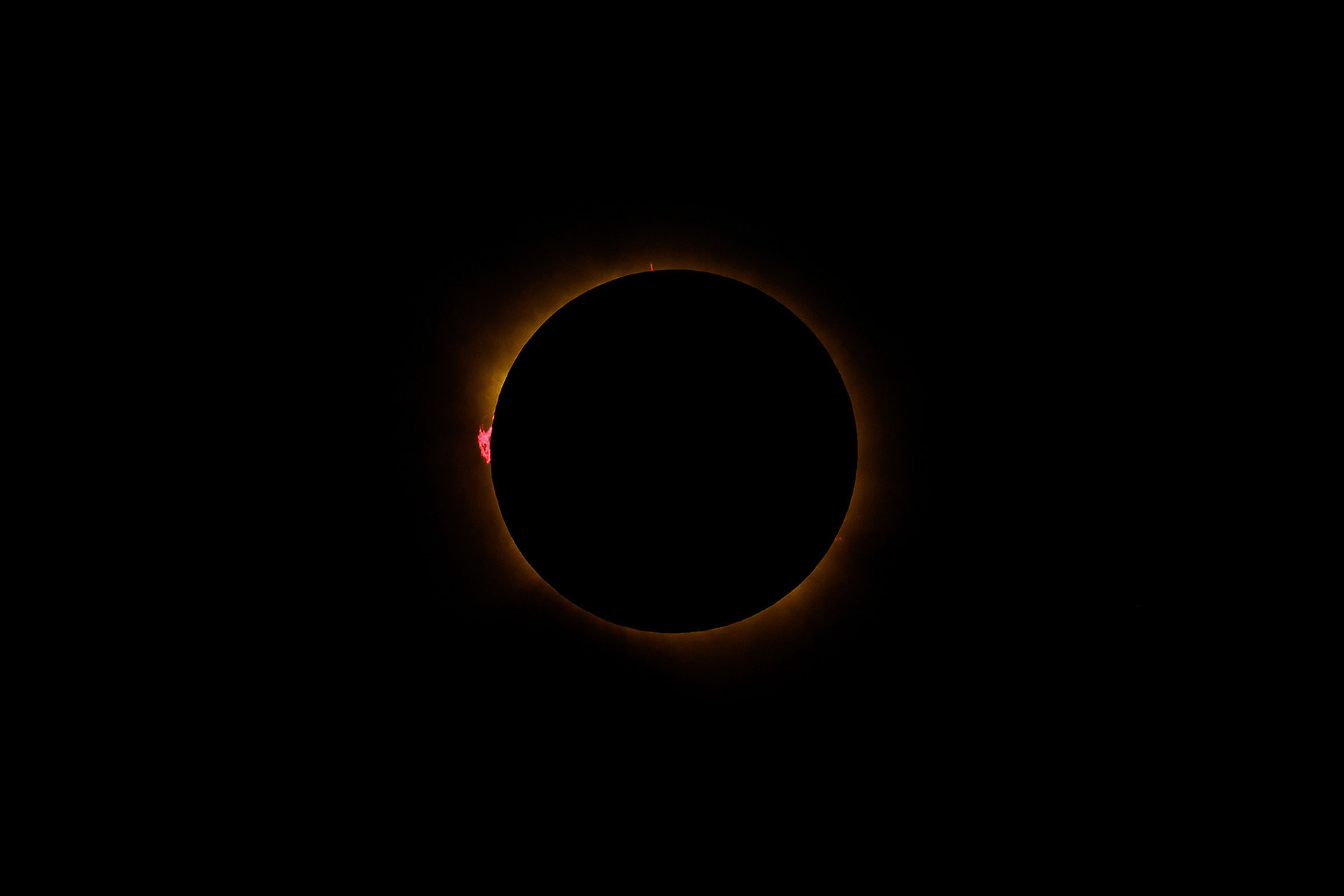
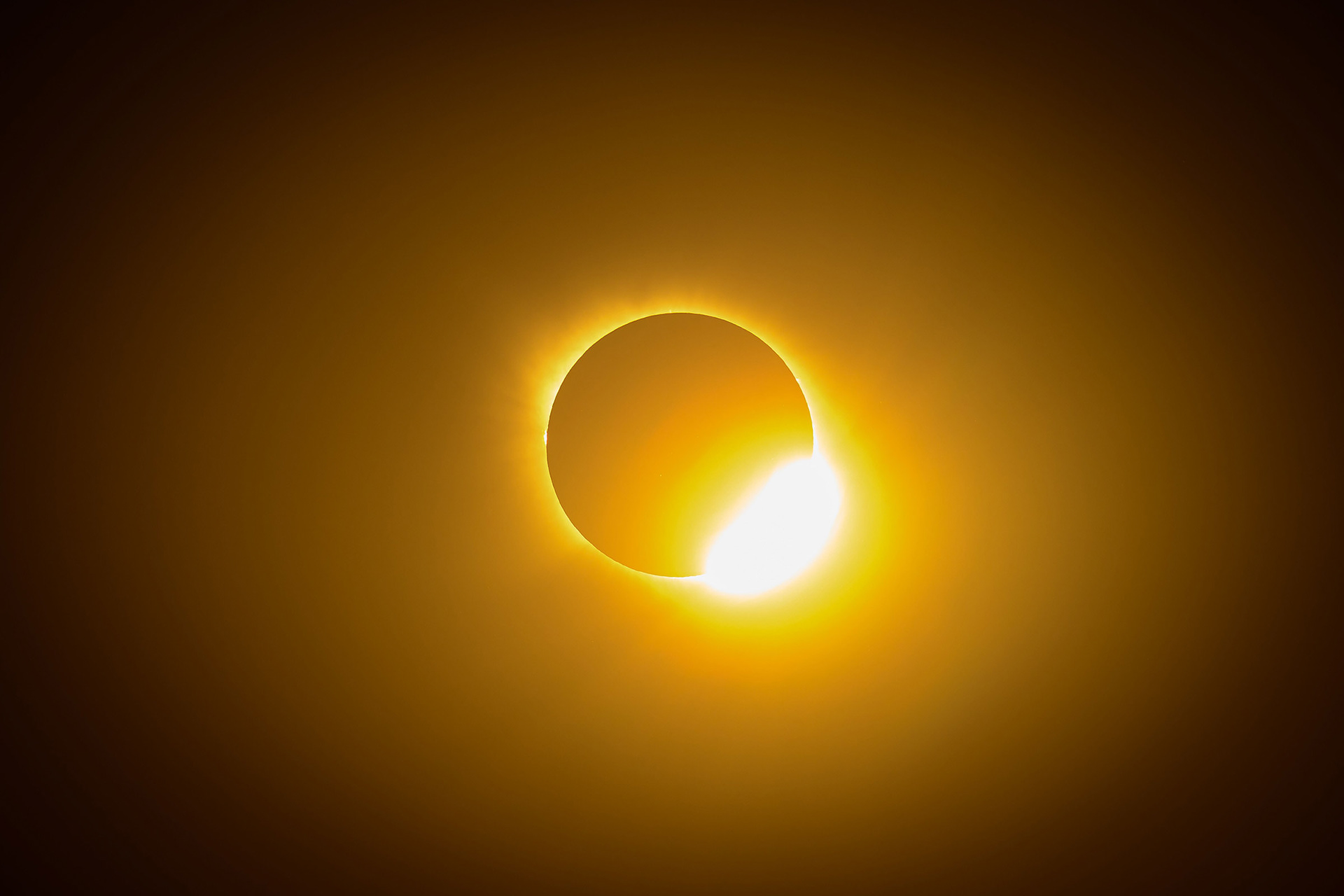
During the 90 seconds of totality, it was so hard to pull myself away to try something different but I ran into the nearby field and fired a few frames before dashing back to the tripod for the first glimpse of the "diamond ring".
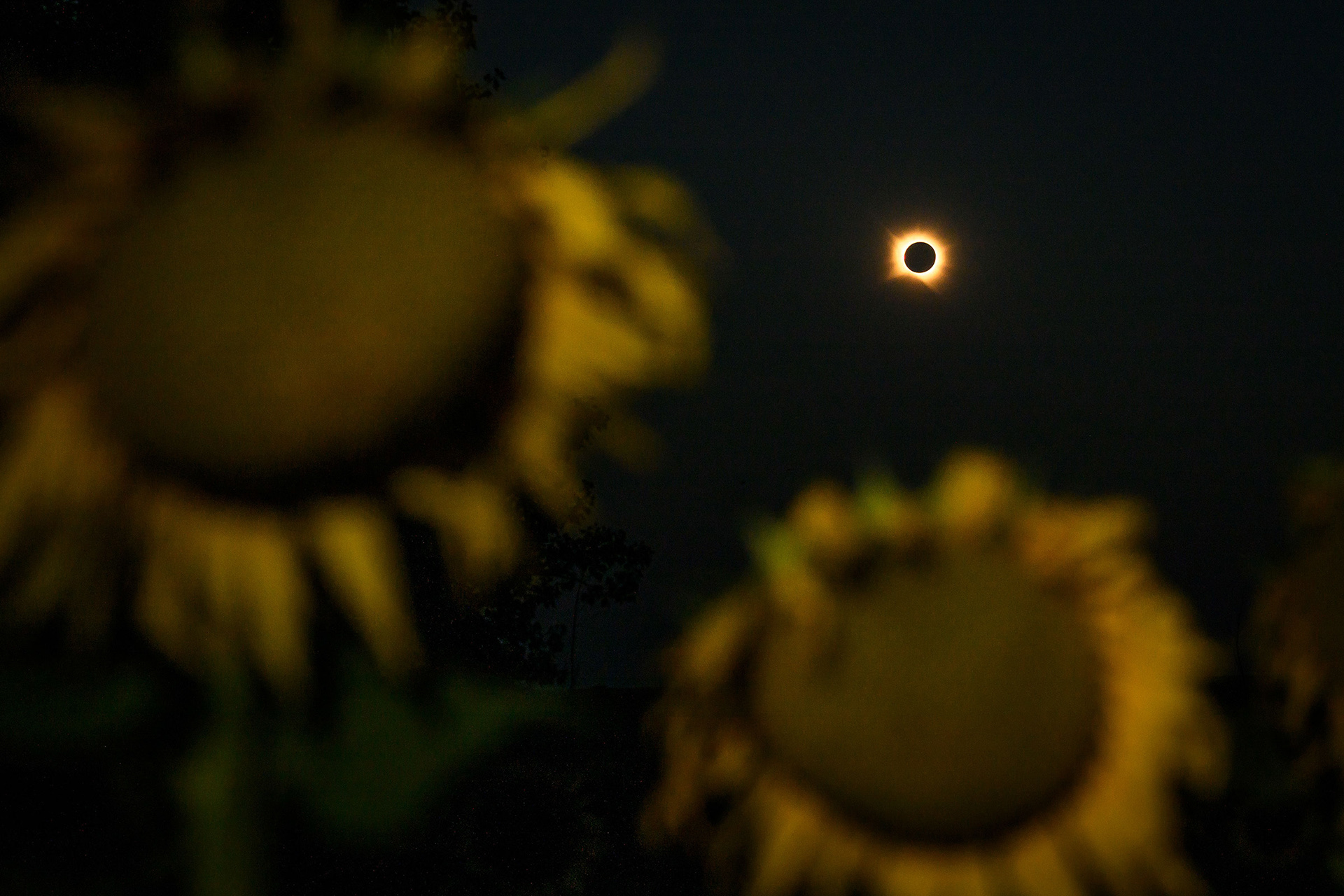
As the sun reappeared from behind the moon, the elation hit me and I found myself jumping around the field, laughing and grinning like an absolute maniac. Success.
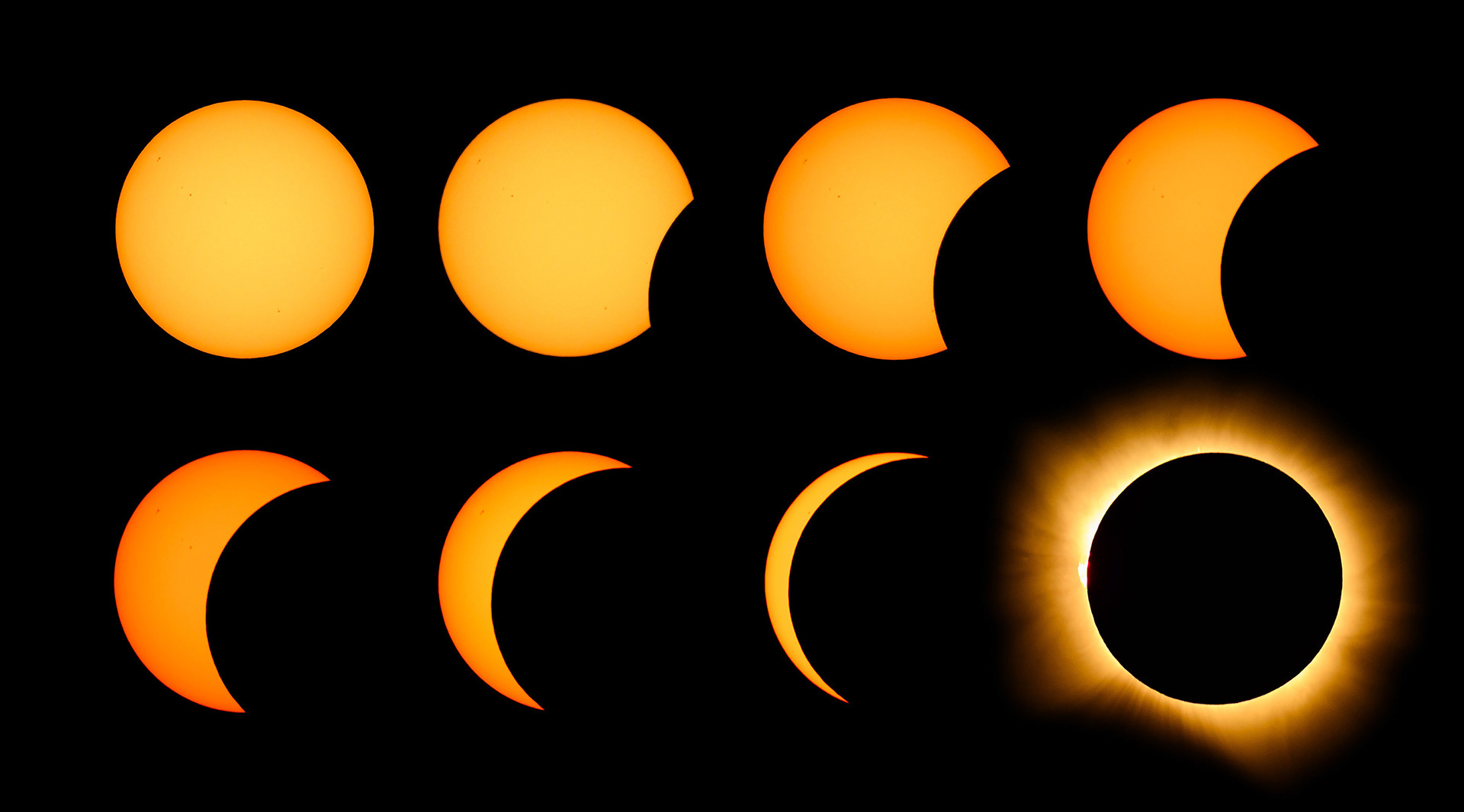
With the images secured, it was then down to putting together a composite of the moments leading up to and including totality. The weird thing here was that despite using editing software every working day for the last 25 years, this kind of manipulation is so far out of my routine that I had to really experiment and play around to work out how to do it. Thankfully, I think the effort paid off.
With the assignment over, I can totally understand the obsession that some people develop with these moments. The six minutes of totality in Egypt in 2027 is going to be immense. If you've ever been tempted to travel to see one, start making plans.