As America heads towards the Midterm elections, I travelled over to Des Moines to sample the sights and sounds of the Iowa State Fair. One of the oldest and largest agricultural expos in the country, it not only attracts livestock but also the odd politico.
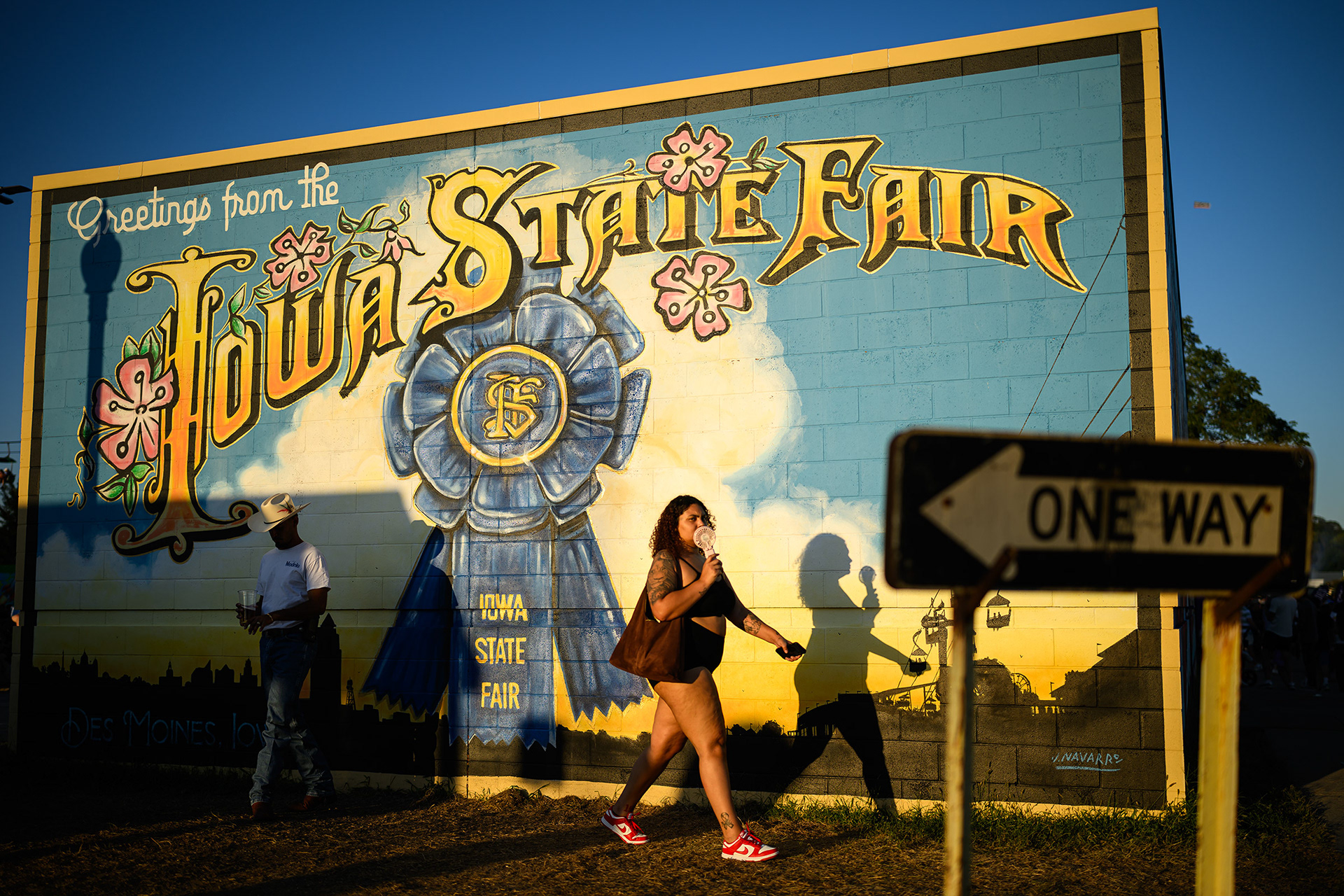
Before anything else, I have to say that working in the US is always a dream. At no point did anyone ask why I was taking pictures and often went to the other extreme, asking me to take their photo while I was in the process of trying to be invisible. A far cry from the UK’s outlook on photographers. Anyway, on with the show.
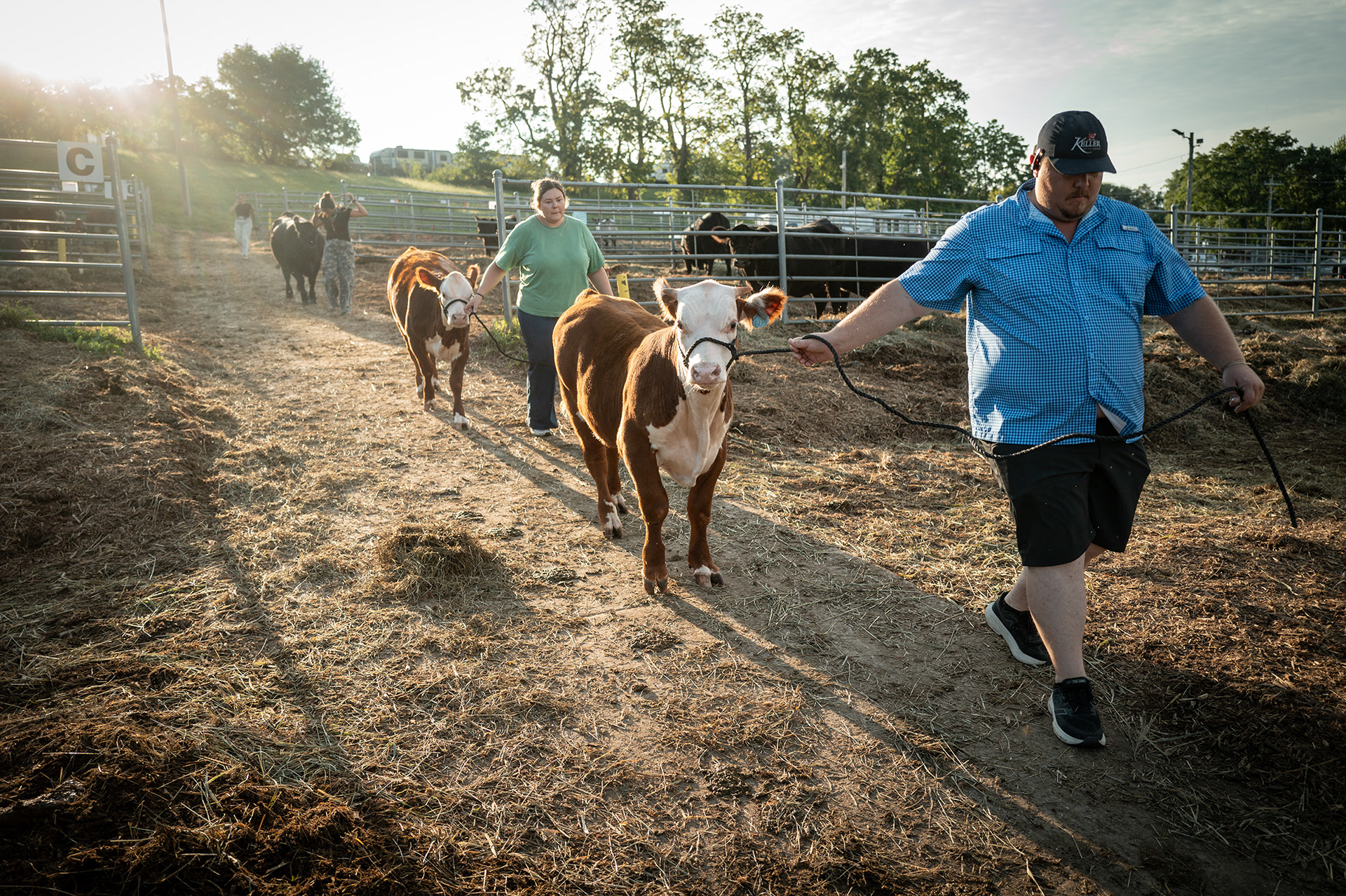
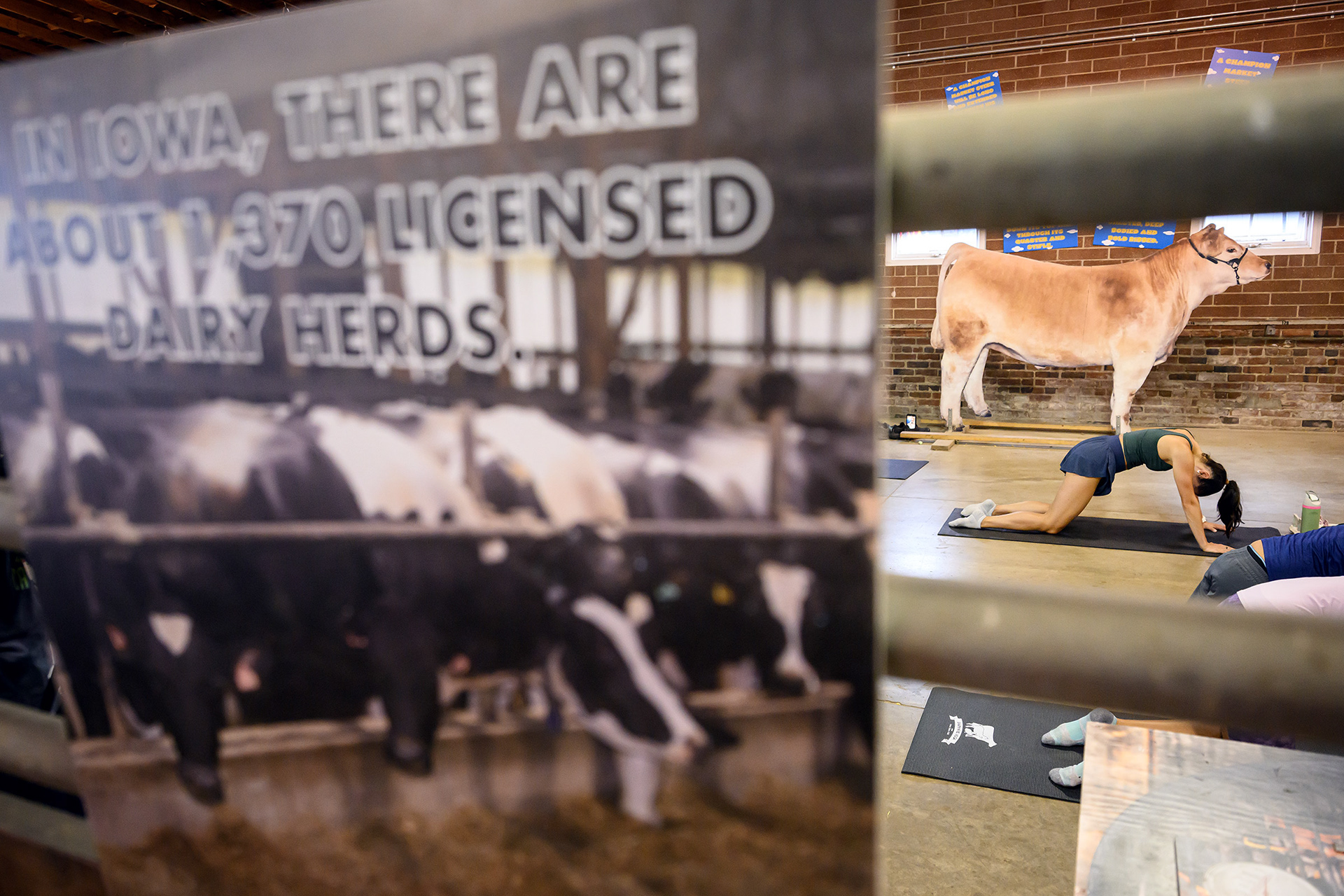
The fair started bright and early each day with the lowing of the cattle, bleating of the sheep and goats, the squealing of pigs and, on some days, the grunting of the yoga participants in the cowshed.
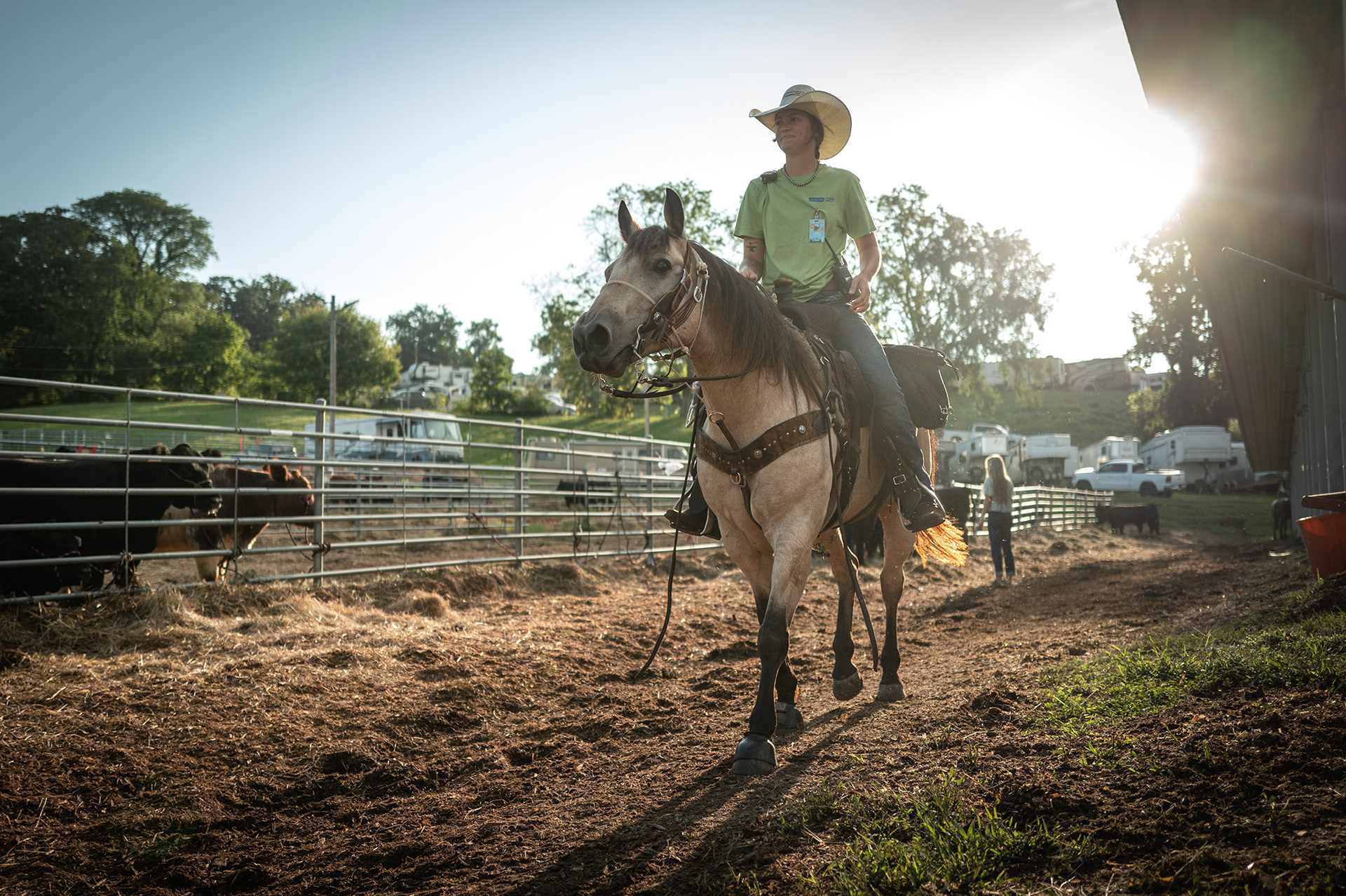
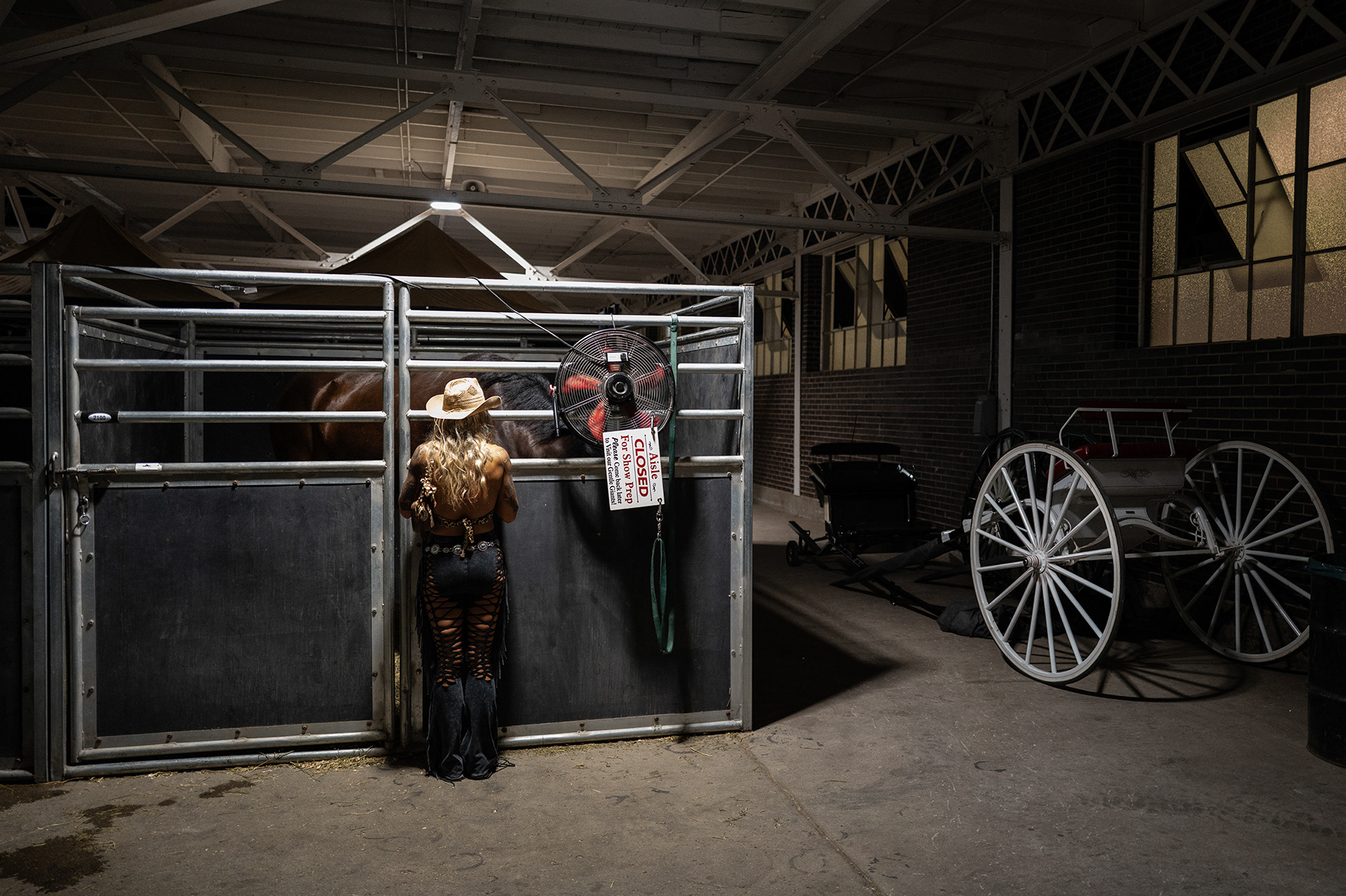
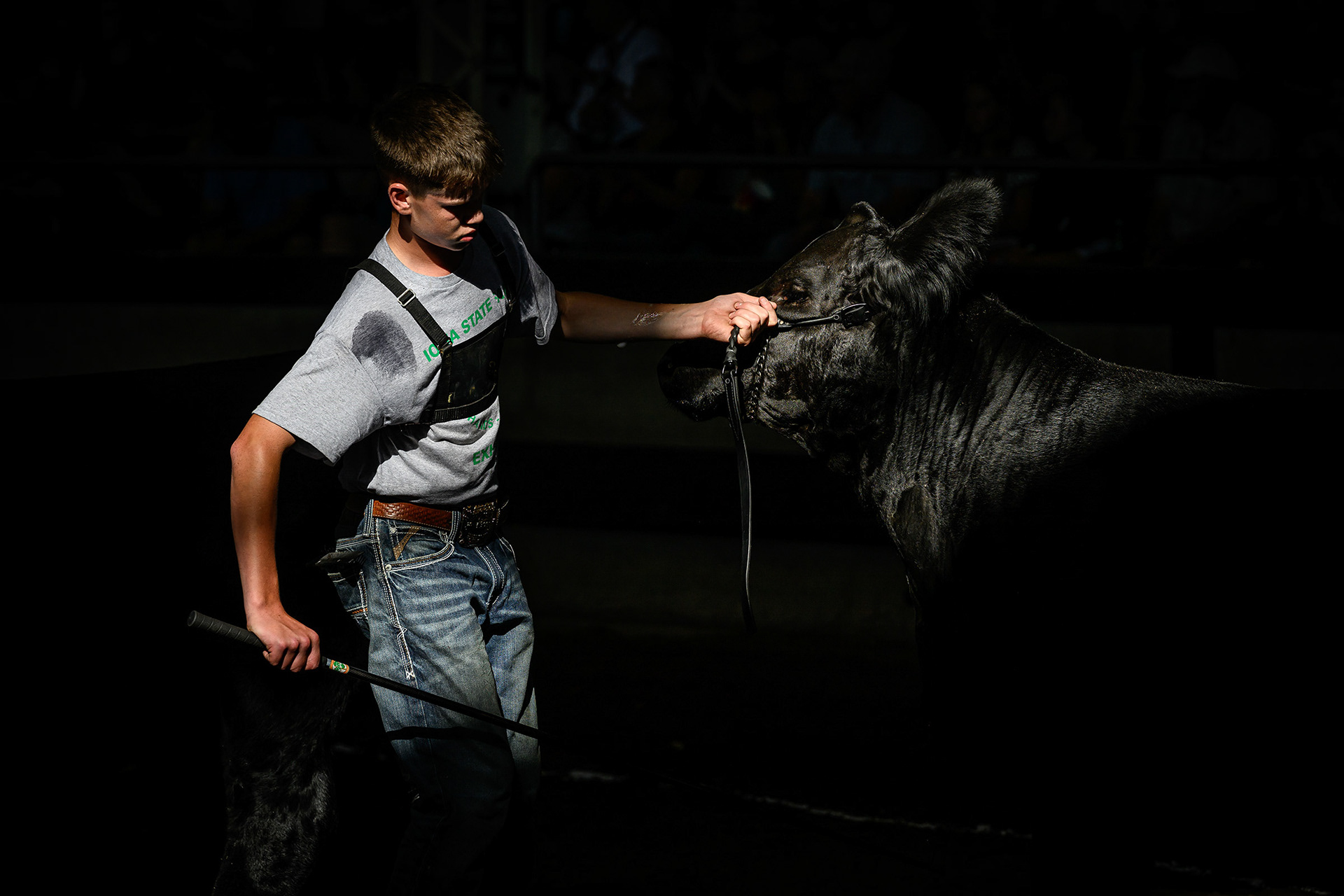
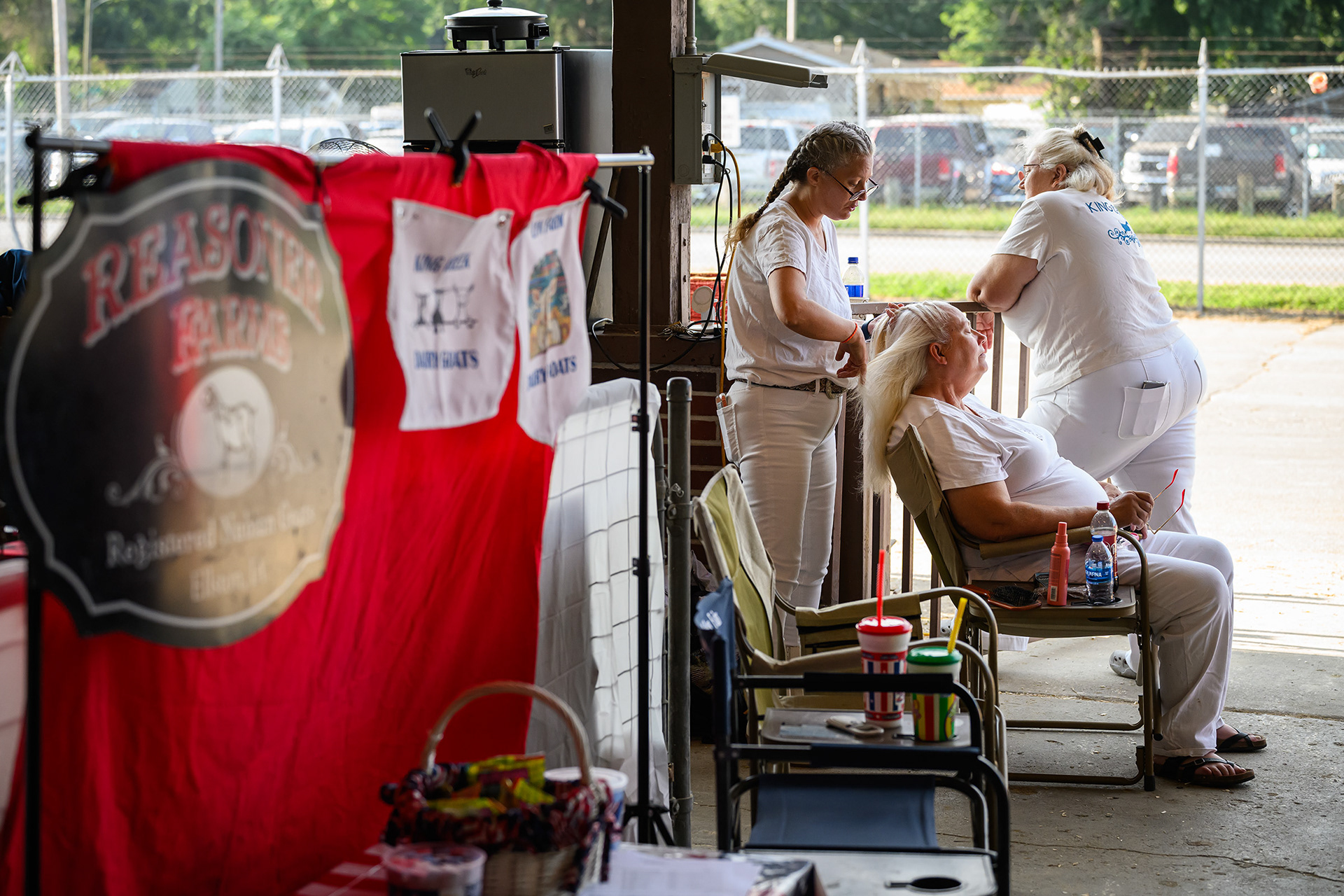
A huge part of the Iowa State Fair is the competitive element of showing your animals. The attention to detail put into the preparation is astounding, with bubble baths, protective neoprene jazzercise-style suits, industrial-sized hair dryers, hairspray and finally detailed trimming for the key body parts.
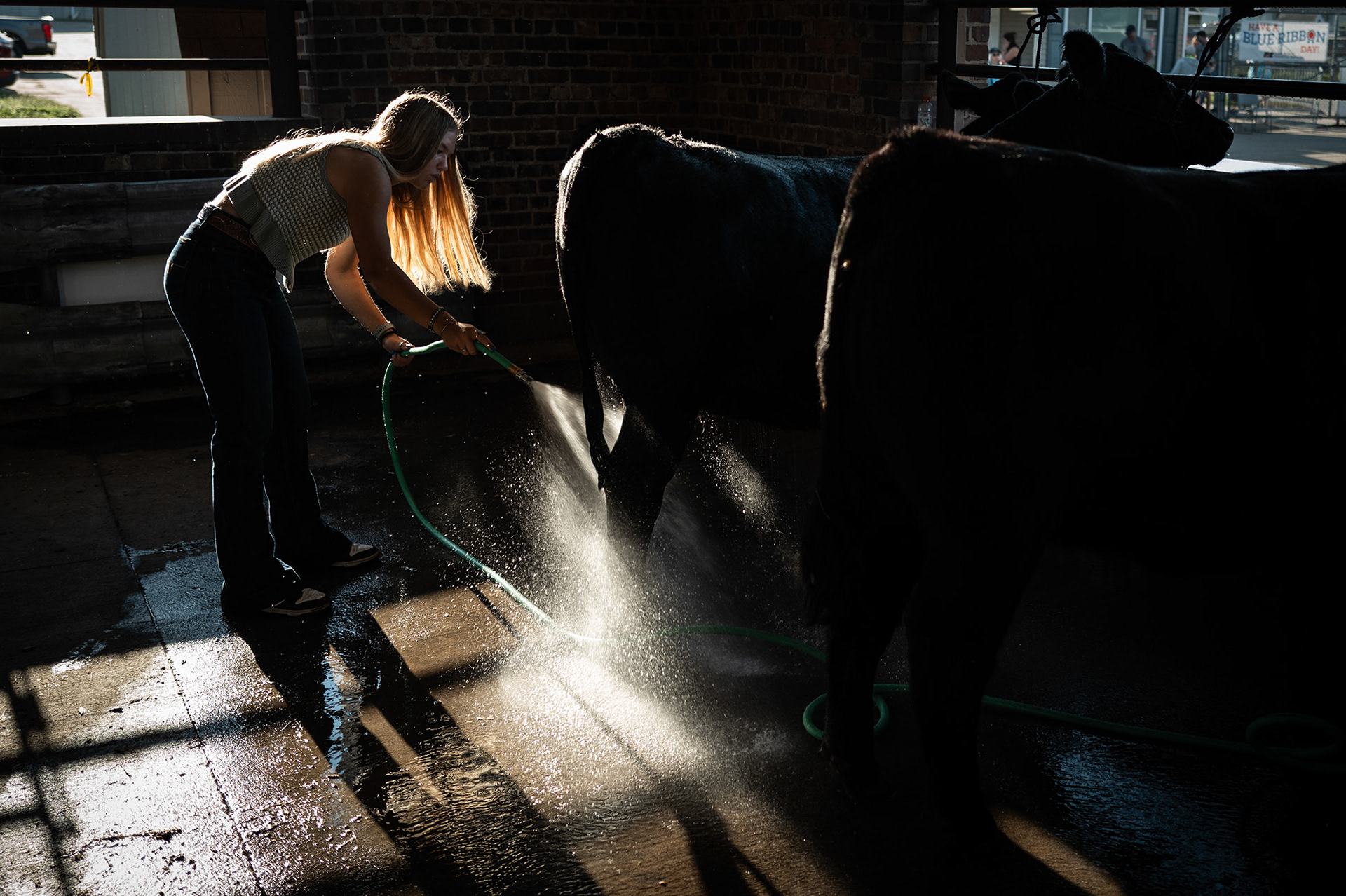
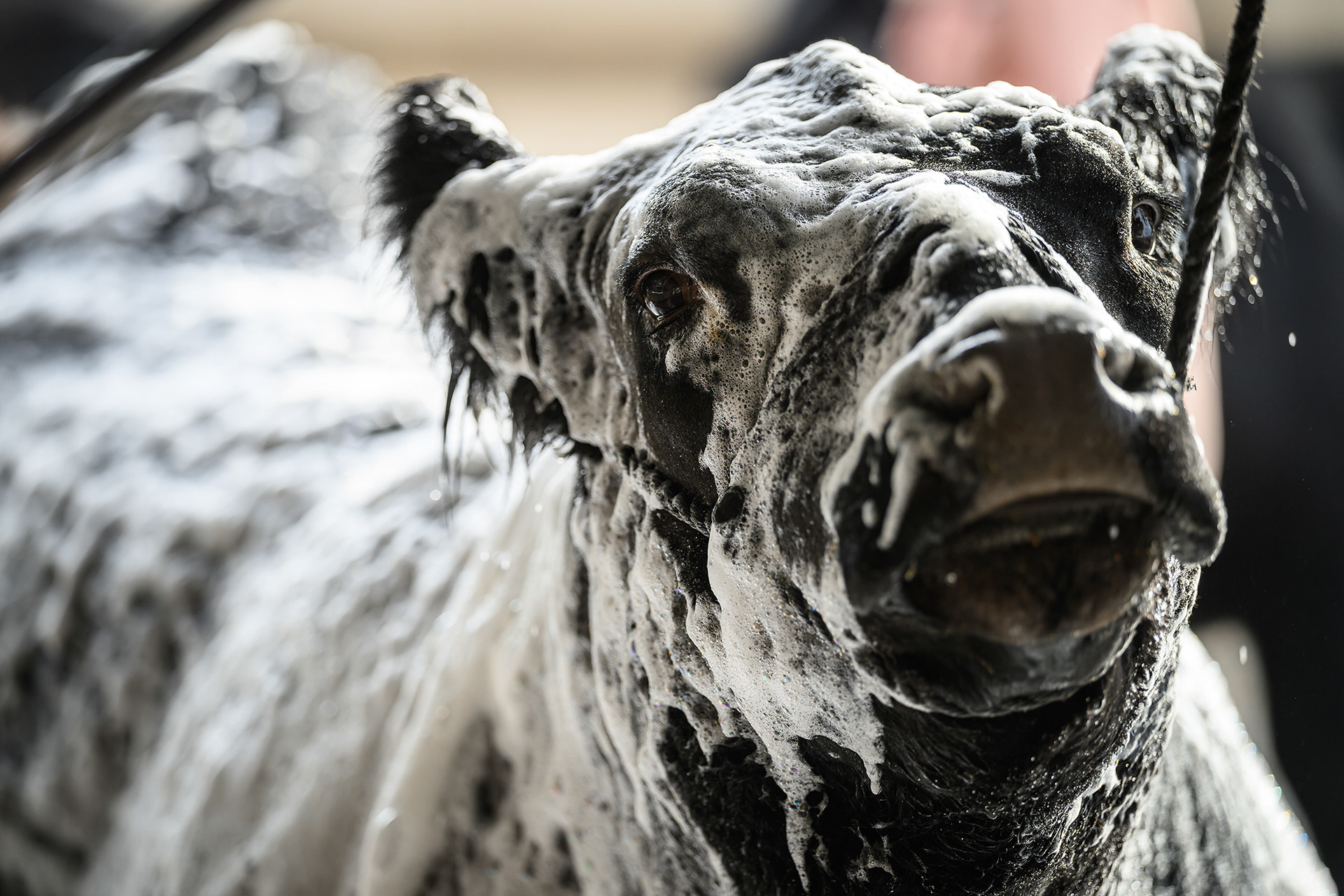
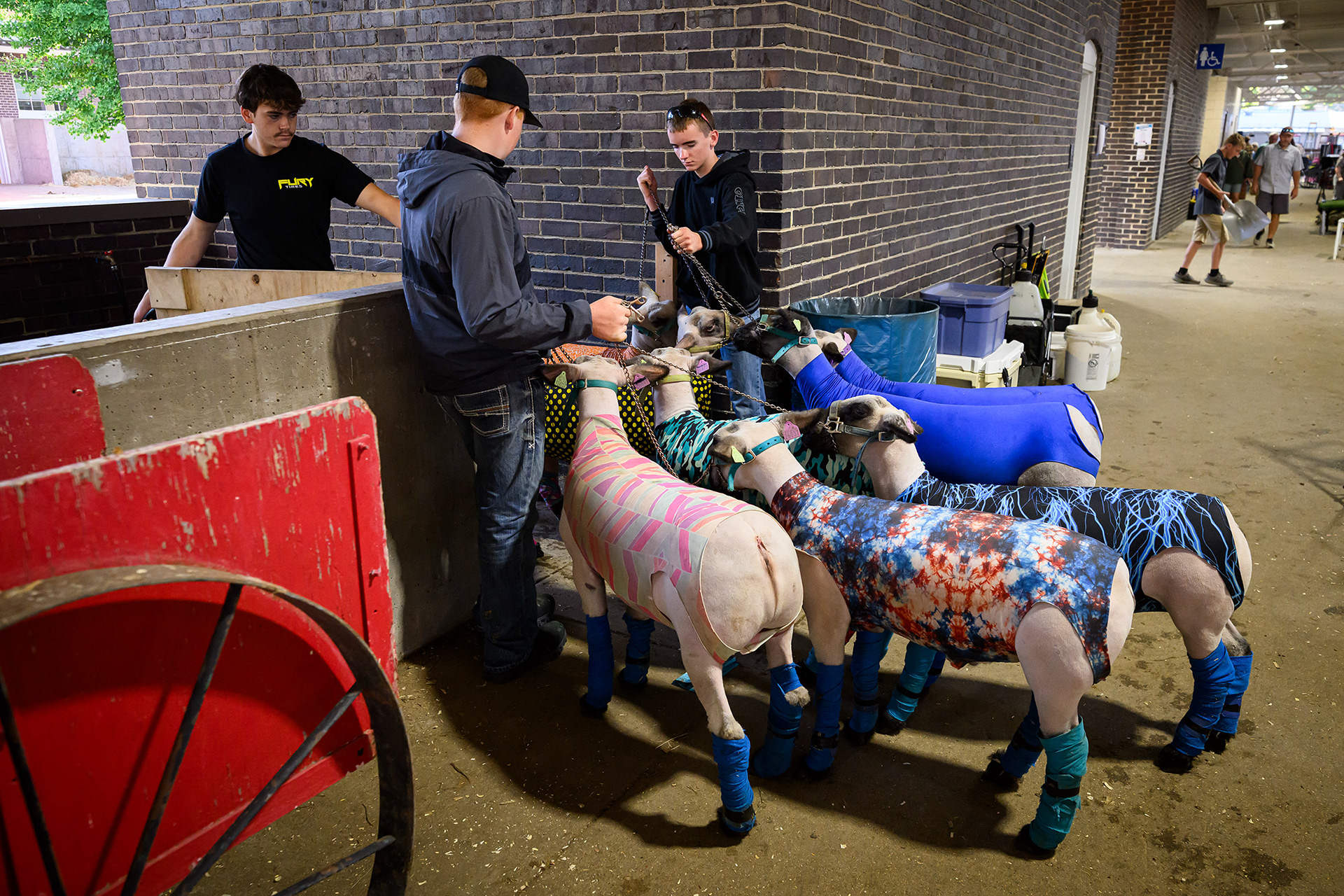
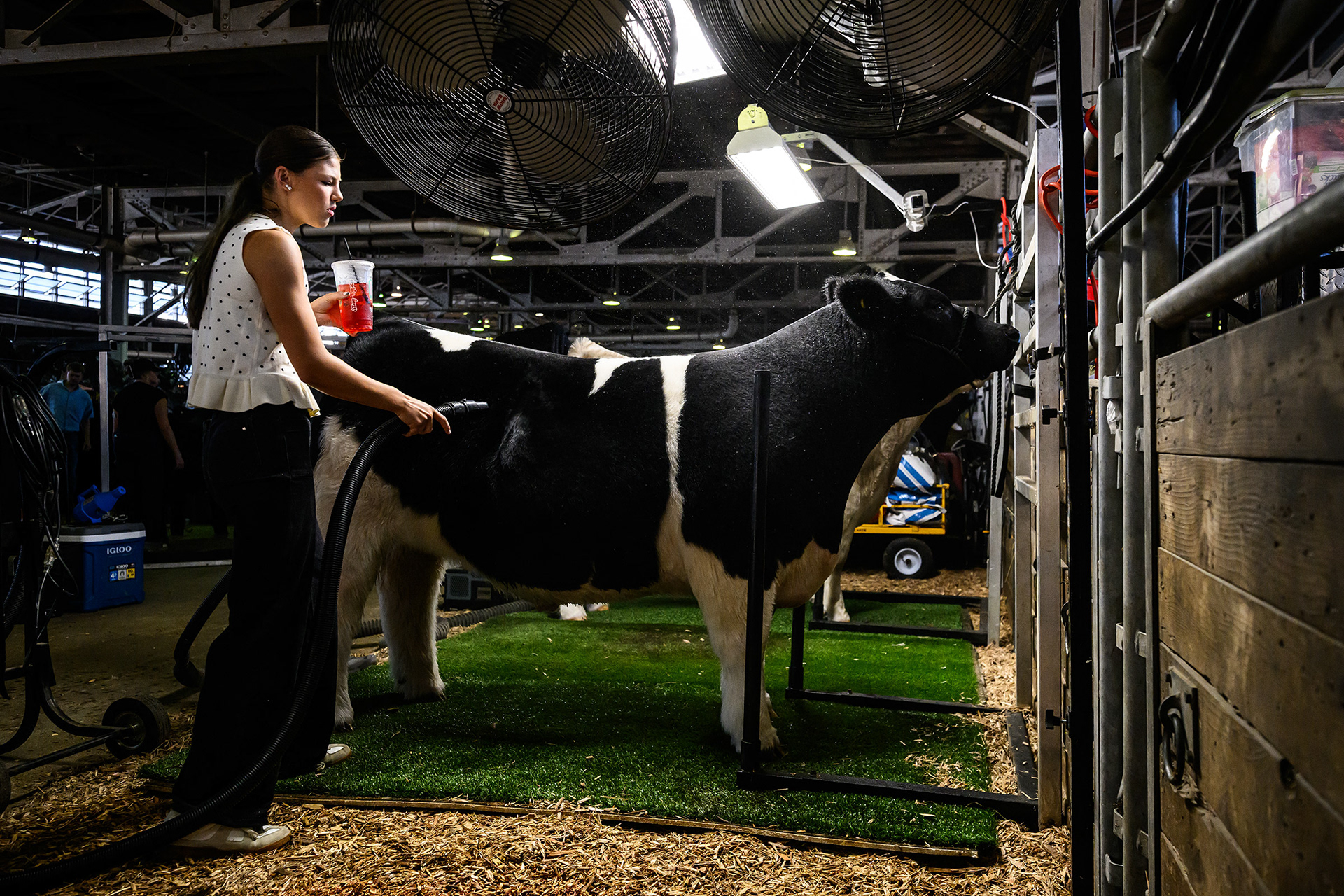
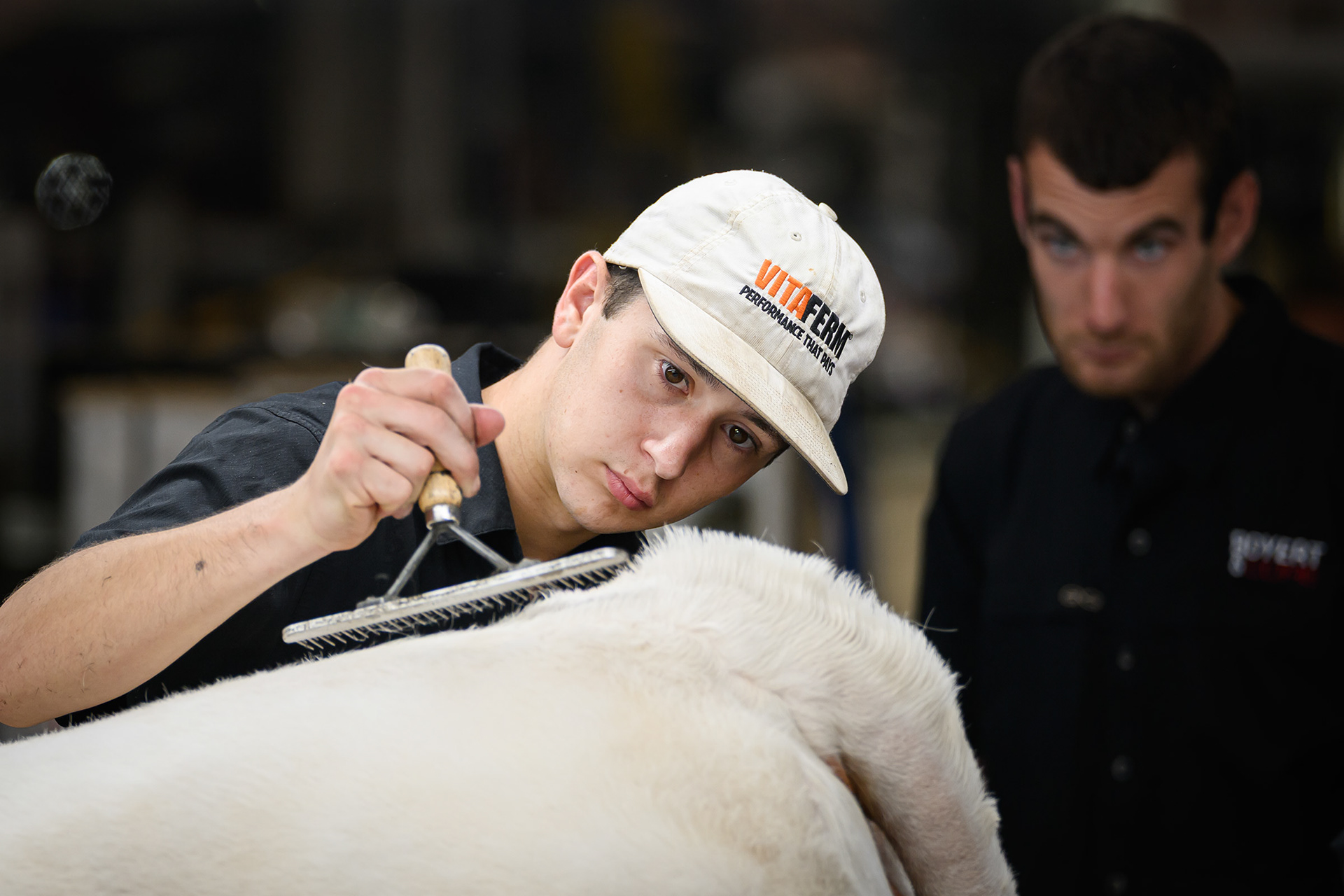
Each morning, the light came through the thin windows of the barns, creating high contrast moments as handlers wrangled their livestock through the processes of preparations. Prime wandering material.
The preparations don't only extend to the animals as the young female handlers sorted out their pre-show make-up and other's put their grooming skills to good use on each other.
A large chunk of those taking part in the competitive elements of the fair belong to the 4-H youth group (which stands for head, heart, hands and health), a non-religious organisation that teaches life skills through manual work in areas such as agriculture and science. Personally, I think that sounds like a great idea.
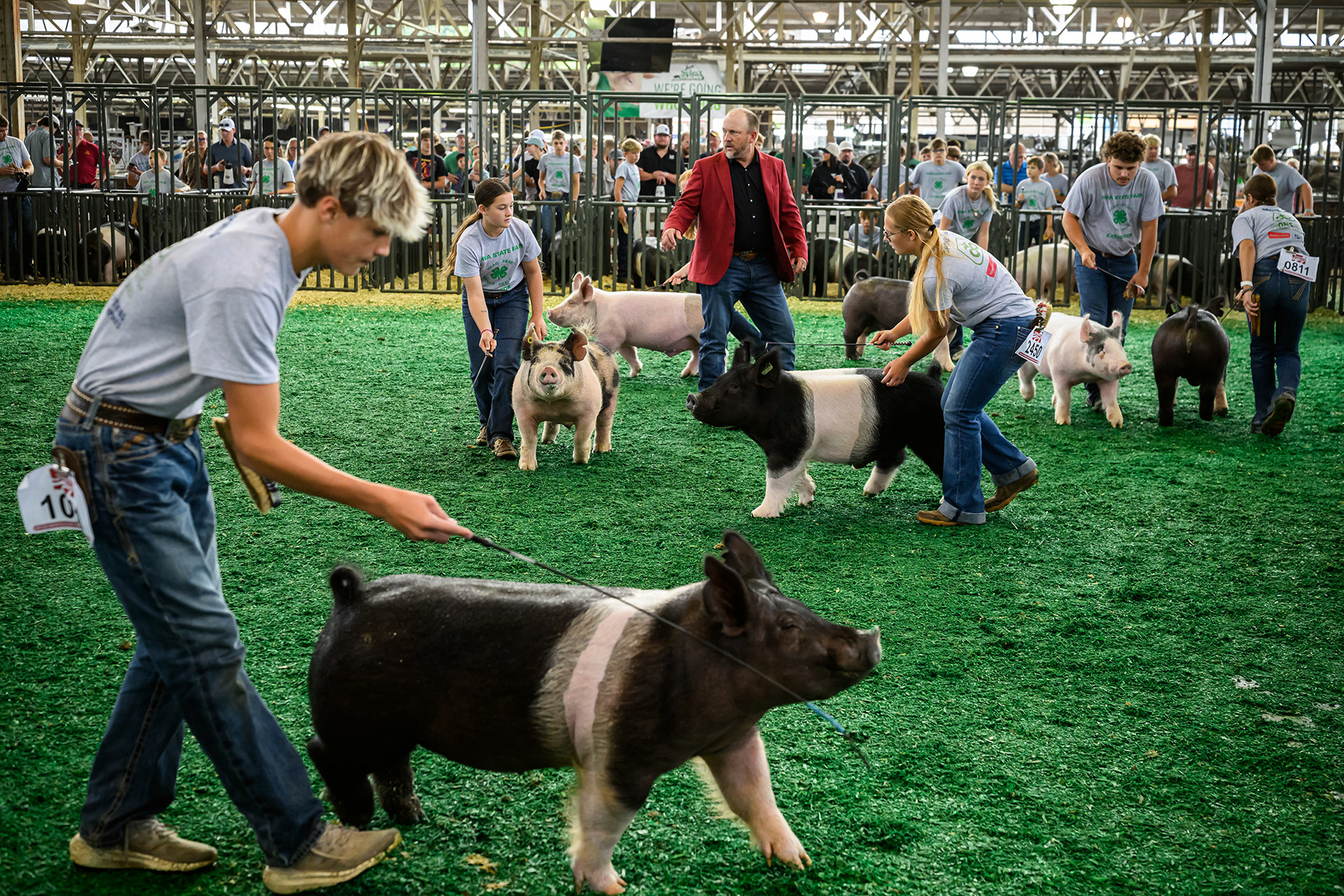
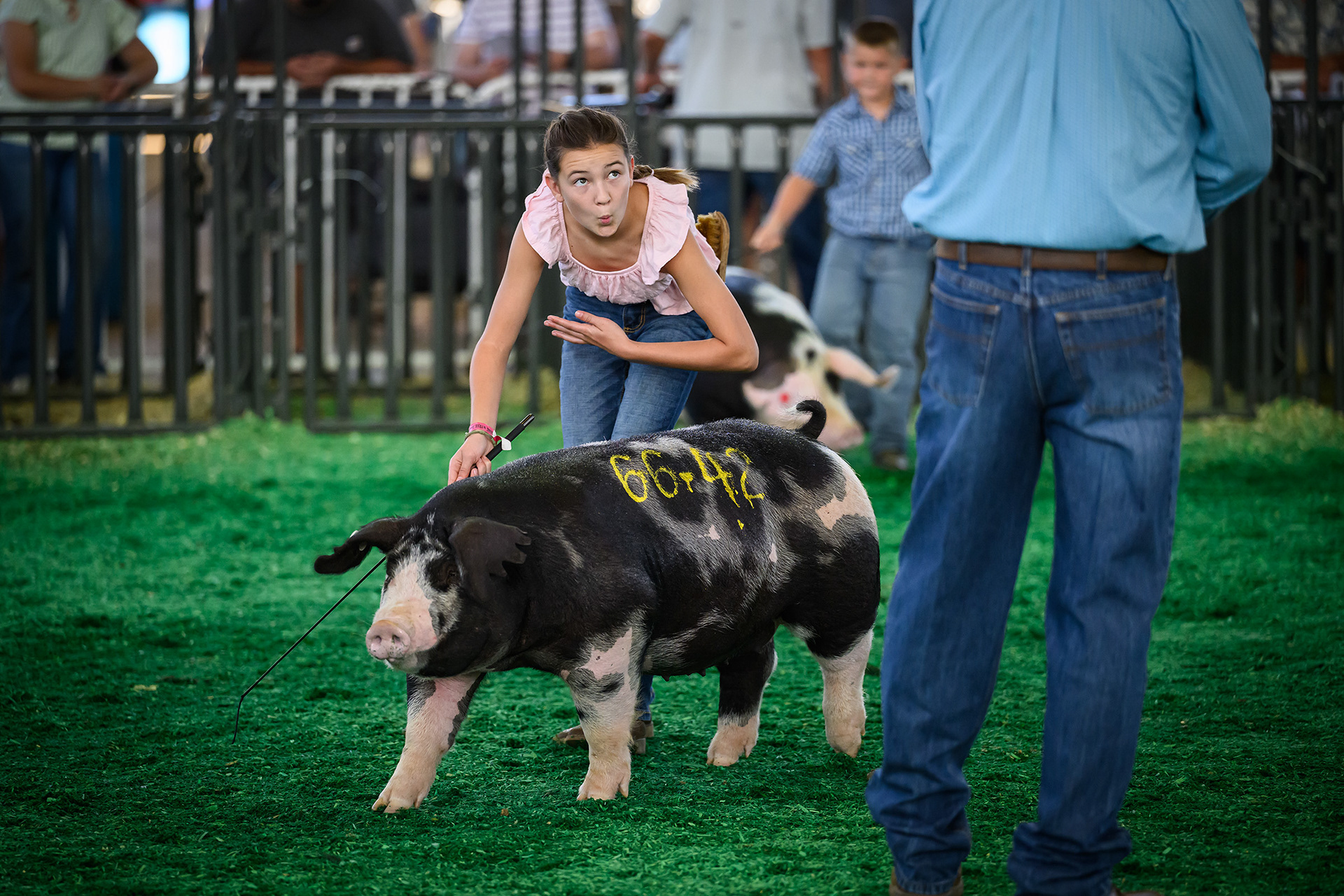
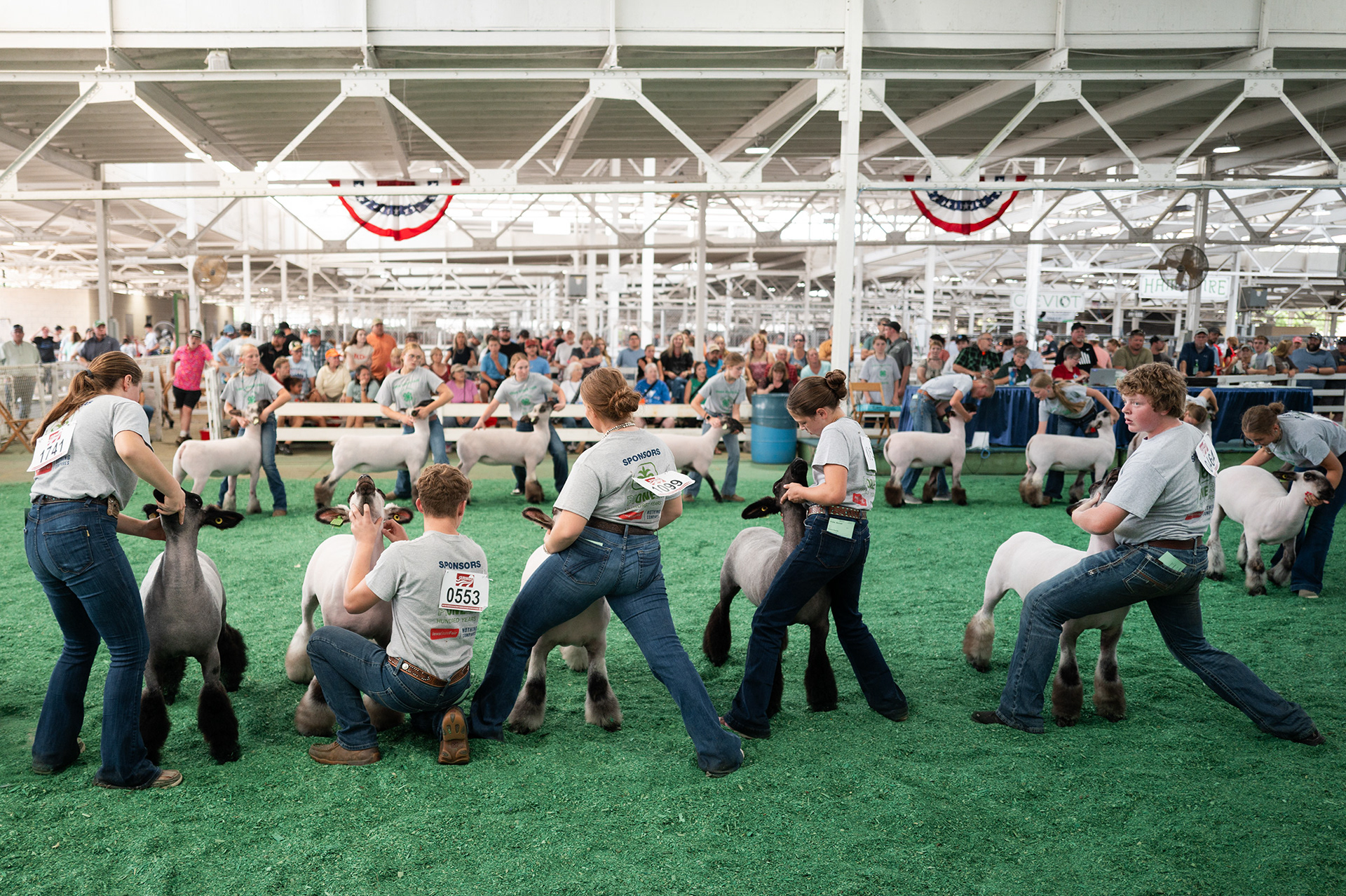
This new generation of farmers are following in a long timeline of those working the land in this region. Throughout the site, this history was visible through the work being done, as well as the games that were played.
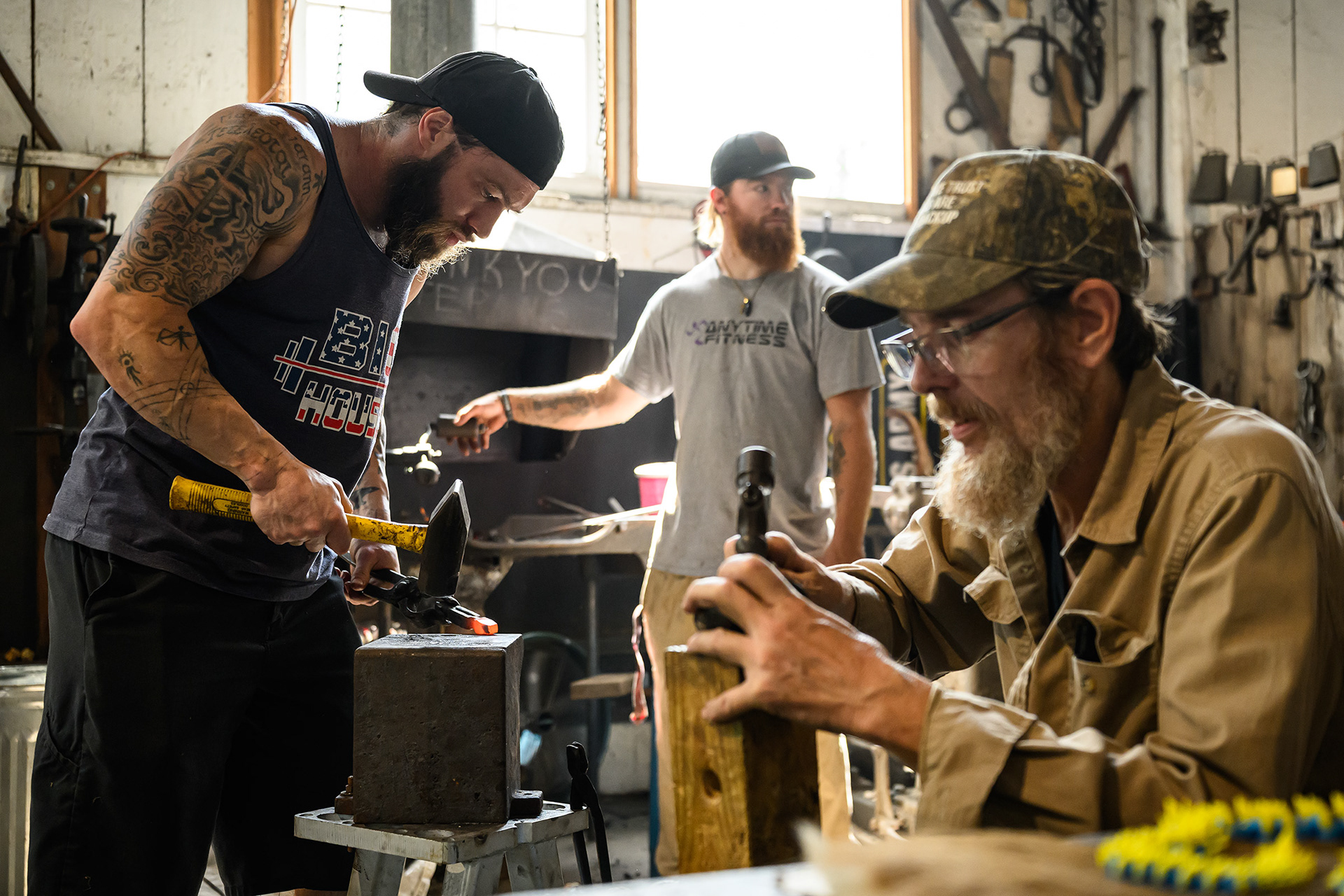
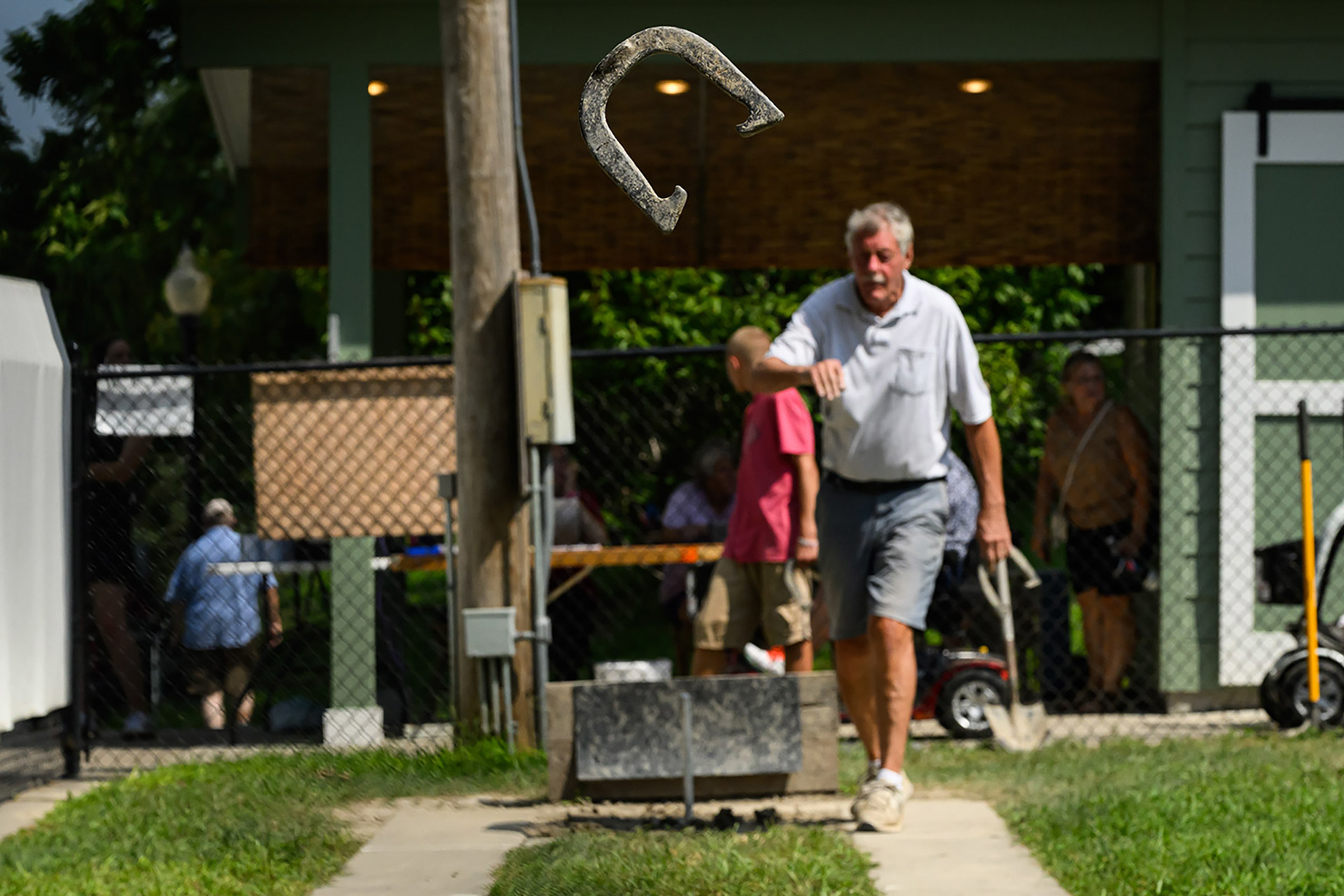
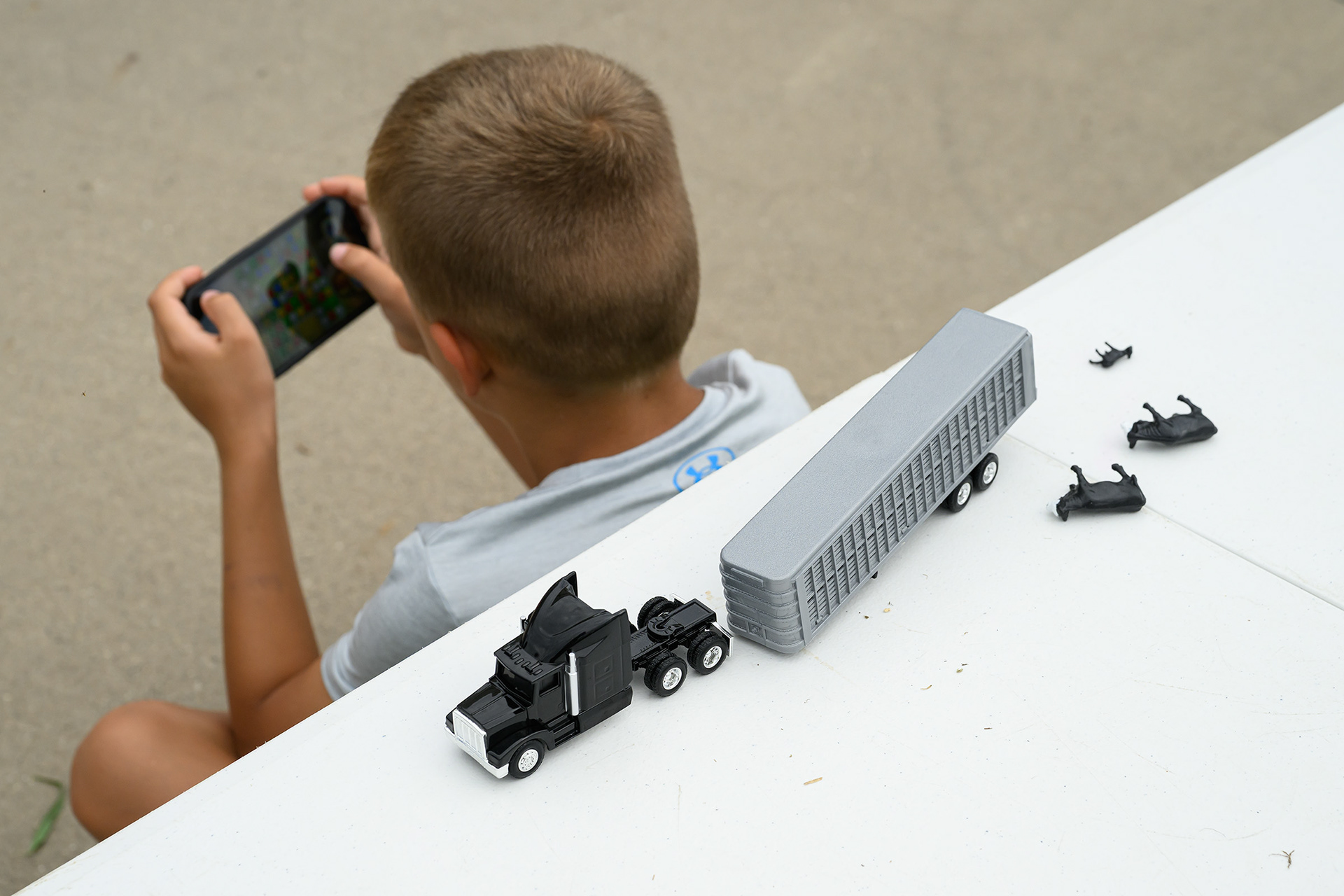
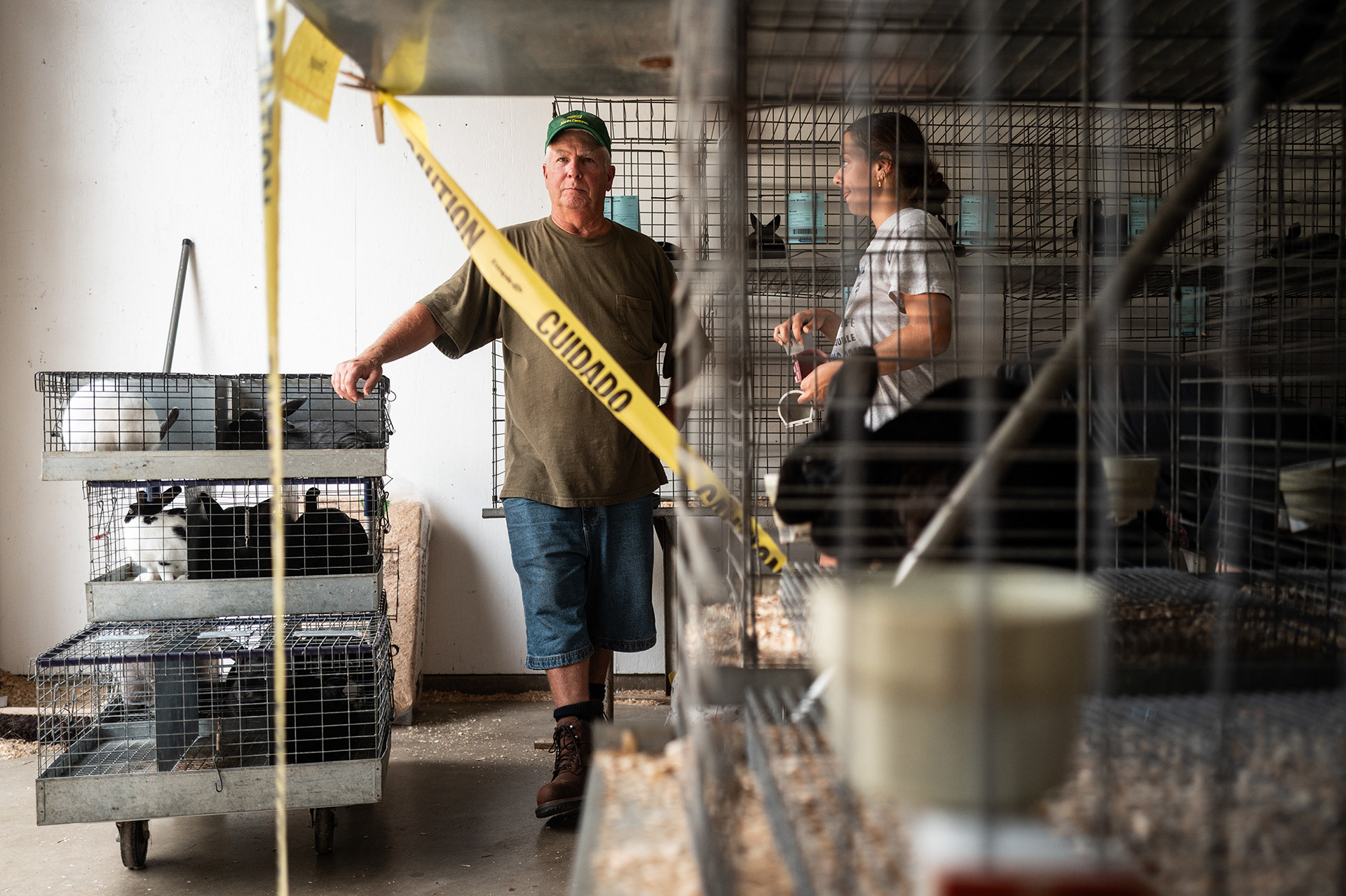
In the livestock areas, grandparents, parents, children and grandchildren worked together to prepare their entries for show. Babies crawled around inside the stables while older children rounded up their siblings and herded them into pens before proudly slamming the gate shut. This certainly wasn't the case for everyone though. Catching moments like the one below made me wonder how endangered this way of life may be.
Exploring the site, one thing that showed no sign of being questioned is the love for the American flag. It can’t be overestimated how much a part of life it is for some people. Coming from the UK, it never fails to be a bit of a culture shock to see a country so aggressively proud of it's flag. Having said that, it is an iconic design and, as a photographer, it's a hard thing to avoid including whenever you see one.
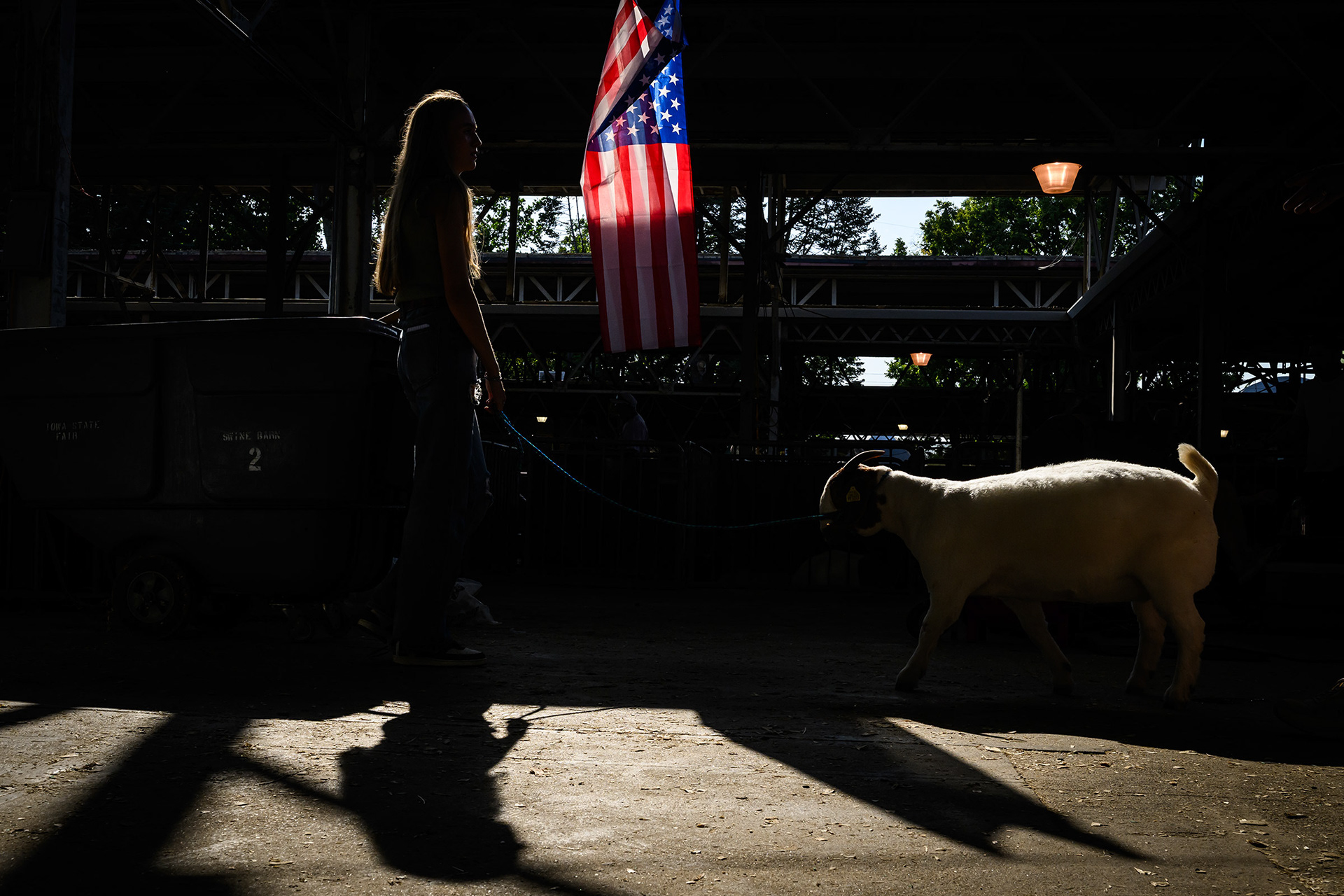
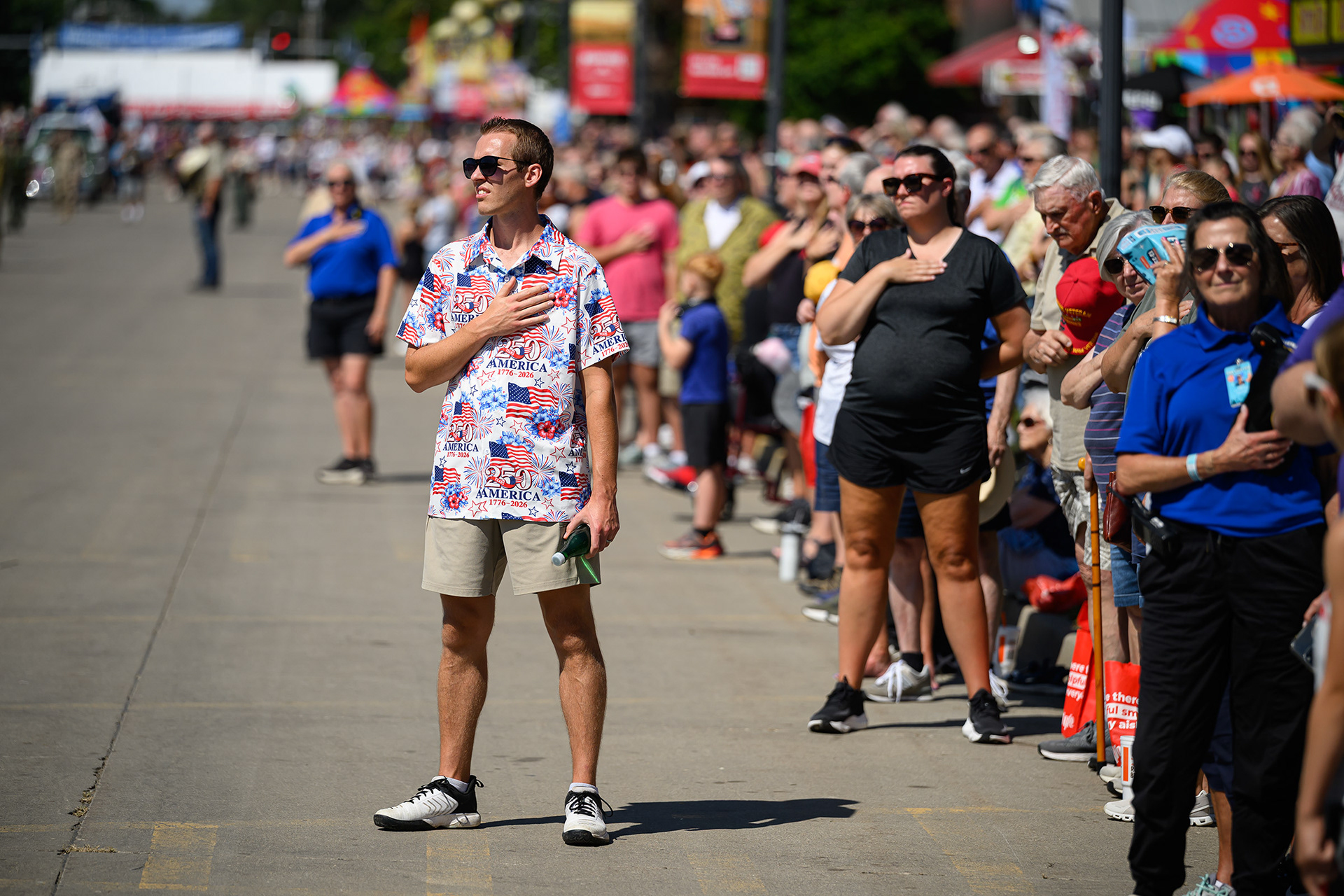
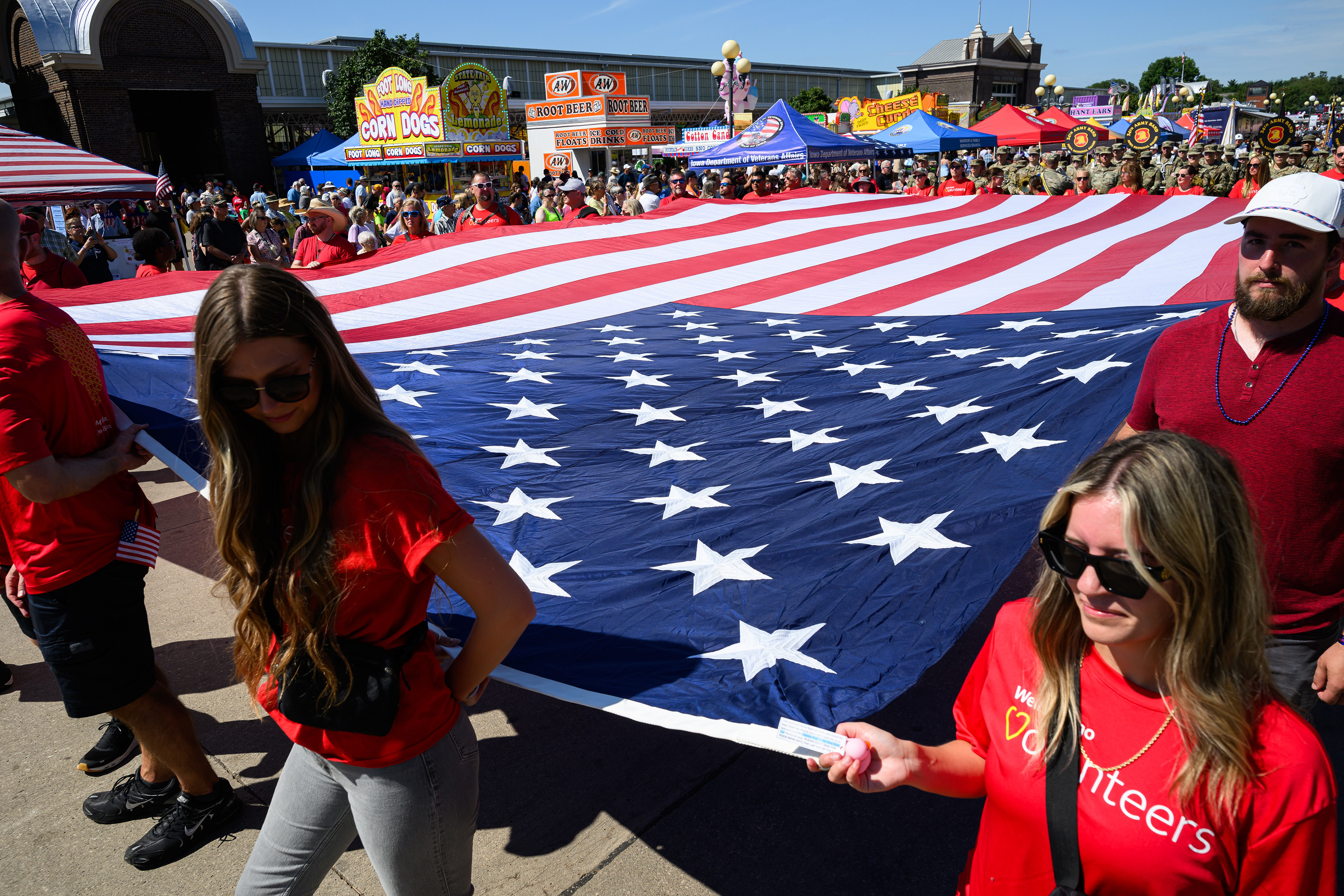
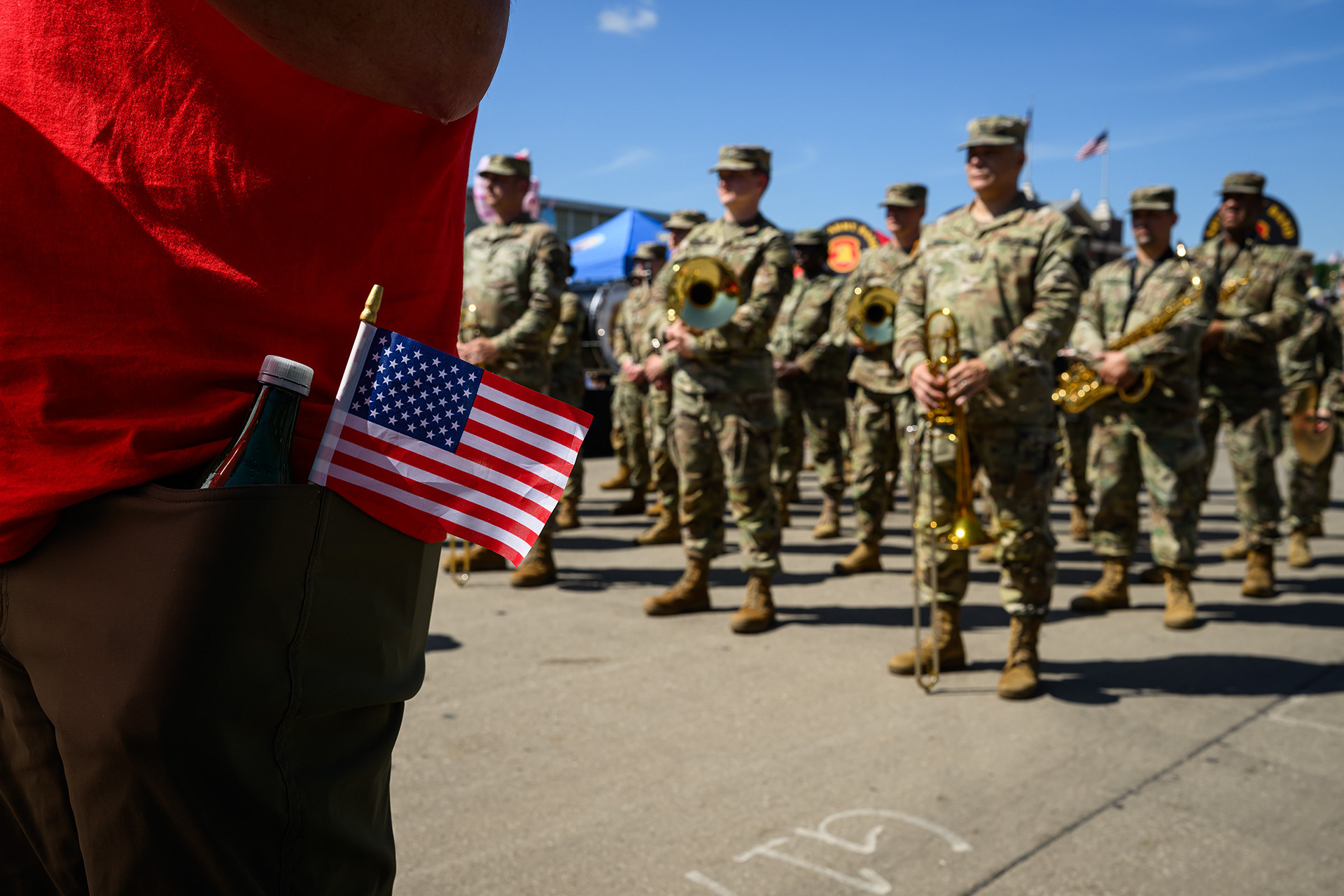
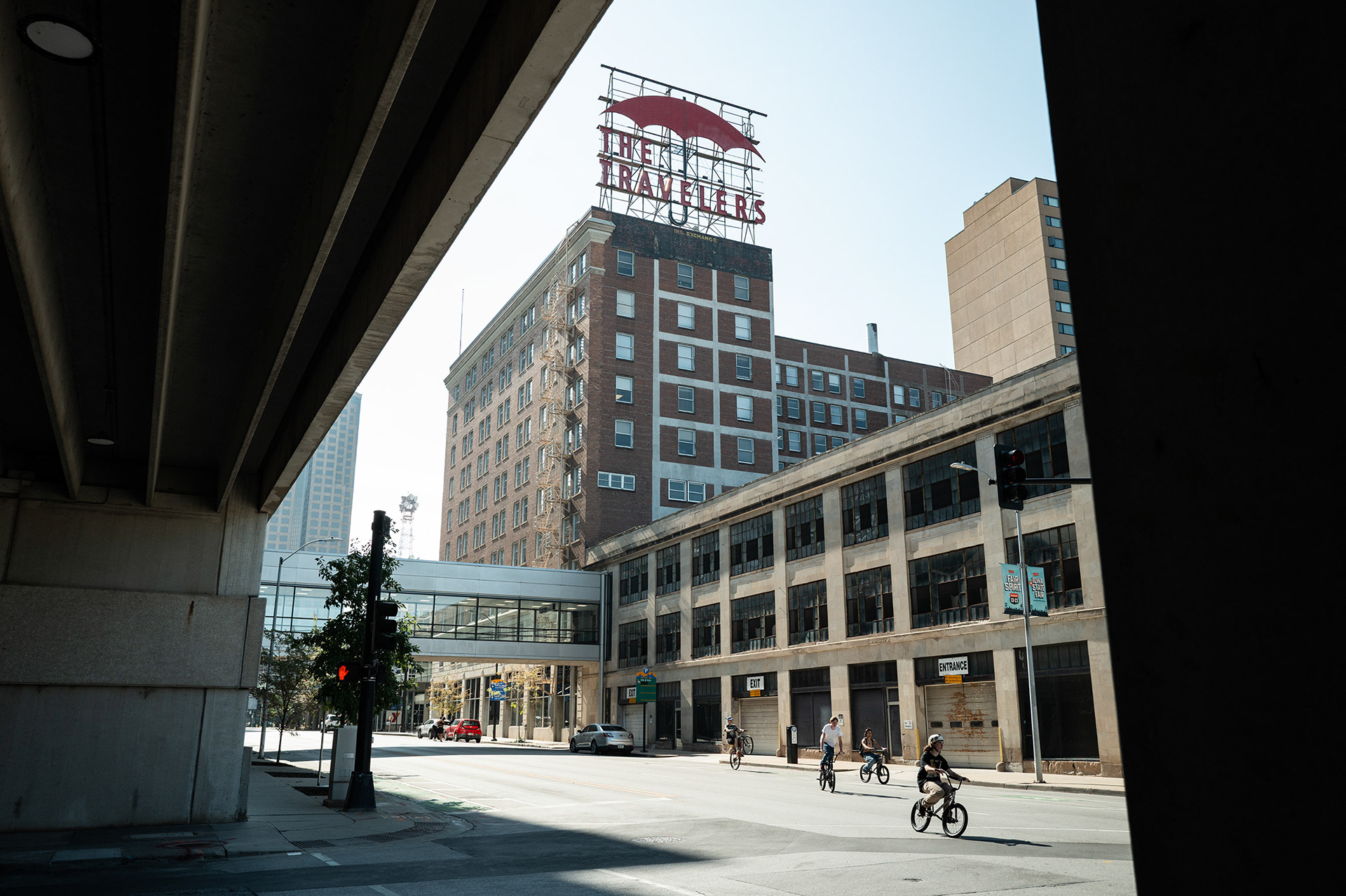
The agricultural nature of 99.9% of Iowa (imagine corn. A lot of corn) means that outside of the cities, it’s pretty sparsely populated. During a brief foray away from the fair, I was driving for two hours with whole periods of time without a car in front or behind for miles. Coming from Japan a few weeks ago where a friend told me that it’s literally impossible to be alone, it’s quite a leap. With all that space, it's easy to understand where their love of the great outdoors comes from. Even when wandering the major city of Des Moines, it seemed so quiet compared to other areas of the world.
The passion of the attendees and competition entrants for their animals was unparalleled. There was plenty of laughter and chatter happening behind the scenes but when it came to competition time, the game face went on.
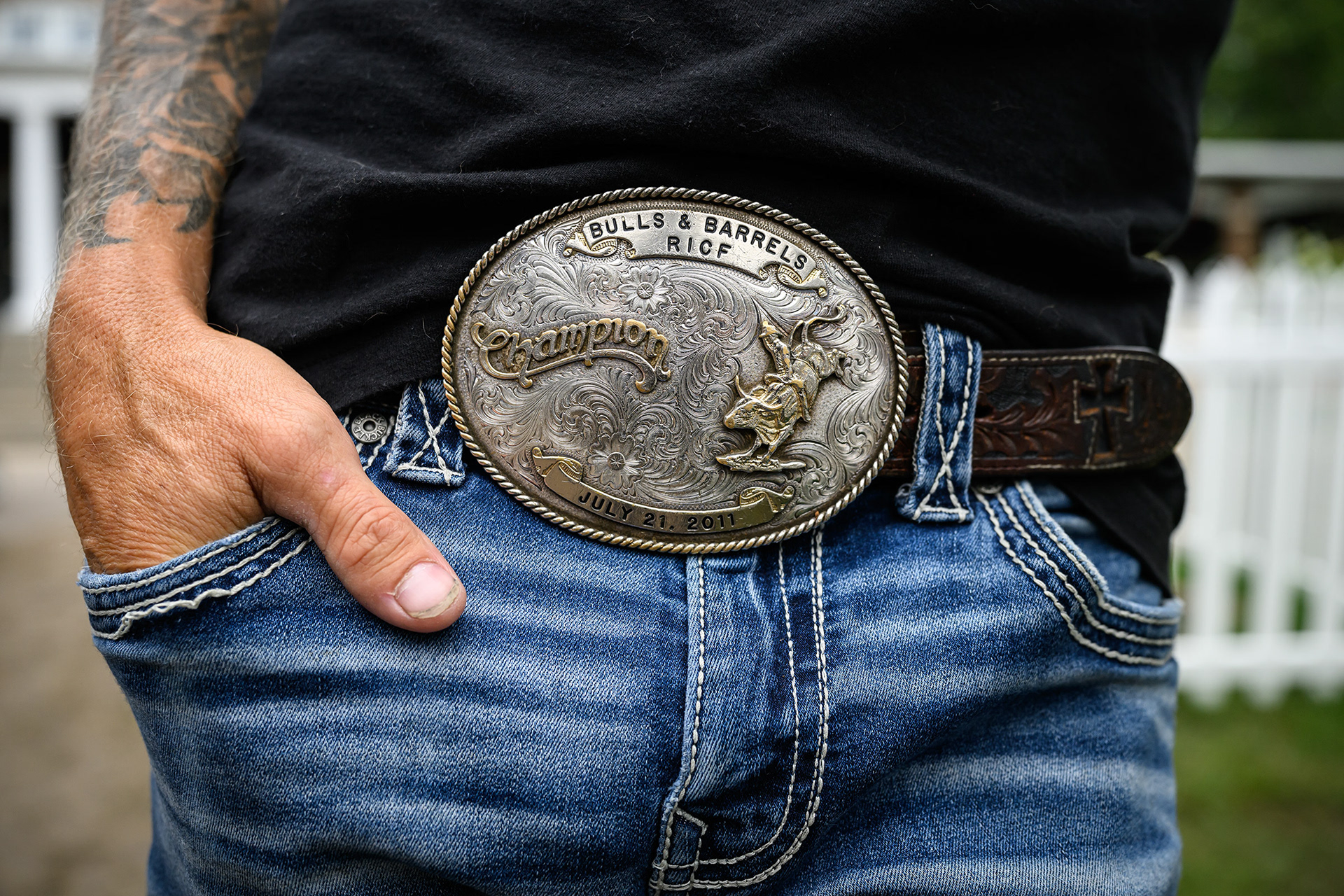
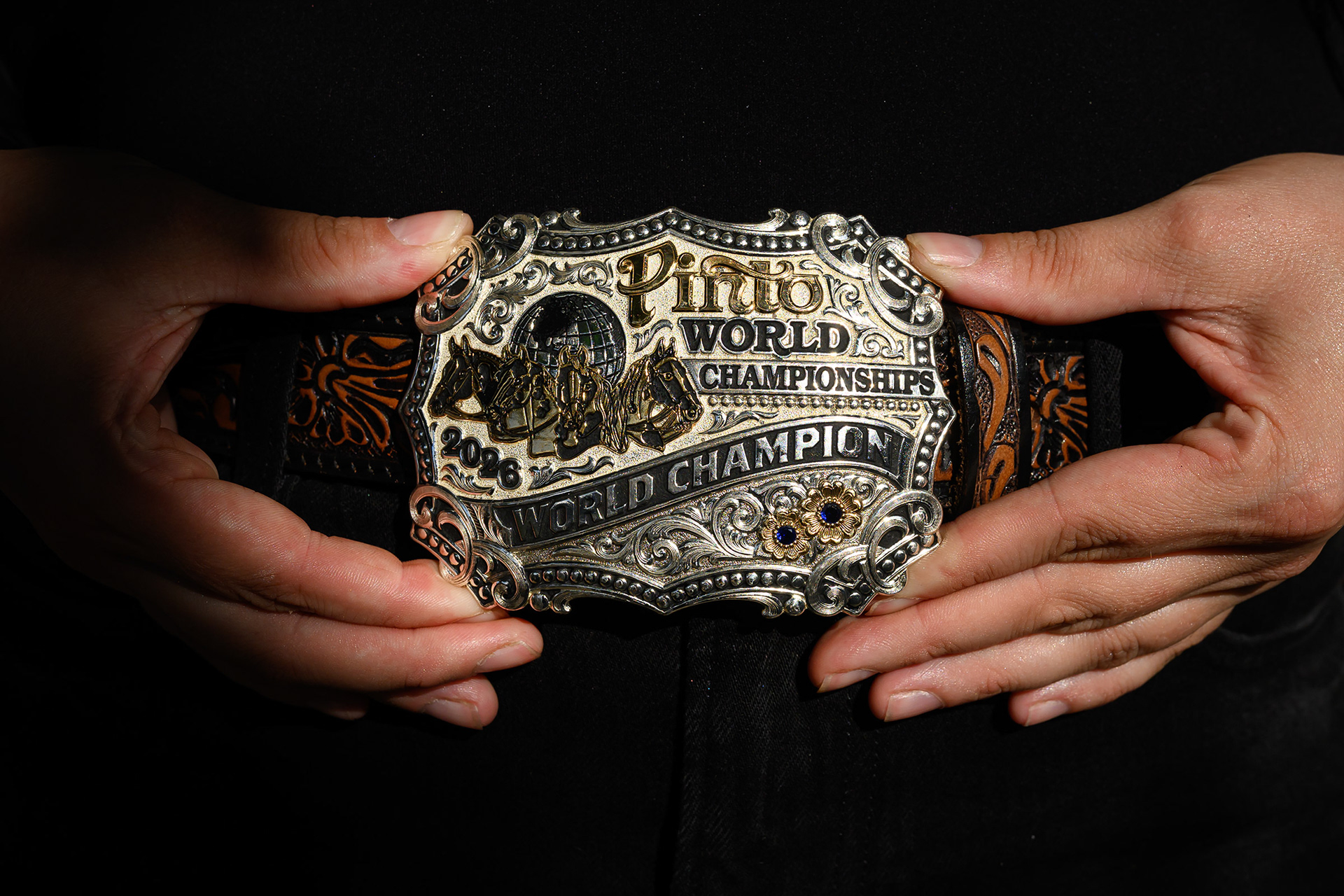
The glory that a competition can bring has the potential to live on for many years in the the belt buckle. These wearable trophies were out in force, resulting in a fun set.
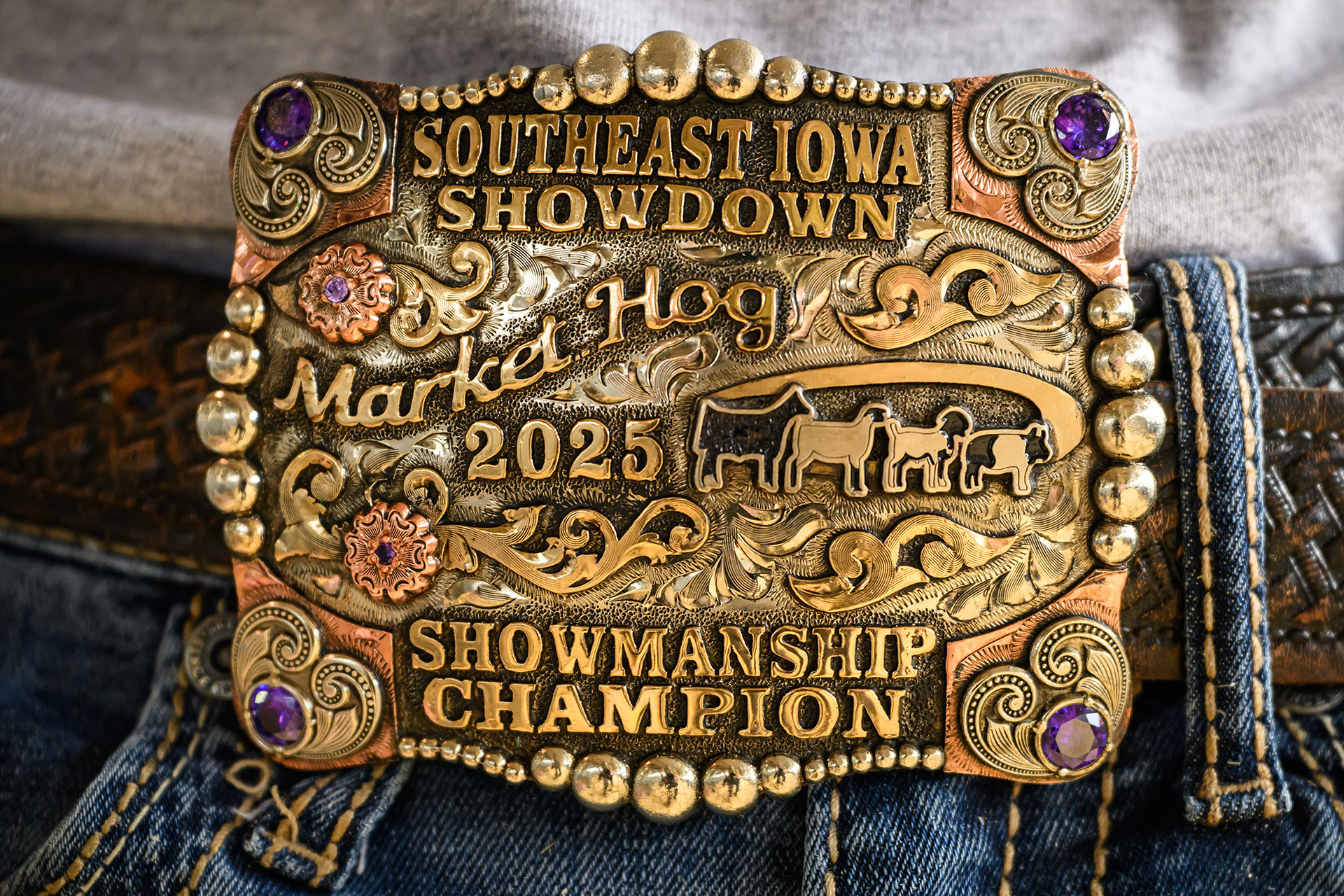
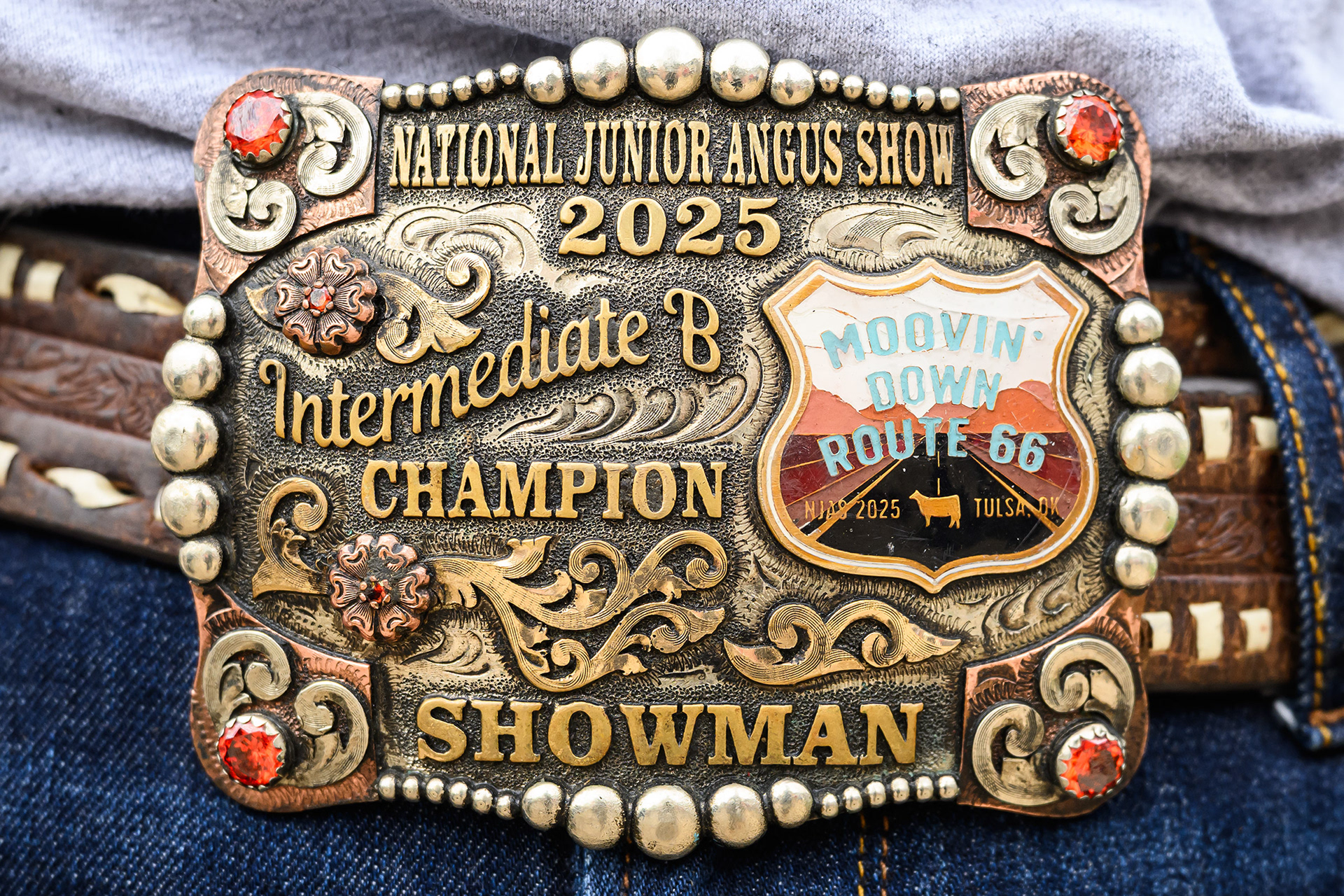
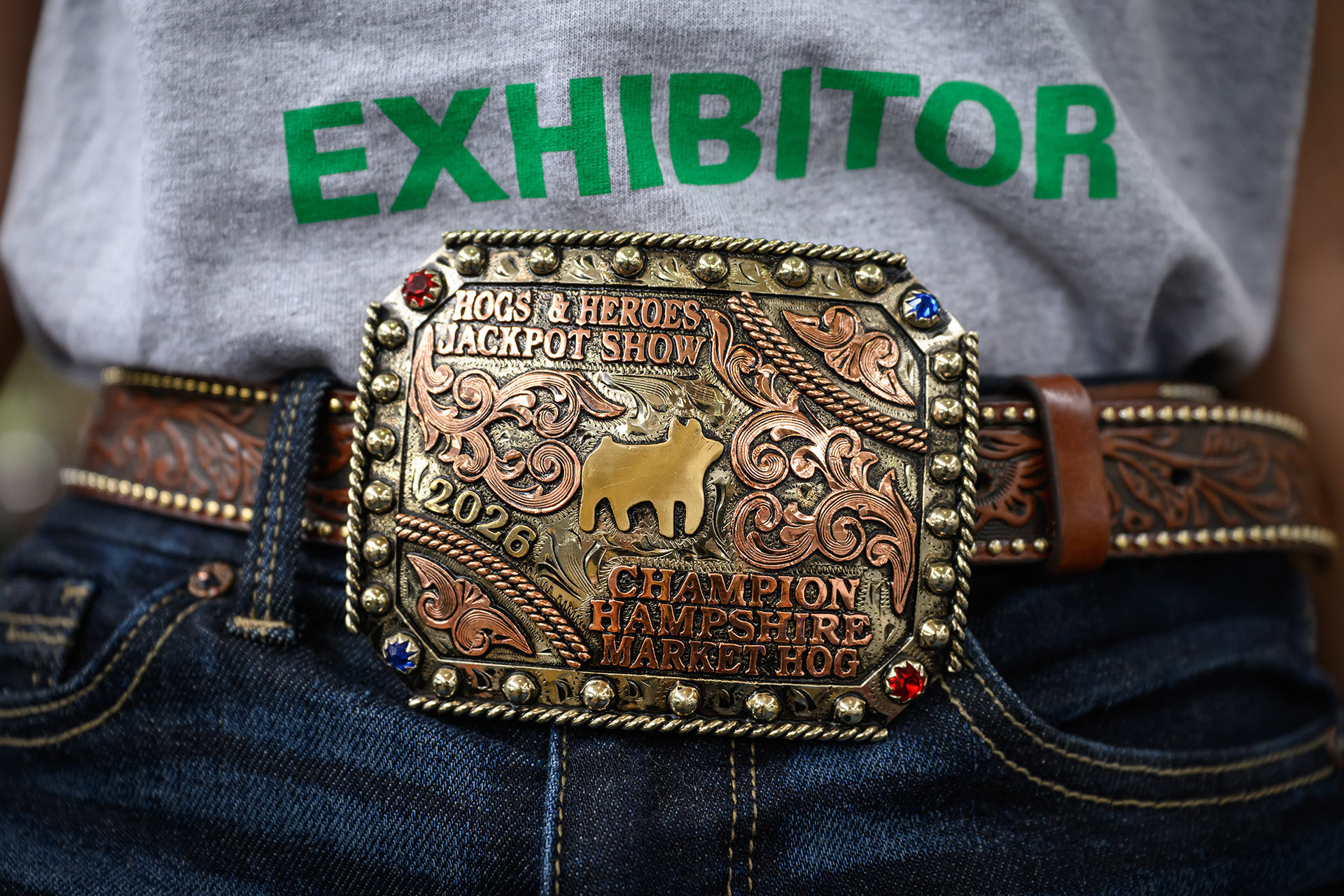
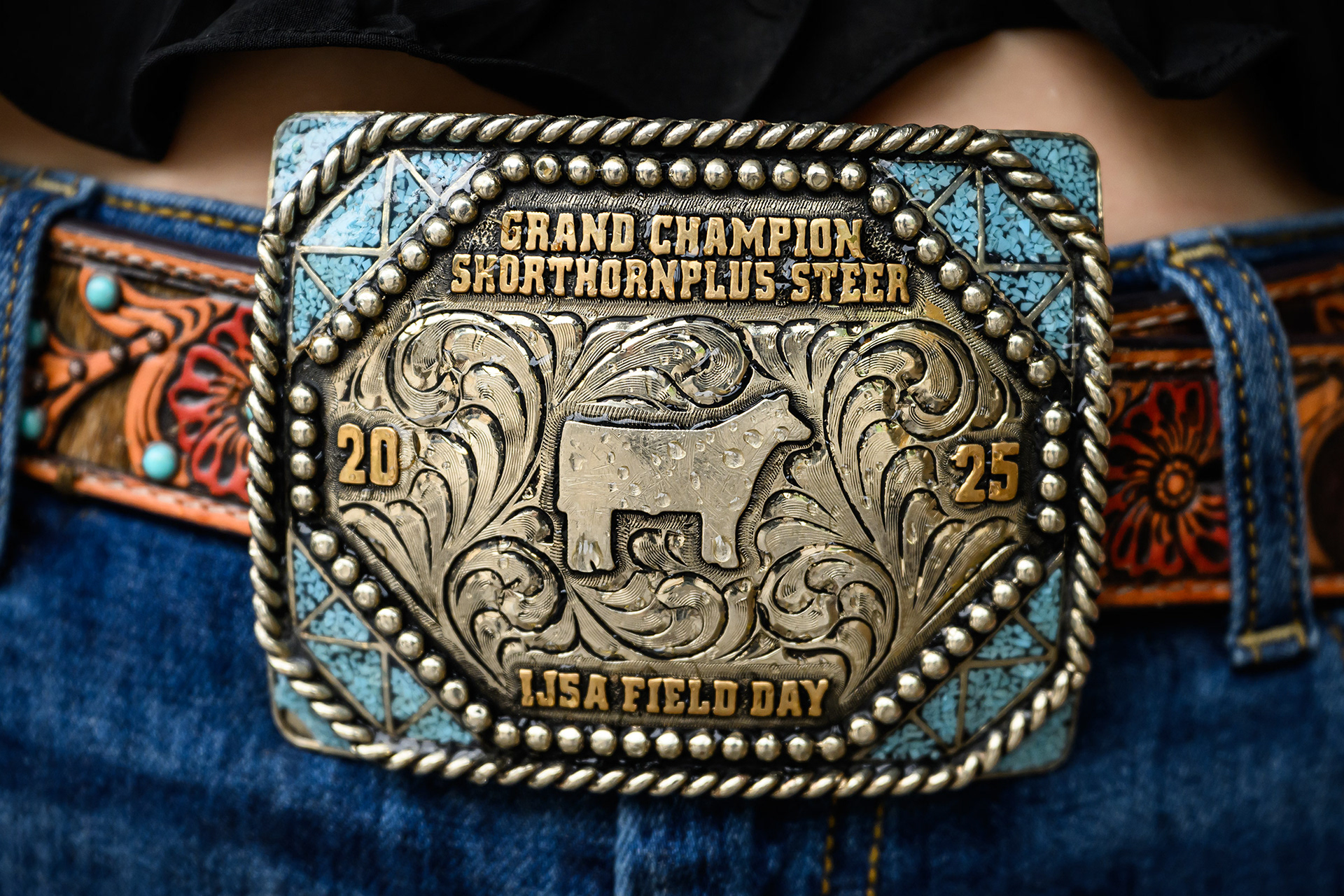
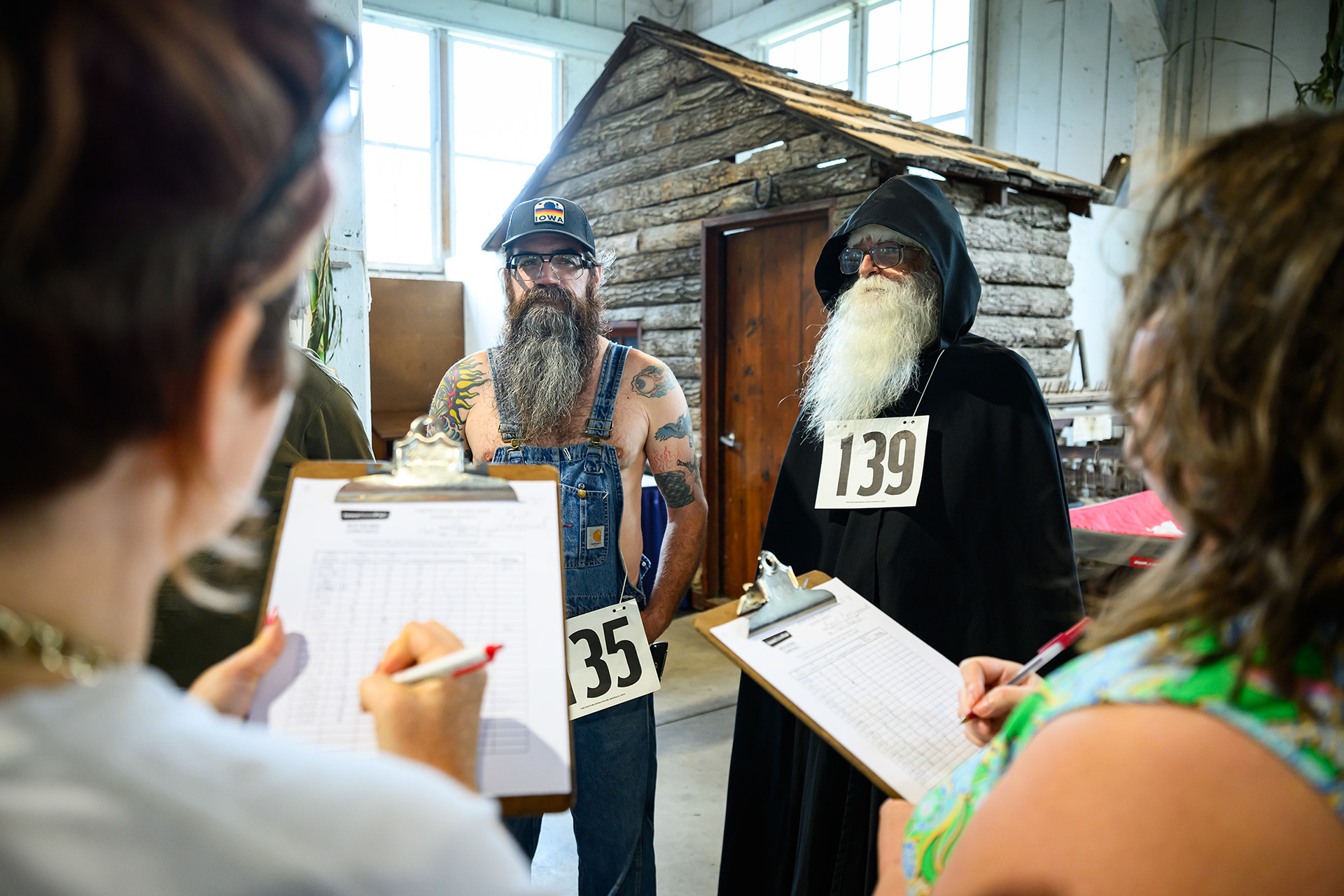
The prize-winning doesn't just apply to livestock as the fair also provides human-based battles too, with competitions such as "best beard", best “mom calling” and parent/child lookalikes. All of this is held in a traditional barn and couldn’t feel more old world America if it tried.
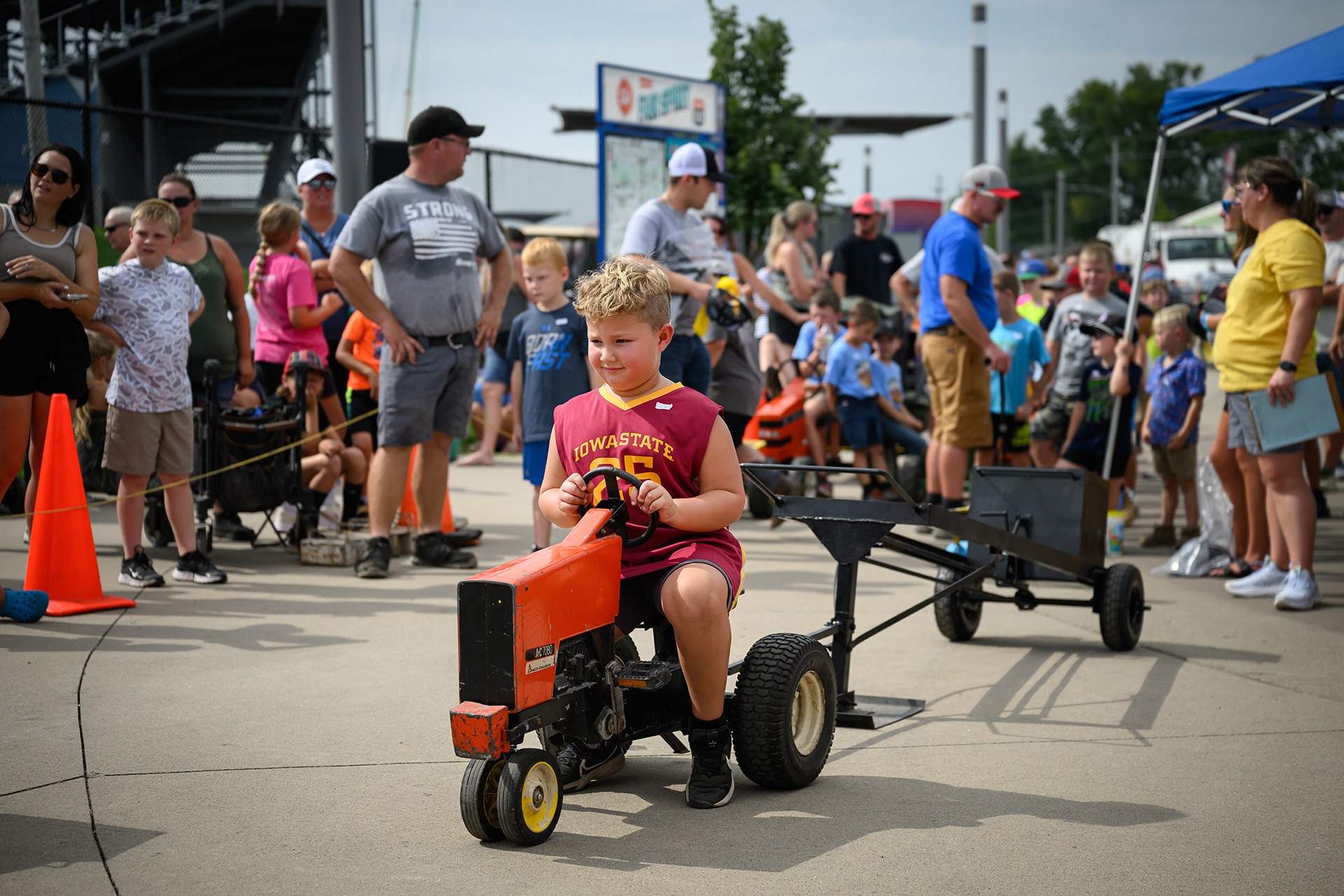
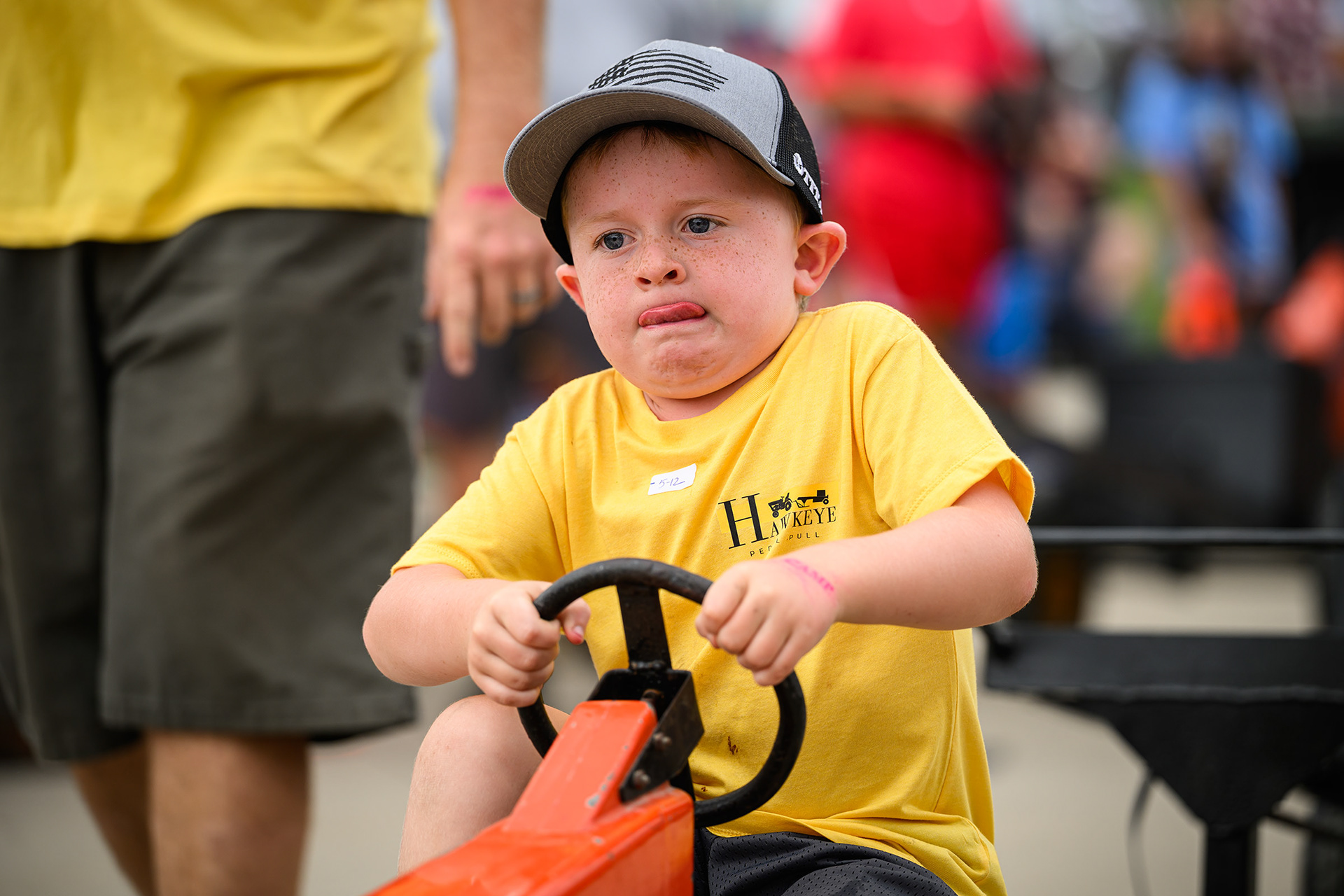
Over on the western edge of the site was the race track area where, first of all, the junior tractor pull took place, with a shock defeat for the national champion.
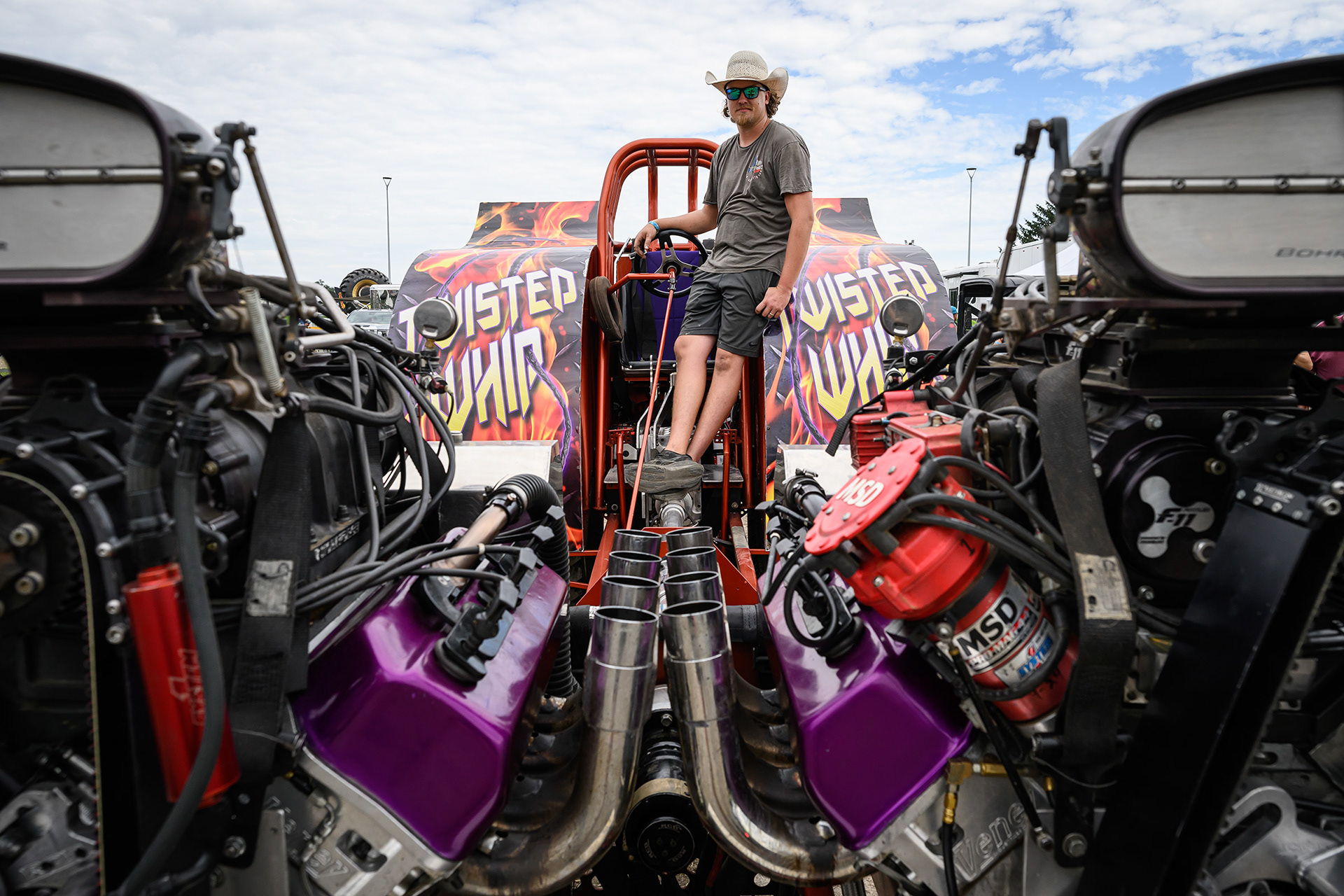
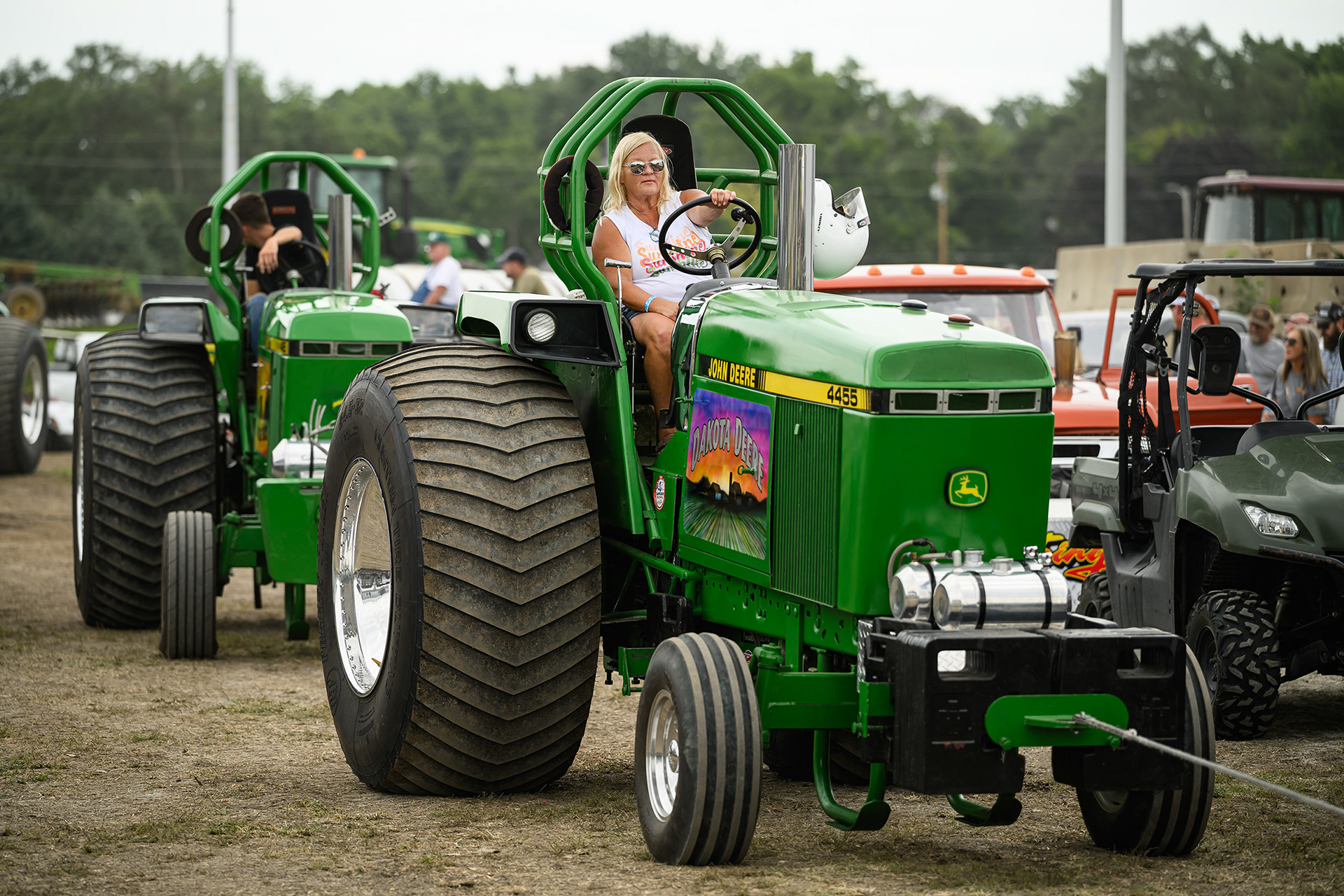
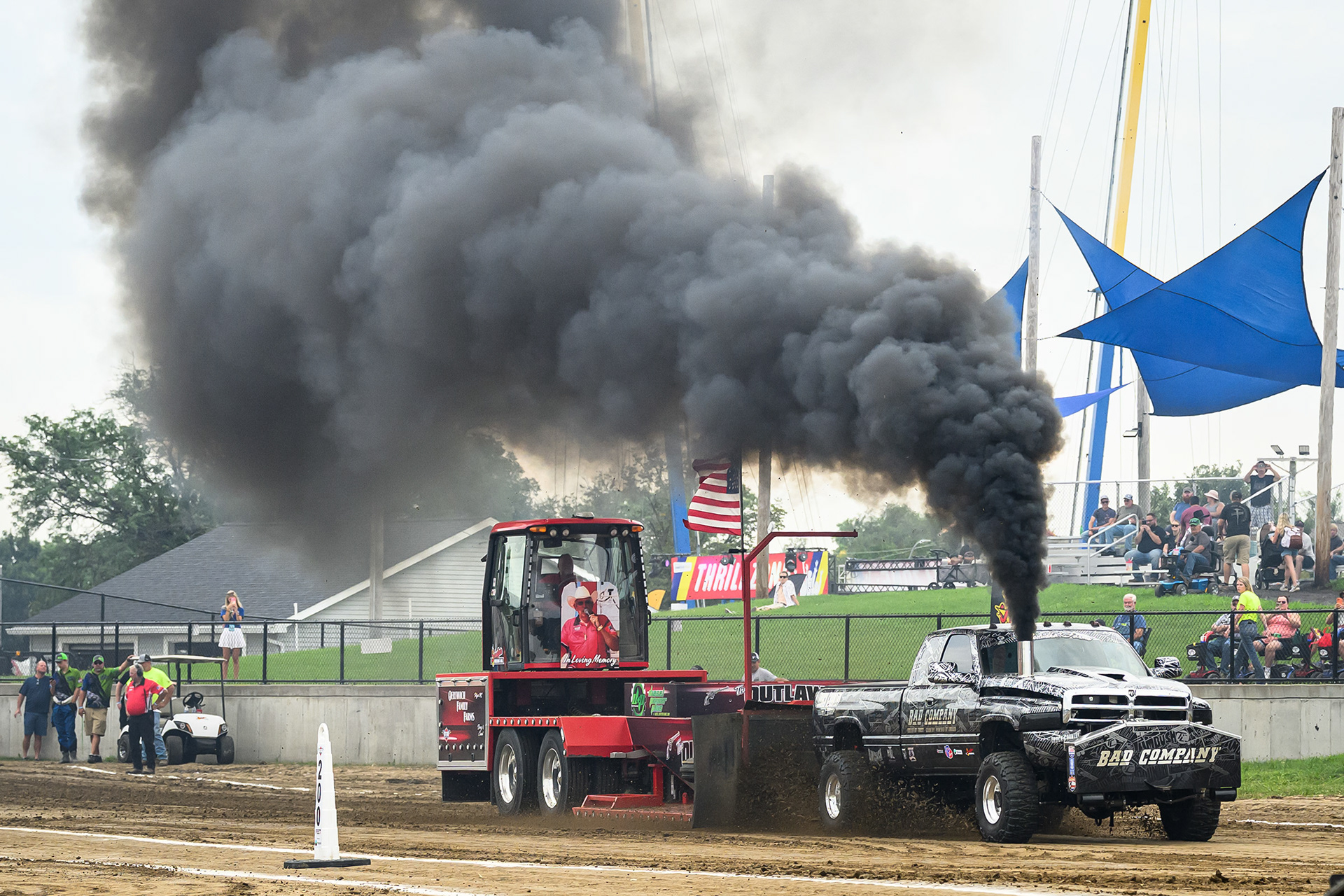
Inside the arena, the adults got to play with their toys too.
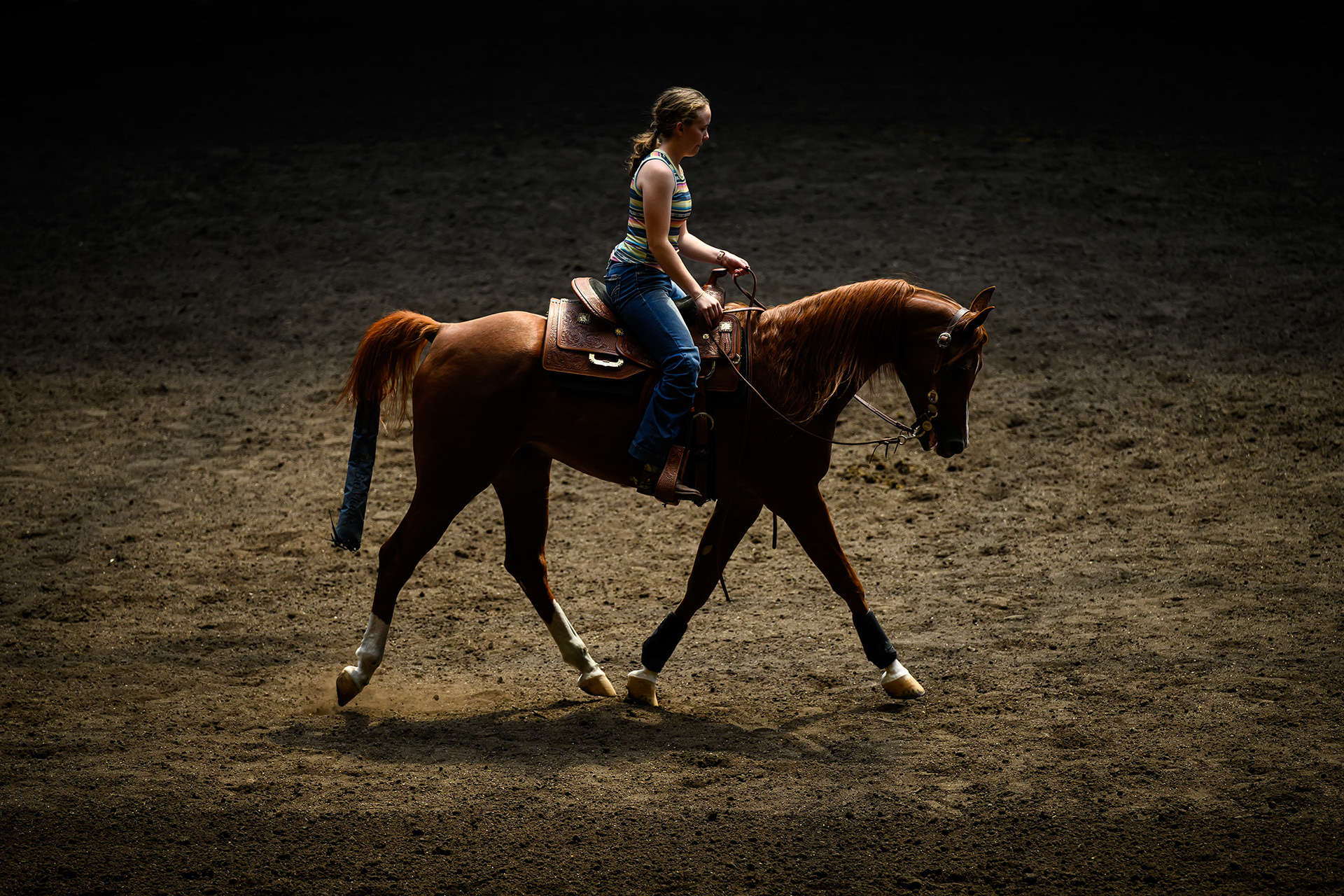
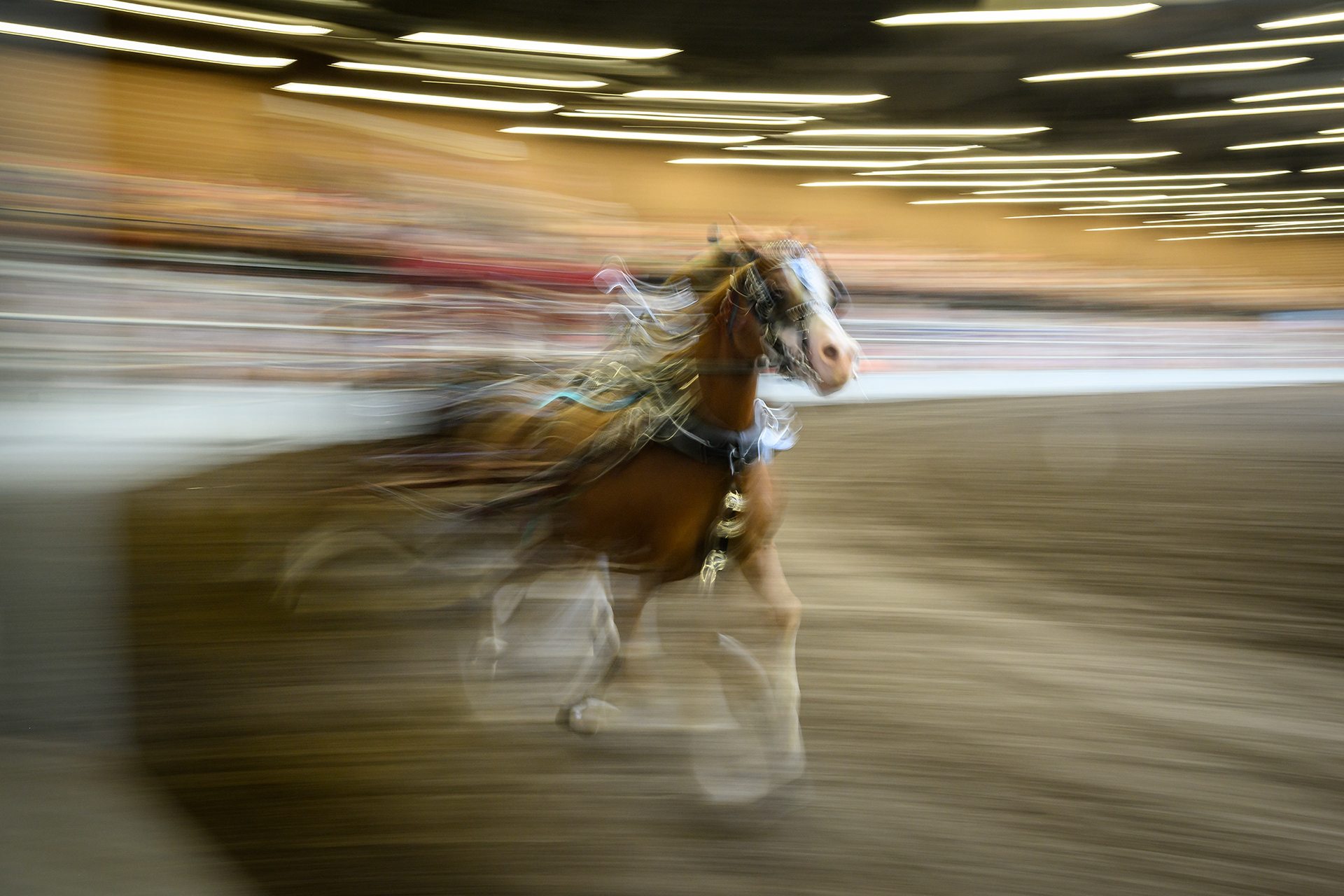
Personally I preferred the traditional horsepower on show over on the other side of the fairground.
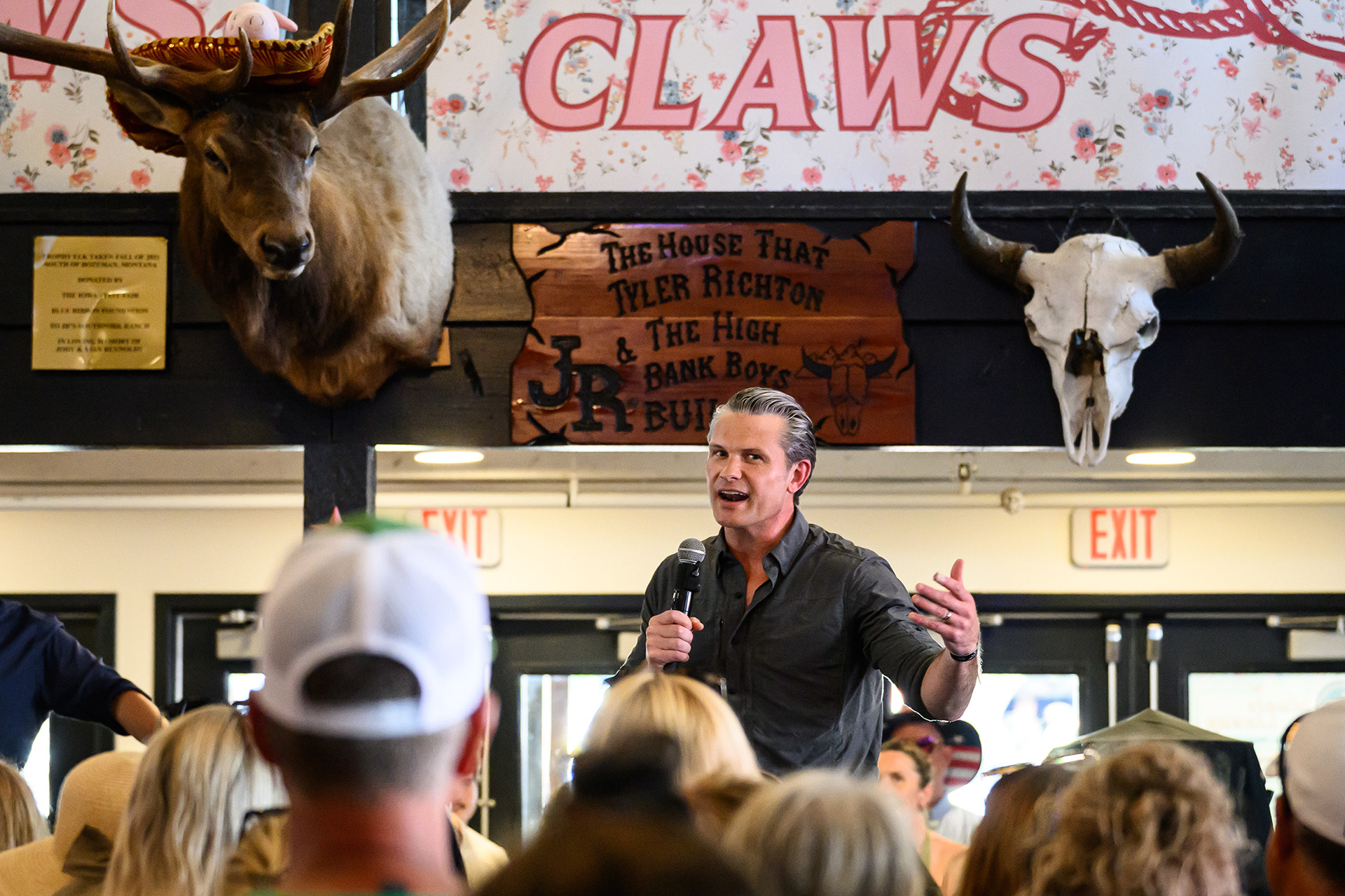
Unlike during an election year, not too many global-level politicians came through the fair, aside from Pete Hegseth. He ended up making headlines with some casual anti-transsexual sentiments, and journalists speculating whether this was a tentative probe into a run for the top job in 2028.
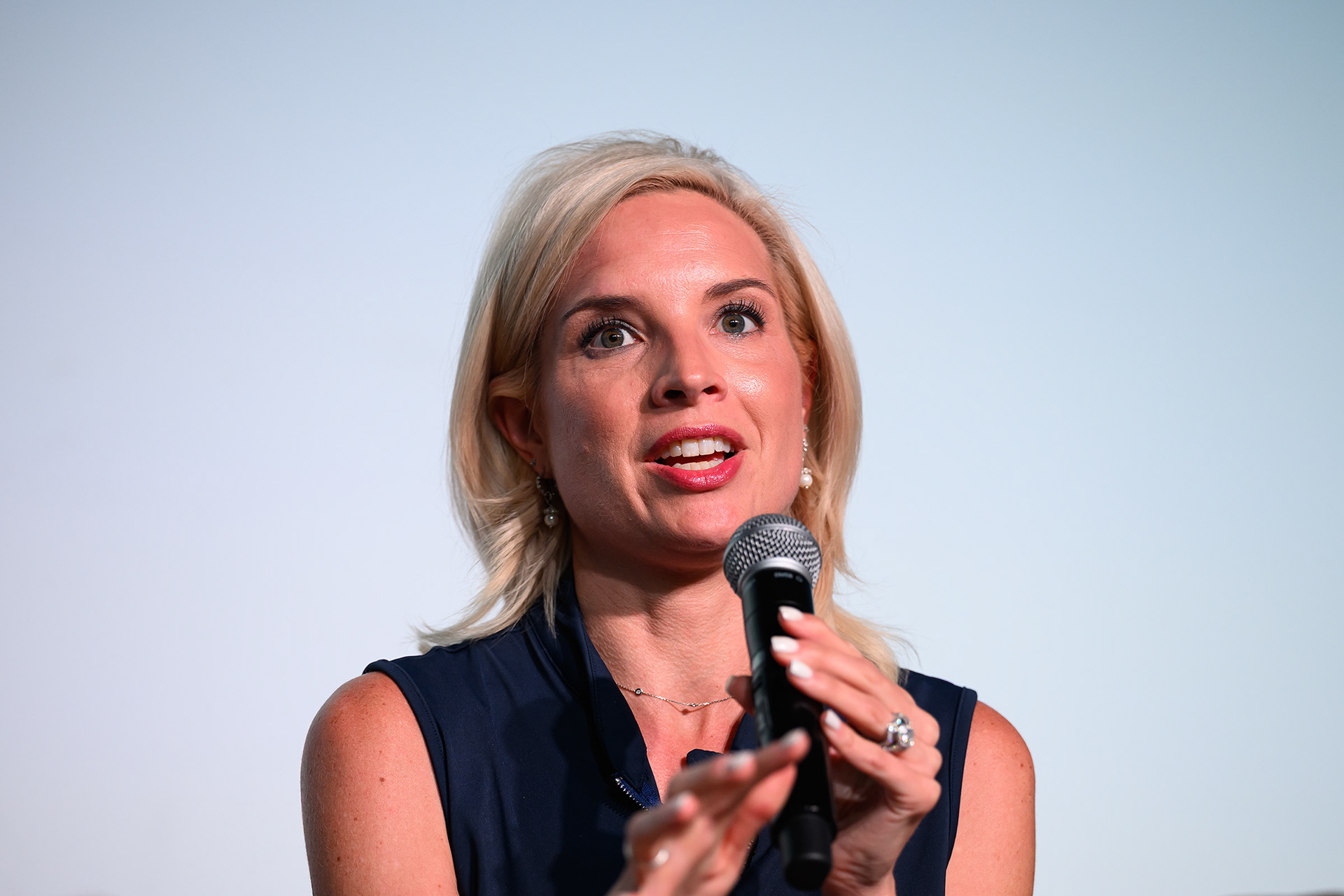
Aside from the Secretary of War, other attendees included Republican Senate candidate Ashley Hinson, Democratic nominee for Governor in Iowa Rob Sand and Republican Congessional candidate Zach Nunn.
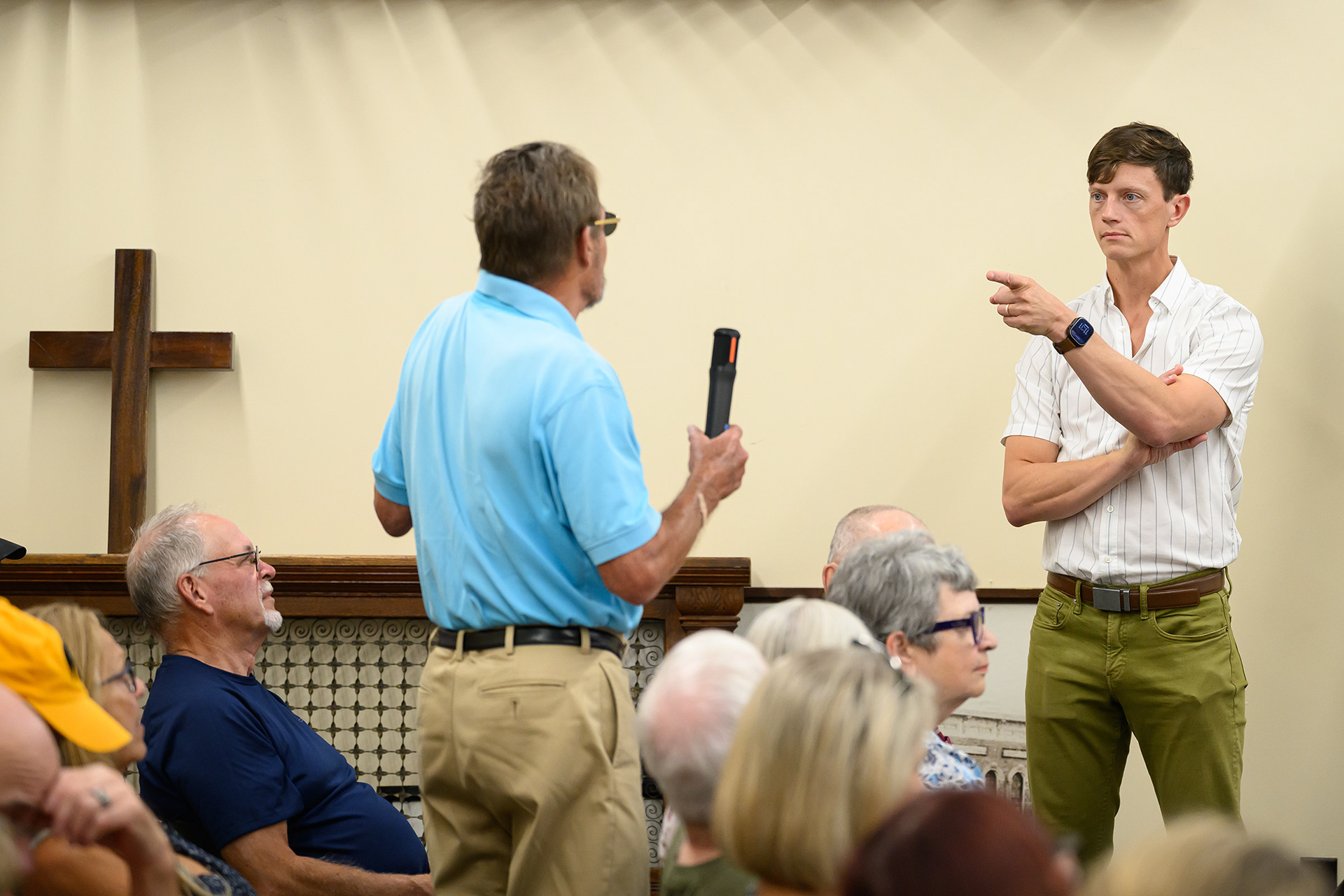
Sand has gained quite a lot of attention by being strongly bi-partisan, arguing that no one party has all the answers. A regular part of his appearances sees him handing the microphone to political critics in the audience to hear their thoughts. I spent a day following him and it's safe to say they weren't softballing.
Nunn came across as coming very much from the Hegseth school of politics, with aviator shades, military flight jacket and feeding his children ice cream as they wore the ubiquitous star spangled banner during an appearance on the Soapbox Stage.
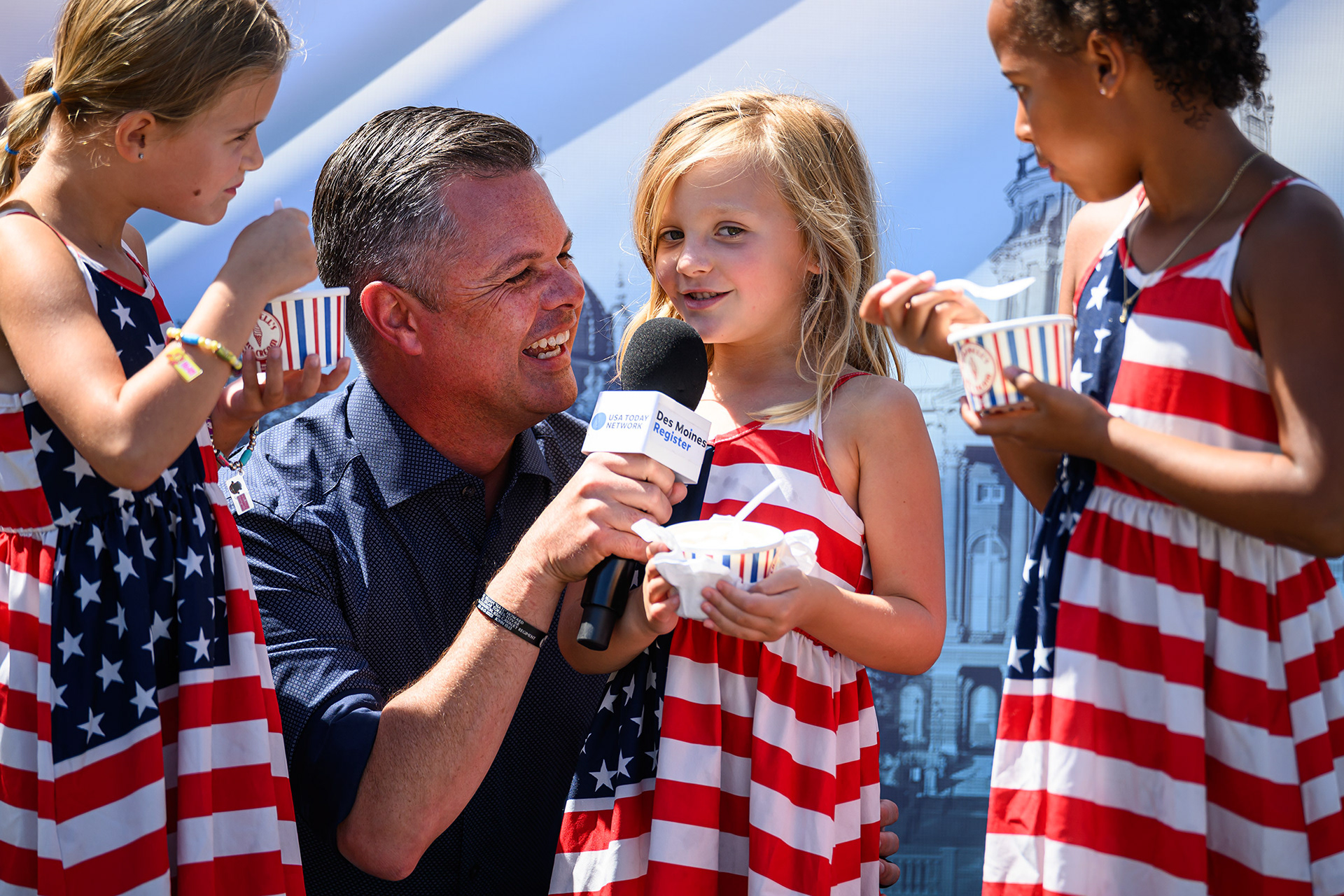
Speaking with a few locals during my time, the subject of travel came up, with one guy decrying the lack of culture he felt that the local population has. I had to argue with that as Iowa has a hugely strong sense of identity that is rare to find anywhere else. The stereotype of "Iowa Nice" is visible in every interaction, with people becoming almost competitive in how amenable they can be. Witnessing a confrontation between staffers while attending one political event, you’d never have realised there was any bad blood if you only heard the praise both parties heaped upon each other.
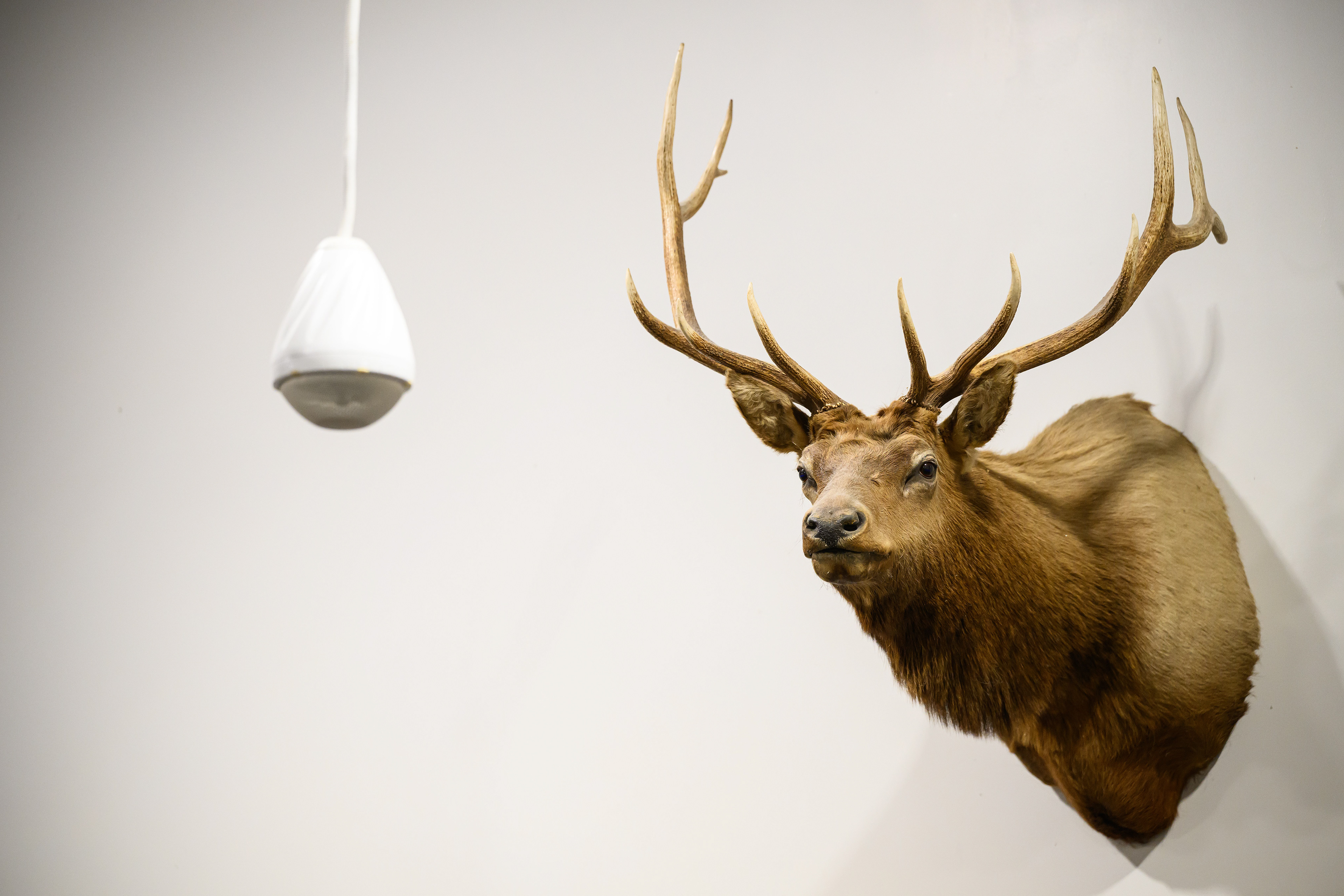
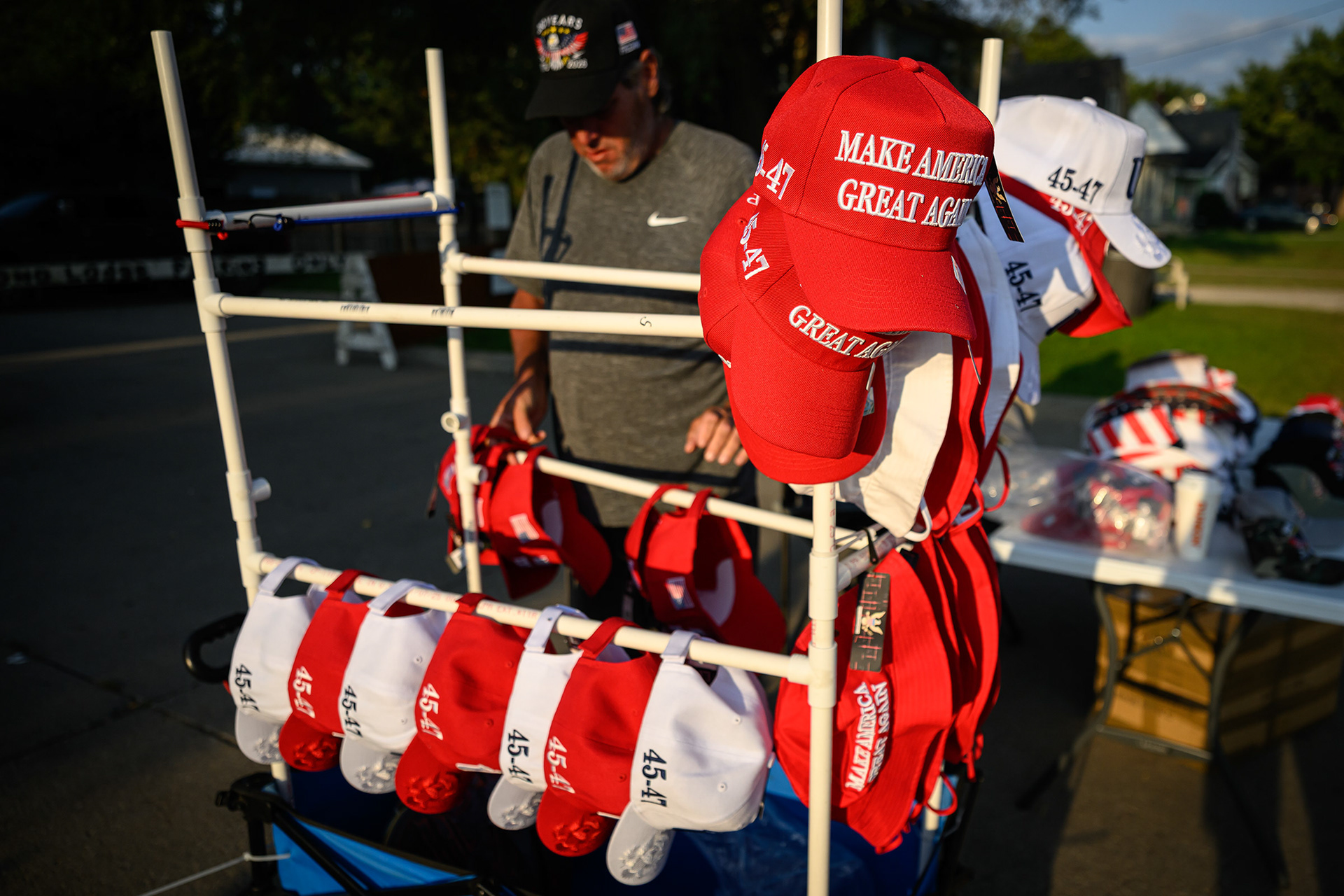
One thing that was noticeable by it's absence was Donald Trump, not just in person but in overt signs of support. It was only after two separate Americans who weren't attending the fair expressed shock when I mentioned that I had only seen single MAGA hat did it dawn on me that it was notable. With that in mind, I set out to hunt him down, with slim results.
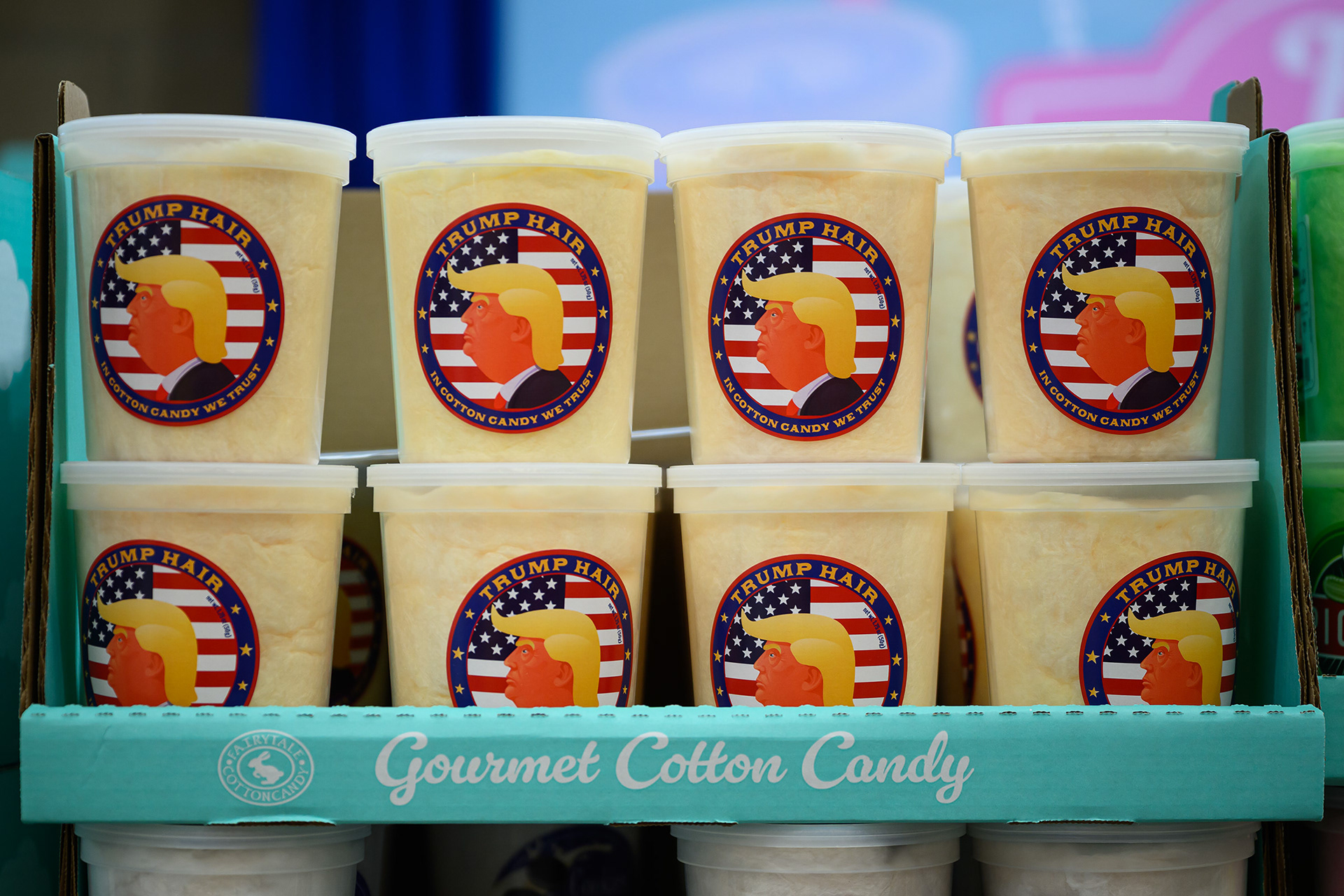
The only place I managed to find the merchandise in question was outside the fair perimeter on a local resident's driveway as he set up his stall for the day. "Tommy Robinson for Prime Minister" was the vendor's comment when I told him where I had travelled from.
On par with America's love of flags is the love of religion. Every speech called on God’s blessing and every performer’s appreciative thanks were pointed skywards. Again, another bit of culture shock coming from the UK where religion really doesn’t figure in daily life for the majority of people.
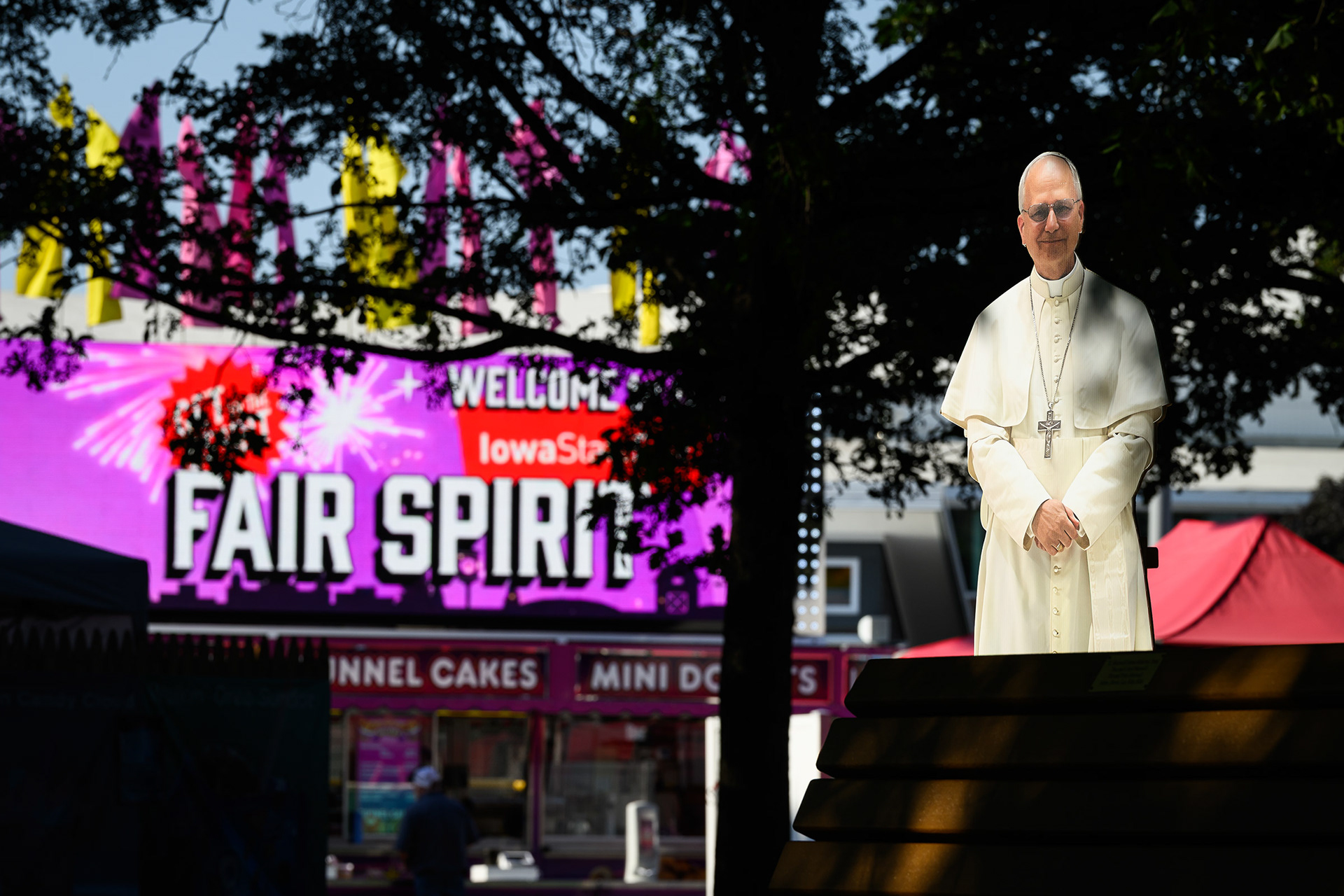
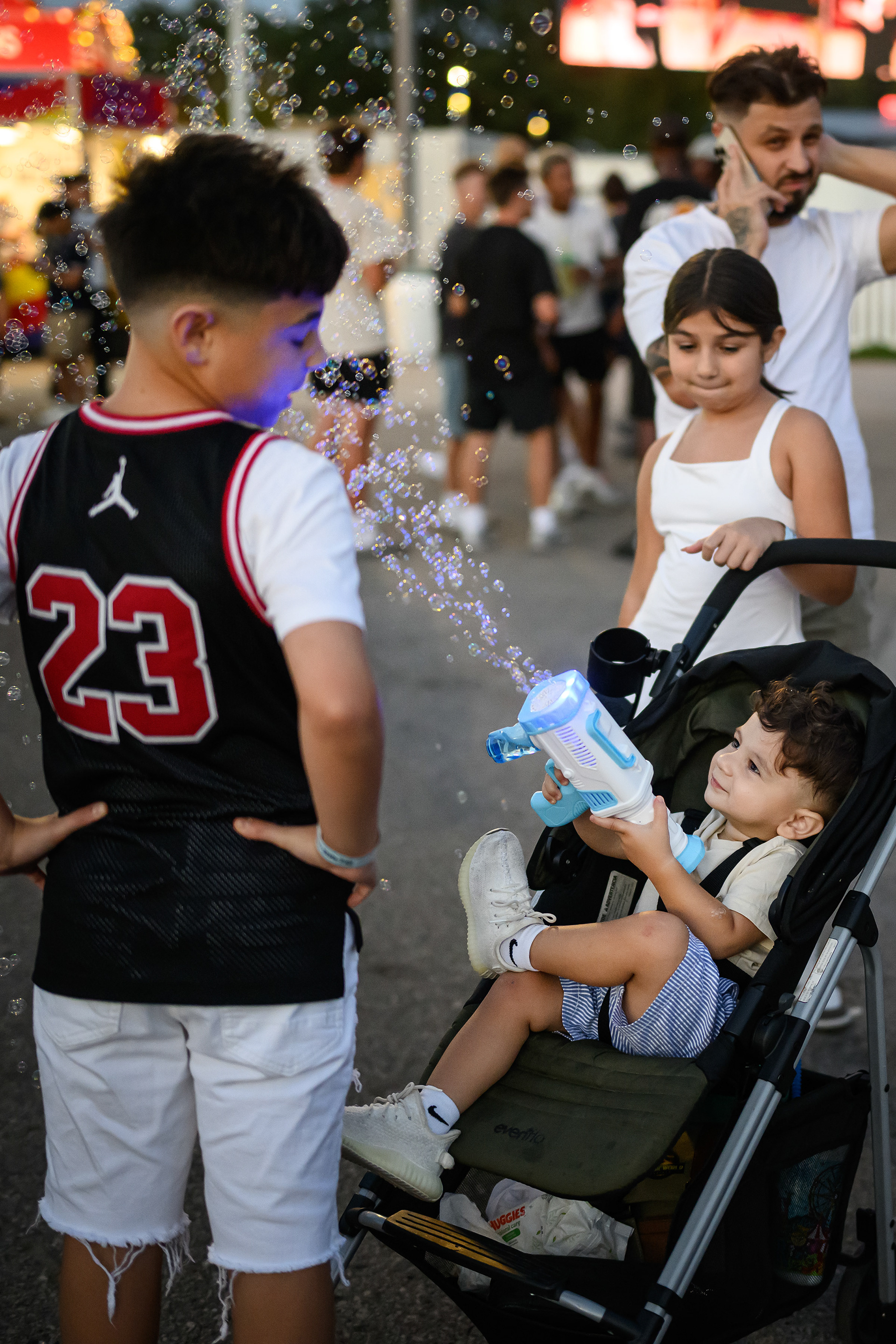
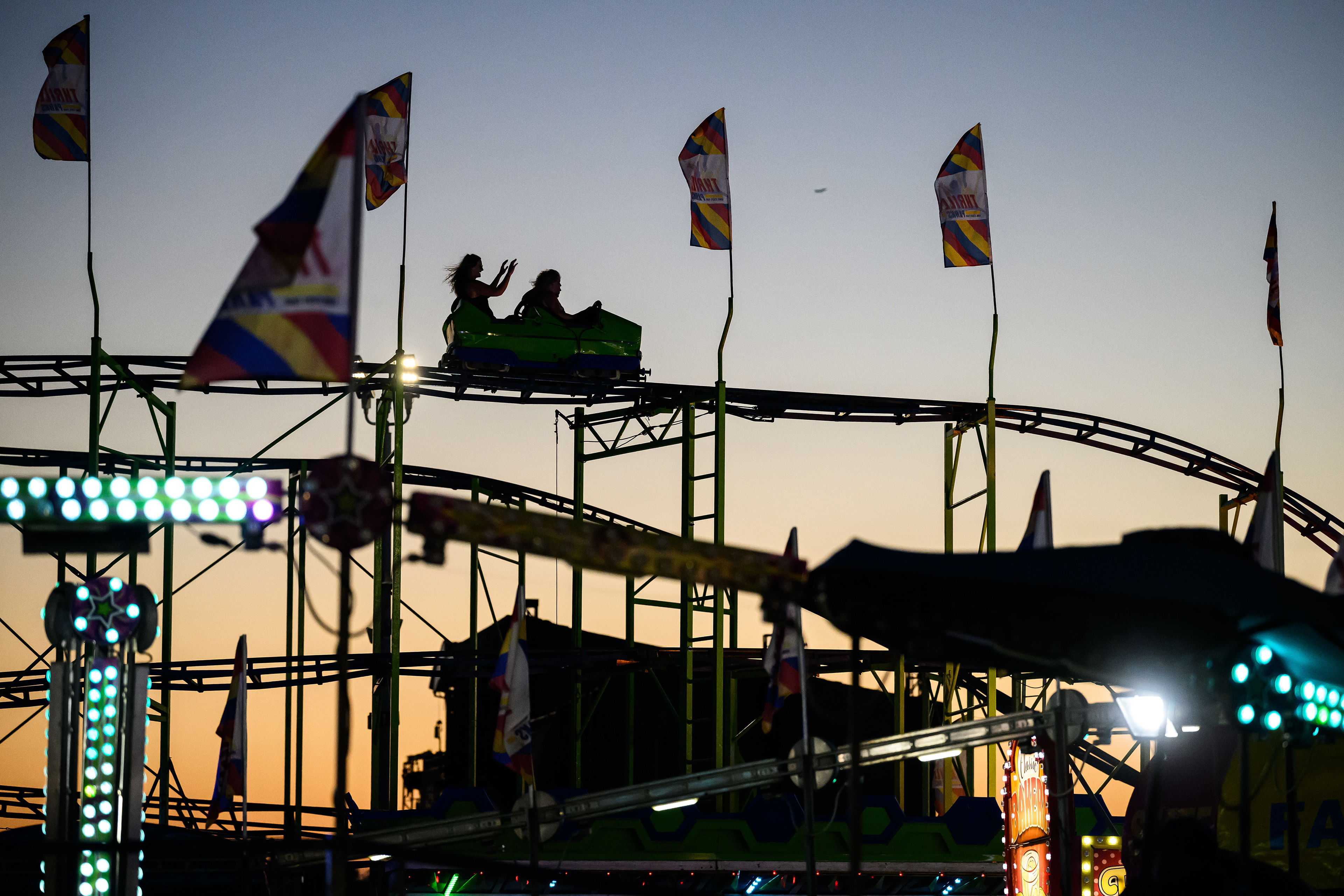
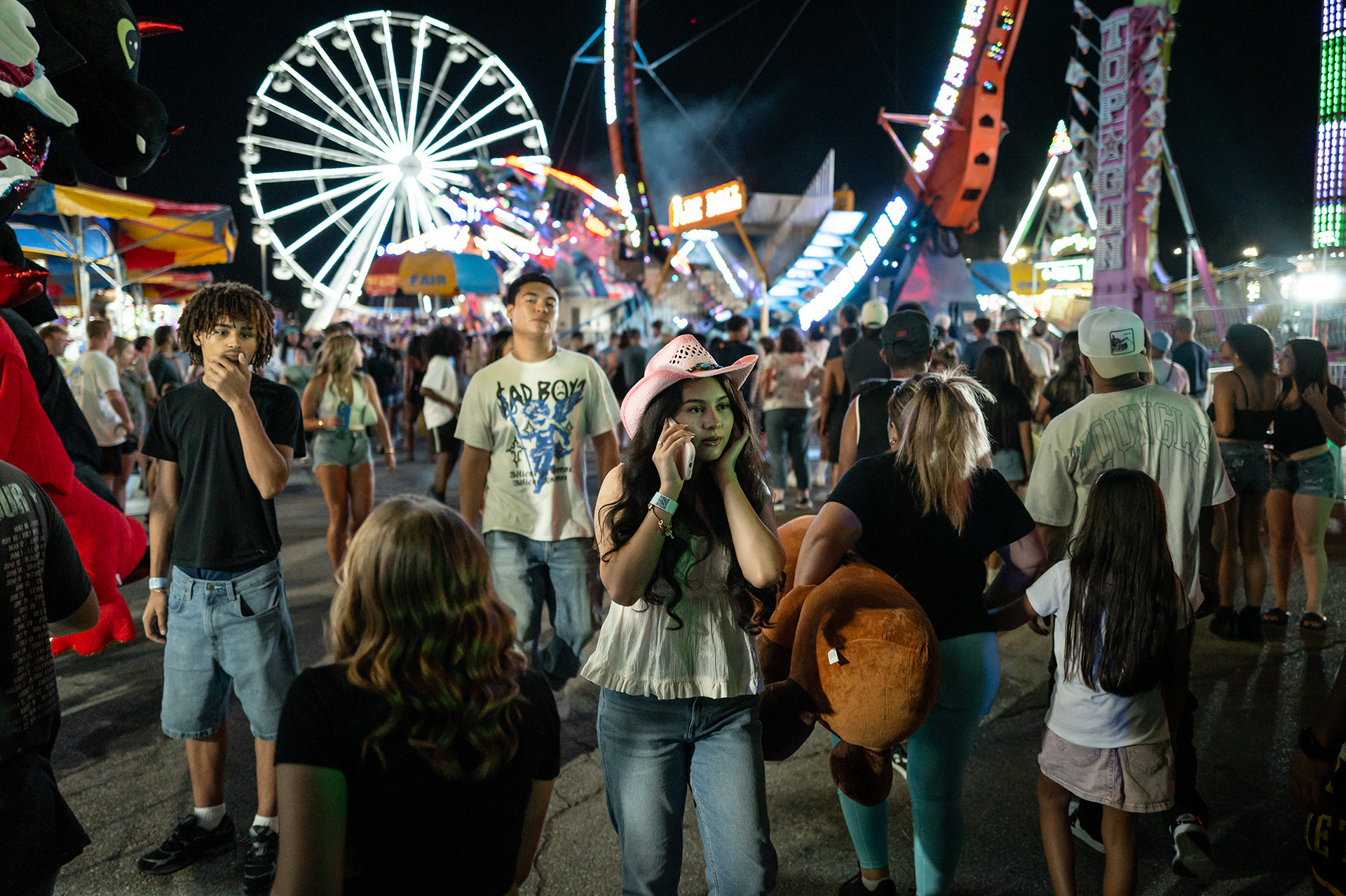
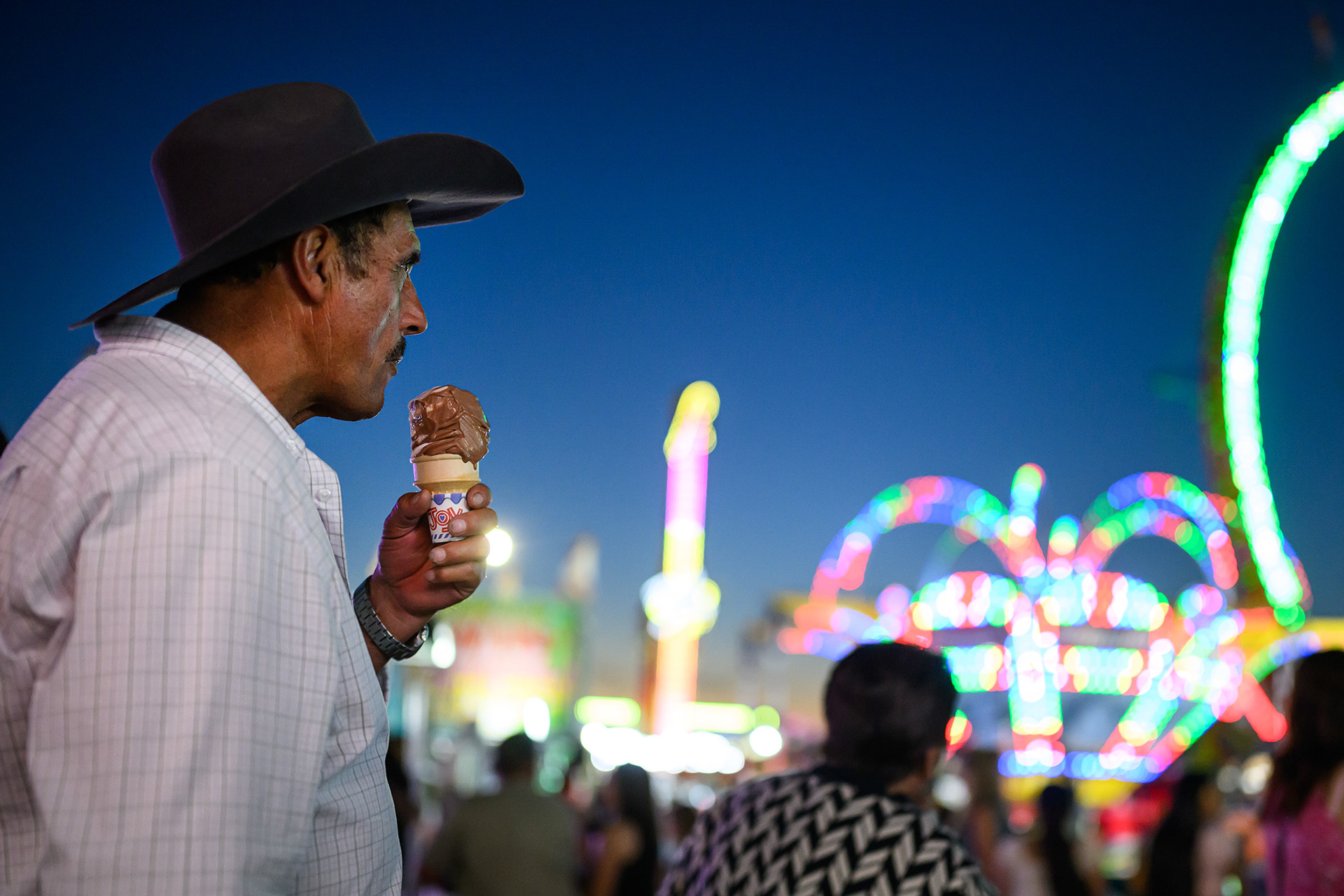
The fair had two different vibes depending on what time of the day you attended, with the mood changing up a gear as the sun went down.
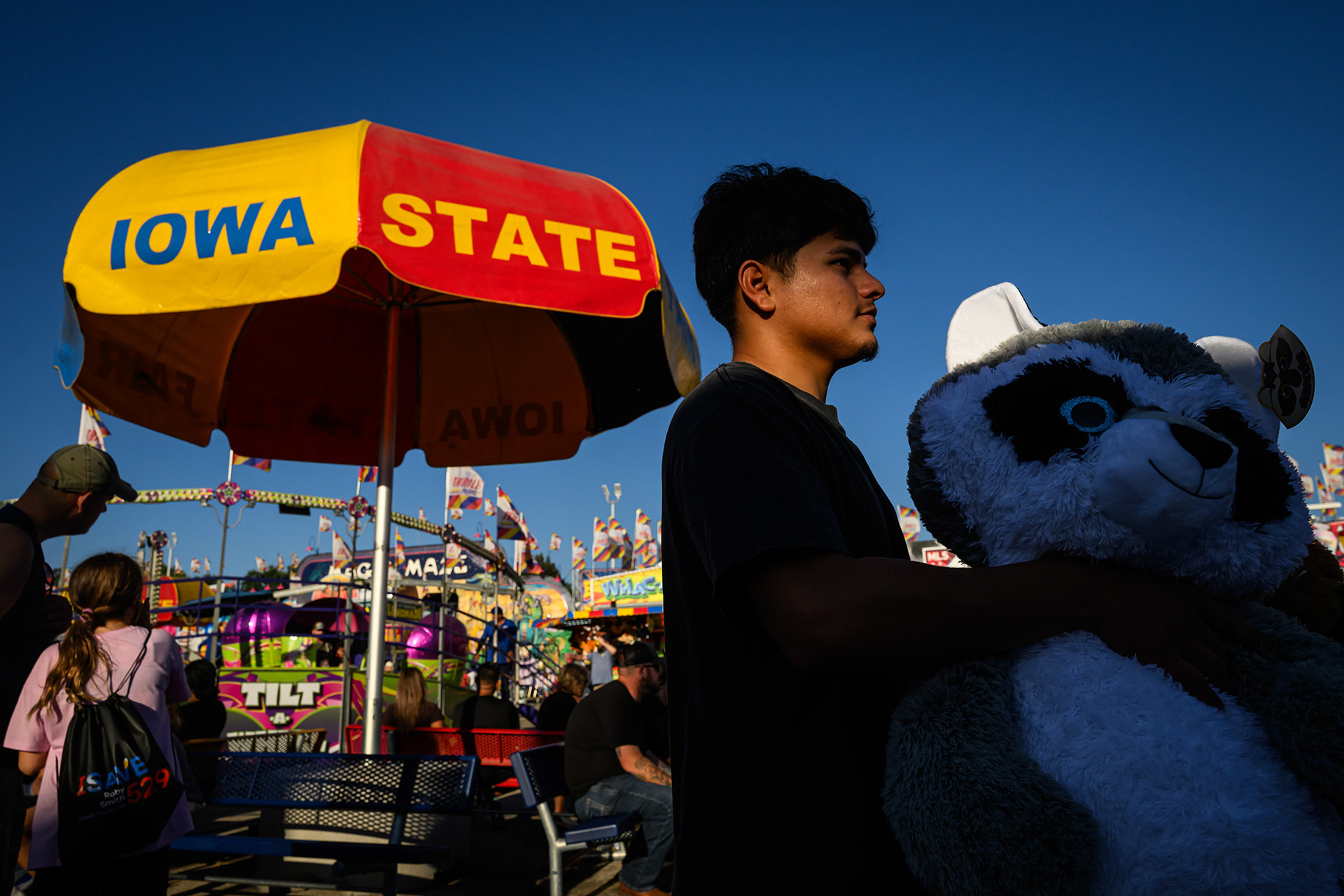
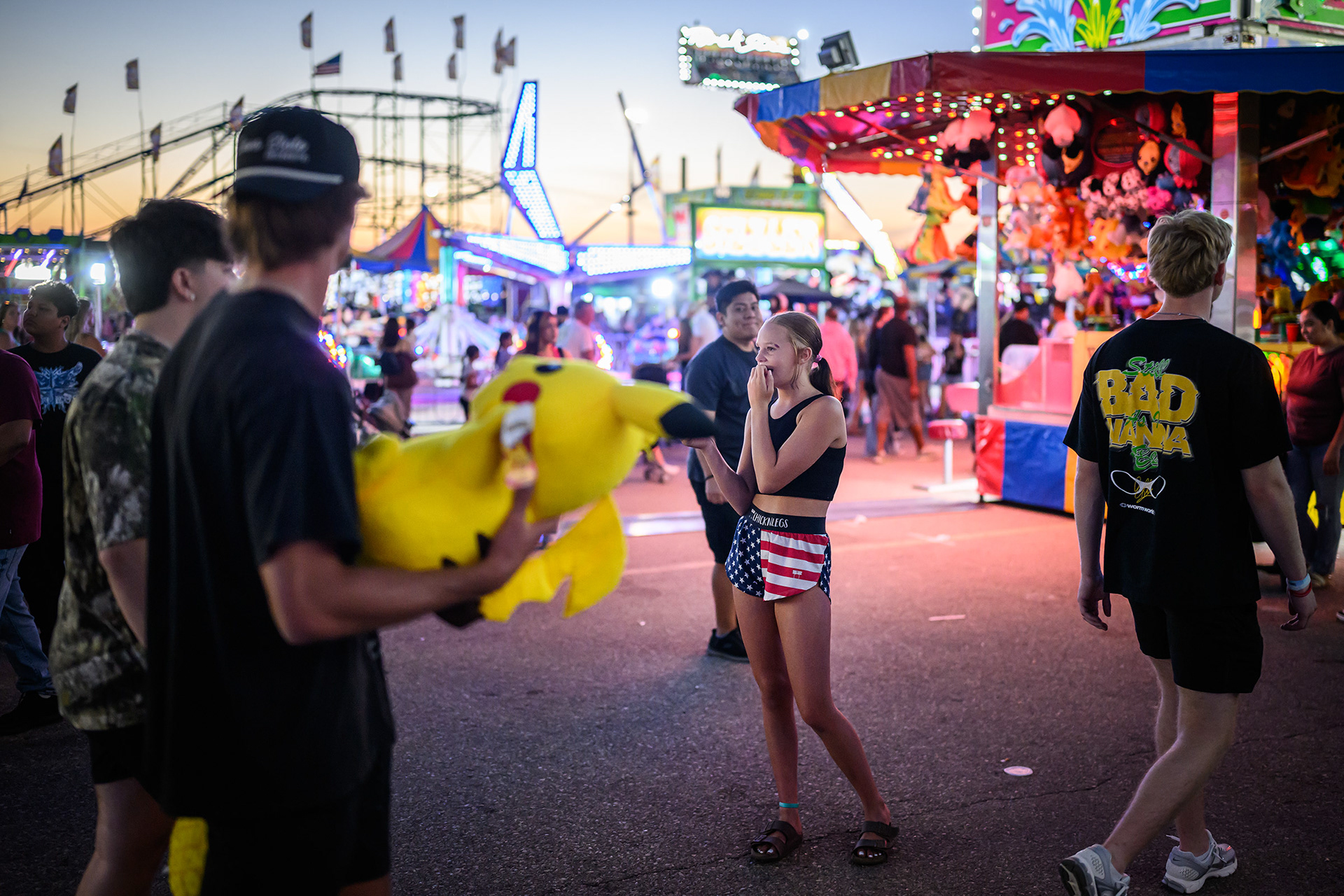
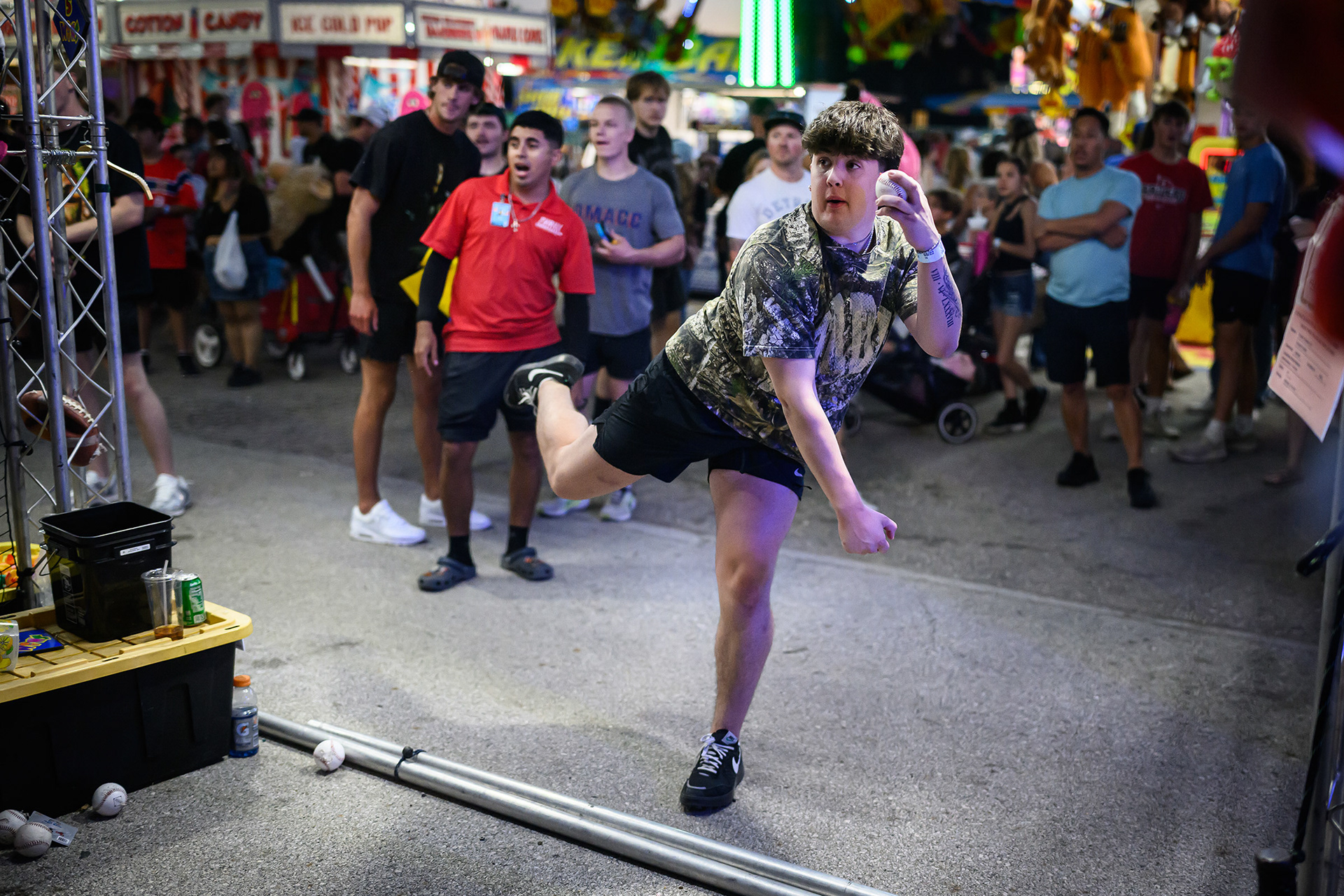
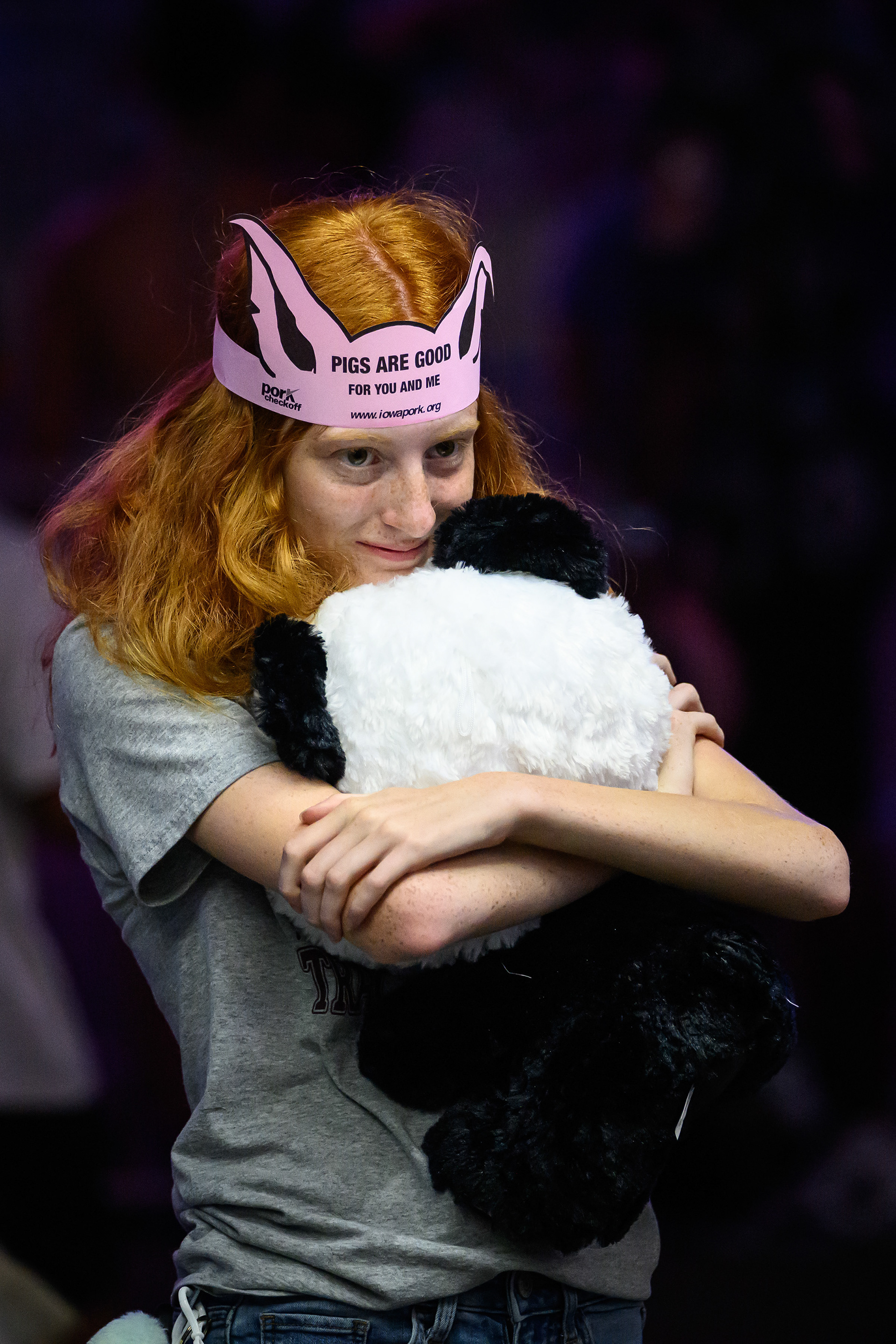
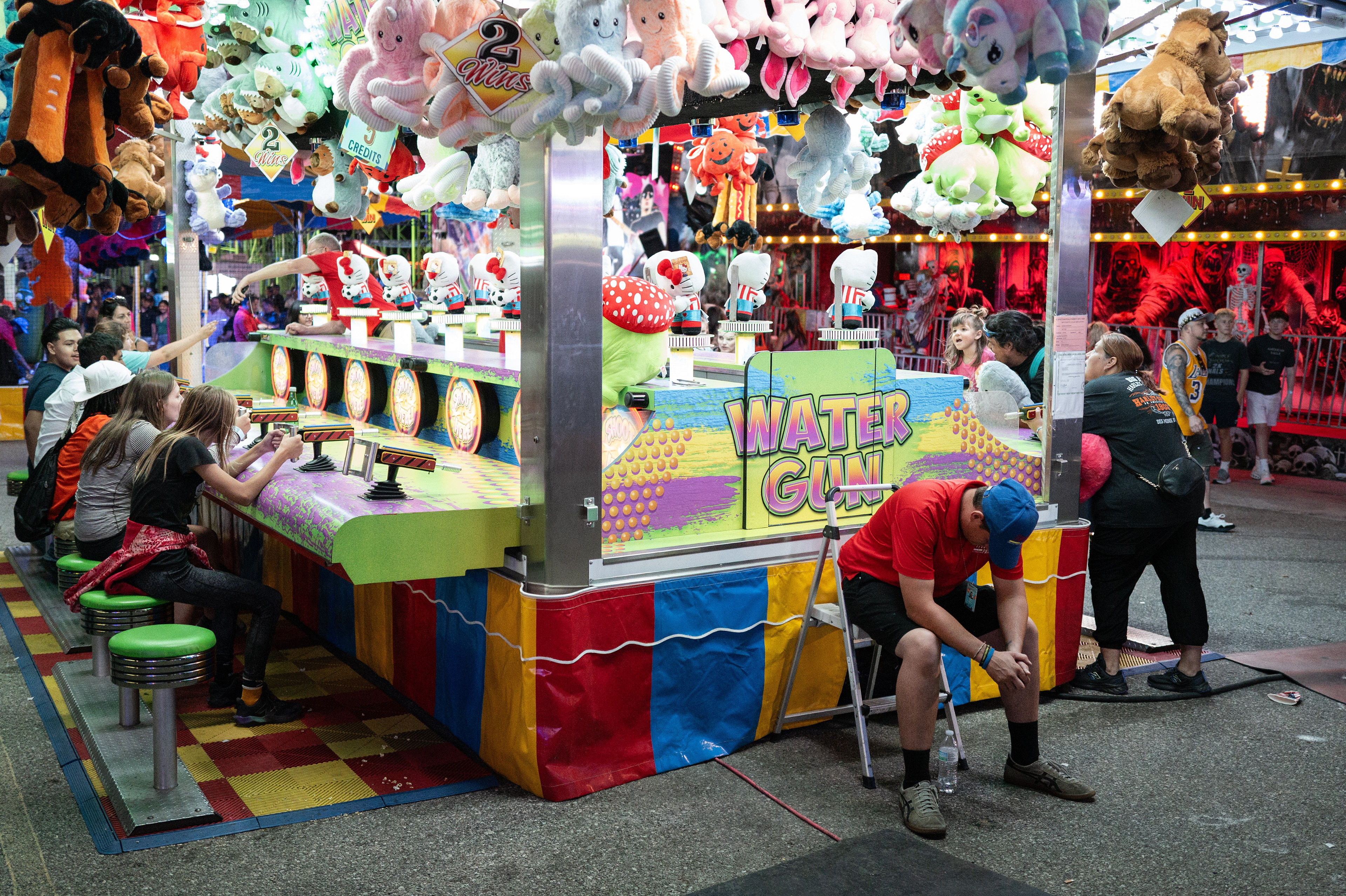
At night, the fairground areas came to life with traditional tests of strength, dexterity and nerve, with enormous stuffed animal prizes being carried on the shoulders of many couples as they explored the stalls.
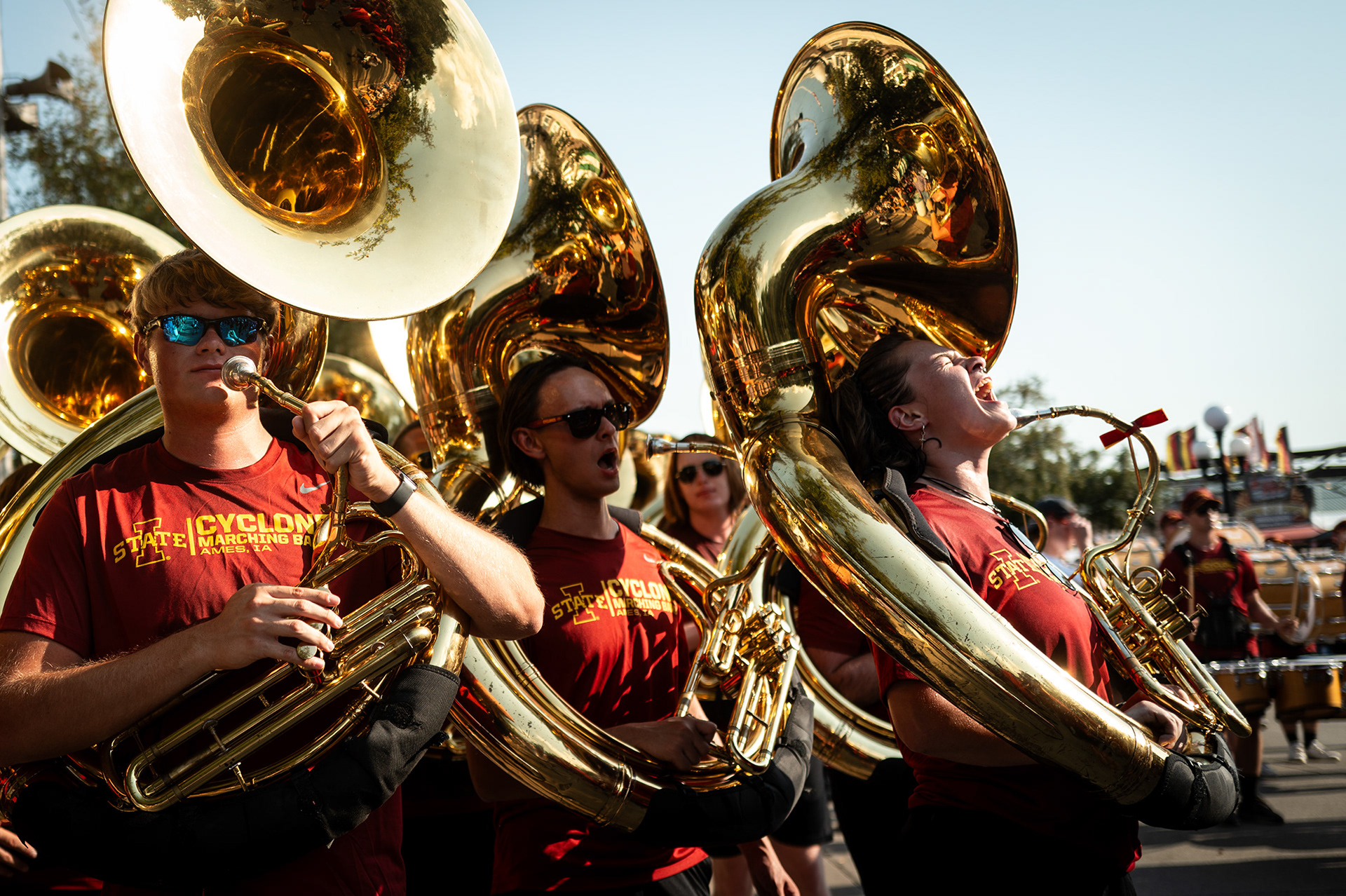
Each day ended with a different musical act playing in the arena with the genre of performer dictating the type of fair-goer that would attend.
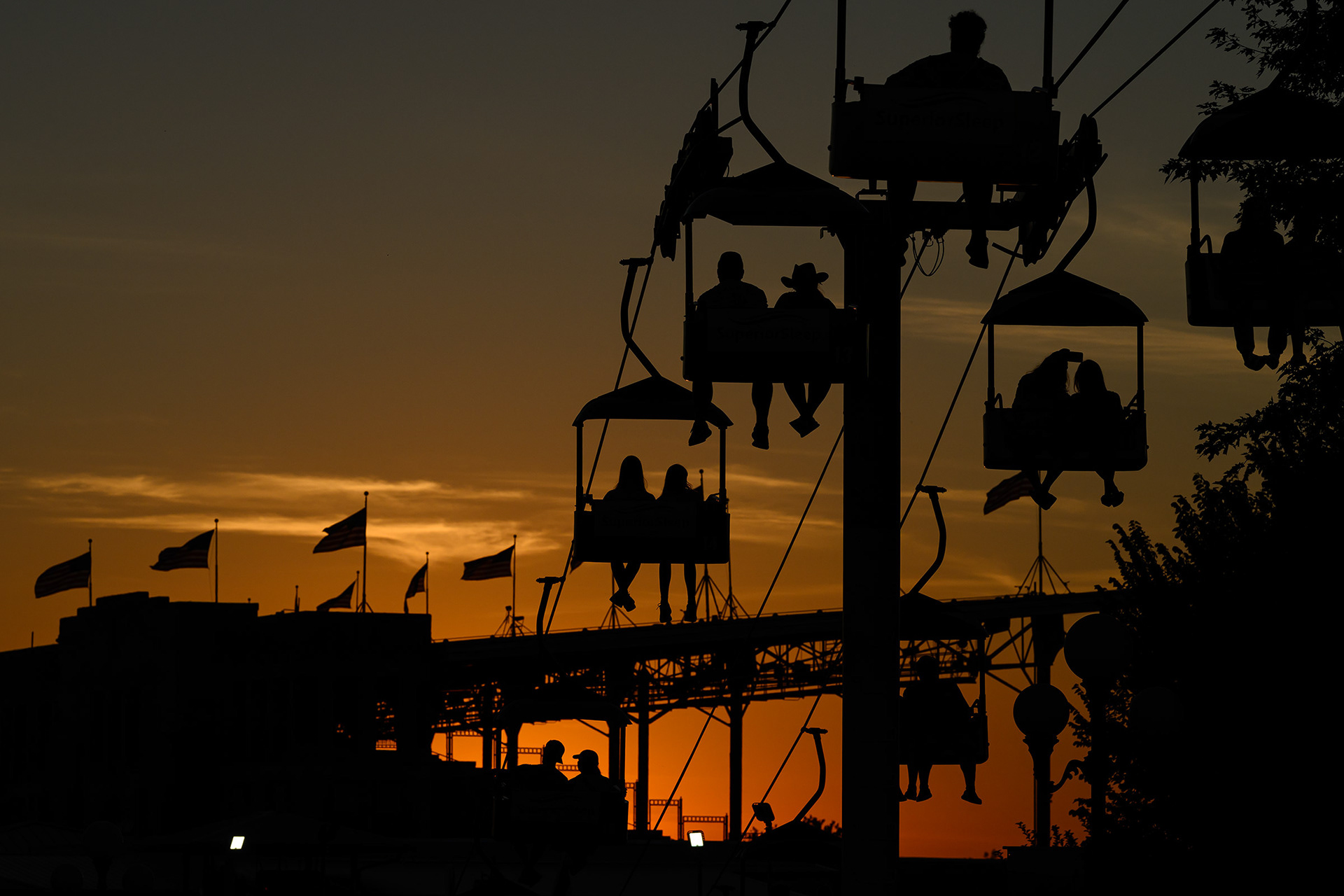
Running for eleven days, by the final night everyone was showing serious signs of fatigue. The prize animals were sold off, the last toys were won and the pack up began. What an experience.
Huge thanks to the team at Getty Images in both the UK and US for allowing me to travel into a different patch and see this amazing event through an outsider’s eyes.